Swedish defense powerhouse Saab is actively engaging Canada for the potential purchase and local production of its Gripen-E fighter jets, proposing that the initial deliveries could occur just as swiftly—if not quicker—than the long-awaited American F-35s. This endeavor coincides with Canada’s examination of its fighter jet strategy, which might involve a combination of U.S. and other foreign aircraft.
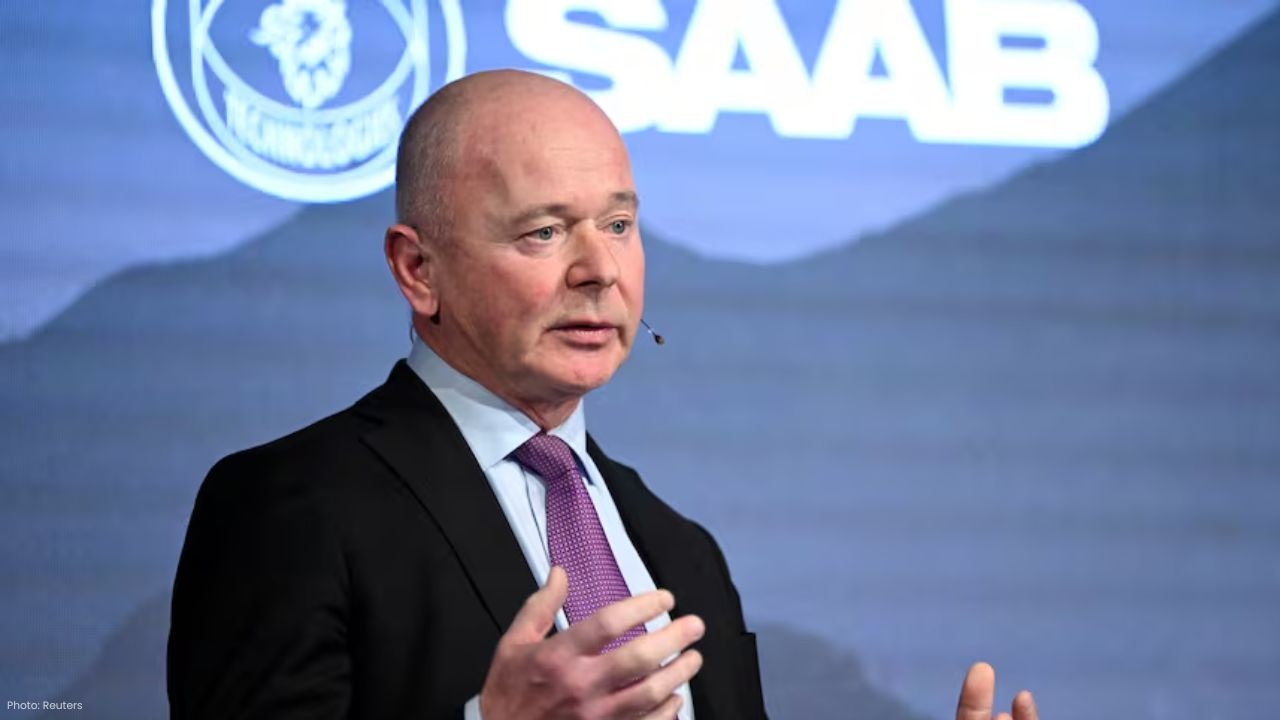
During remarks on Thursday, Saab's CEO Micael Johansson stated that Canada could start receiving Gripens within three years, provided it opts for a dual-sourcing strategy. He noted that the first domestically assembled Gripens could come off production lines in three to five years depending on the establishment of a Canadian assembly facility.
Parliamentary documents reveal that the first F-35 jets are expected at a U.S. Air Force base for training in late 2024, with Canadian deployment scheduled by 2028. Saab's timeline suggests that the Gripen could either match or even surpass this schedule.
Johansson pointed out that a Gripen assembly line in Canada could generate between 9,000 and 10,000 jobs within the initial three to five years. He underscored that this industrial collaboration would entail comprehensive technology and intellectual property transfers, contingent upon Canada agreeing to purchase the jets.
Despite attractive job numbers, Canadian political figures are taking a wait-and-see approach. Bloc Québécois leader Yves-François Blanchet urged accountability from companies regarding employment commitments, cautioning that initial estimates often don’t reflect eventual outcomes.
Montreal's Bombardier is anticipated to be a significant beneficiary if Saab sets up a Canadian assembly line, thanks to its existing partnership with Saab on the GlobalEye surveillance aircraft. This collaboration may pave the way for deeper industrial integration.
The campaign for Gripen jets in Canada has seen high-profile visits from Swedish royals and significant lobbying from Saab, aiming to position Canada as a key ally in defense procurement and industrial partnerships. The company is hopeful that these efforts will persuade Prime Minister Mark Carney’s Liberal government to broaden its fighter jet acquisitions beyond the U.S.-based F-35 program, which remains under review.
Saab has a history of establishing Gripen assembly lines internationally, with a facility in Gavião Peixoto, Brazil, employing about 200 personnel and successfully producing its first assembled jet. Johansson indicated that similar production capabilities could develop in Canada if an agreement is reached, offering a significant boost to local manufacturing.
Recently, Sweden’s defense minister Pal Jonson noted that a Canadian assembly line might not be contingent on a formal Canadian order, citing Sweden's existing production limitations and potential orders of 150 Gripen-Es from Ukraine. Nevertheless, Johansson firmly stated that establishing a facility and transferring technology without a confirmed Canadian order is counterproductive.
Canada is still assessing its options for upgrading its fighter aircraft fleet, potentially starting with an order of 16 F-35 jets before considering Gripens or alternative aircraft to complement the fleet. Saab's proposal highlights the intensifying competition within the defense procurement industry while emphasizing both industrial advantages and strategic alliances.