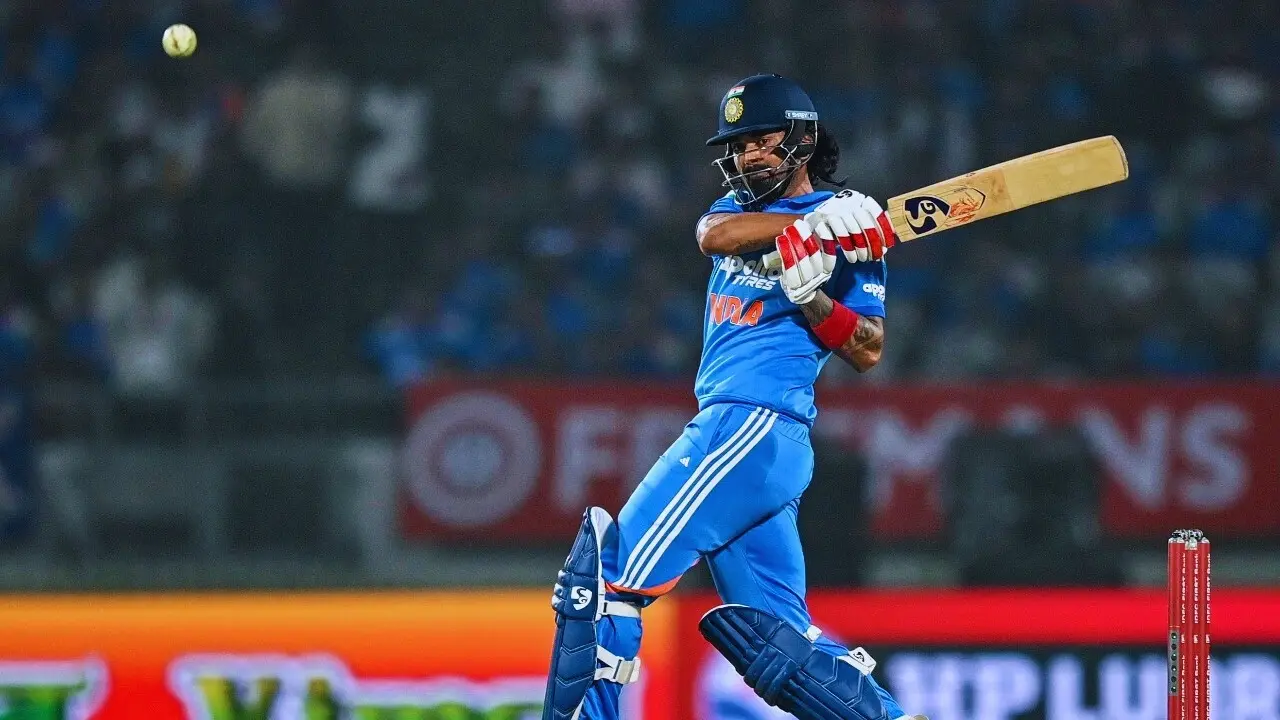
Match Context and Build-Up
In the first ODI between India and New Zealand, both teams faced a crucial test. India aimed to showcase their strength at home and maintain squad harmony, while New Zealand sought to challenge a formidable opponent in their own territory.
With an enthusiastic crowd in attendance, the match promised to be competitive. Although New Zealand put up a fight, India effectively controlled critical moments to forge an early lead in the series.
Toss, Pitch, and Conditions
India opted to bat first after winning the toss, confident in their batting line-up on a pitch that offered potential for scoring early on. The pitch provided even bounce and some assistance for seam bowlers initially, with a slight slowing expected in the middle overs.
The weather was stable throughout, with minimal dew ensuring a balanced contest between bat and ball.
India’s Batting: Building a Strong Platform
Careful Start, Effective Strategy
India began cautiously, focusing on preserving wickets during the powerplay. Instead of aggressive hitting, they prioritized timing and smart rotation of the strike, allowing them to keep the scoreboard ticking without taking unnecessary risks.
This stable start helped absorb the early pressure from disciplined New Zealand seamers.
Middle Order Grows the Runs
Once a foundation was established, India’s middle order asserted control. Batsmen focused on finding gaps rather than going aerial too soon, maintaining a steady run rate while keeping risks low.
Partnerships during this phase were vital, preventing New Zealand from building pressure and ensuring newcomers settled in quickly, aiding consistent scoring.
Powerful Finish: Total Elevated
In the closing stages of their innings, India made a significant push. With wickets in hand, they accelerated intelligently in the final ten overs, combining clean hitting with brisk running to elevate their score to a challenging total.
Contributions from the lower order emphasized the depth of India's batting, ensuring they set a total that would test New Zealand’s chase.
New Zealand’s Response: Promising Start but Rising Pressure
Strong Intent from Openers
New Zealand began their innings confidently, demonstrating a clear intent against both pace and spin bowling. The openers struck early boundaries, keeping the required run rate manageable and shifting momentum briefly in their favor.
Critical Middle Overs Shift the Game
The momentum shifted decisively during the middle overs. India's bowlers tightened their line and varied their pace effectively, supported by aggressive field setups. This pressure resulted in regular wickets, disrupting New Zealand's flow.
As partnerships failed to flourish, the asking rate climbed, forcing batsmen to take higher risks.
Lower Order Struggles to Close the Gap
Despite some resistance from the tail, New Zealand couldn’t regain composure. India’s bowlers remained calm under pressure, executing their plans well to wrap up the innings efficiently.
Ultimately, New Zealand was bowled out short of the target, conceding the first ODI to the hosts.
Bowling Analysis: Focus on Discipline
India's bowling showcased discipline and adaptability. Seam bowlers utilized the new ball wisely, while spinners controlled the middle overs with a mix of pace and flight. This collaborative effort kept New Zealand from settling into a rhythm.
On the other hand, New Zealand’s bowlers began well but fell short of consistency in the later stages of India’s innings, allowing crucial runs through missed lengths.
Fielding: A Crucial Factor
Fielding proved a quiet yet impactful difference. India excelled in saving runs and converting chances, showcasing high intensity throughout the match, complemented by strong communication and preparation.
New Zealand remained tidy but faced critical lapses that were detrimental in a close match.
Key Takeaways from the Opening ODI
India's Squad Depth Highlighted
India’s performance revealed the strength of their squad, with multiple contributors across the board. This balance minimizes reliance on singular performances and looks promising for upcoming matches.
New Zealand Must Seek Consistency
For New Zealand, the match underscored the importance of converting bright starts into substantial partnerships. Nailing down middle-order stability and execution under pressure will be essential in future games.
Looking Ahead: Series Implications Post-First Match
With a 1–0 lead, India heads into the next ODI with momentum. They are expected to retain a similar lineup while focusing on execution. New Zealand may revise strategies, particularly during the middle overs, to remain competitive in the series.
The rivalry is palpable, and the following matches promise to deliver thrilling encounters.
Conclusion
The first ODI between India and New Zealand was a display of strategic cricket and careful planning. India’s dominance in crucial phases with both bat and ball led to their well-deserved victory, offering them a significant lead in the series.
As the series unfolds, tighter contests are anticipated, with both teams looking to refine their tactics and assert their dominance.
Disclaimer:
This article serves informational purposes only, based on match proceedings and overall analysis. It does not represent official statements from any teams or boards.