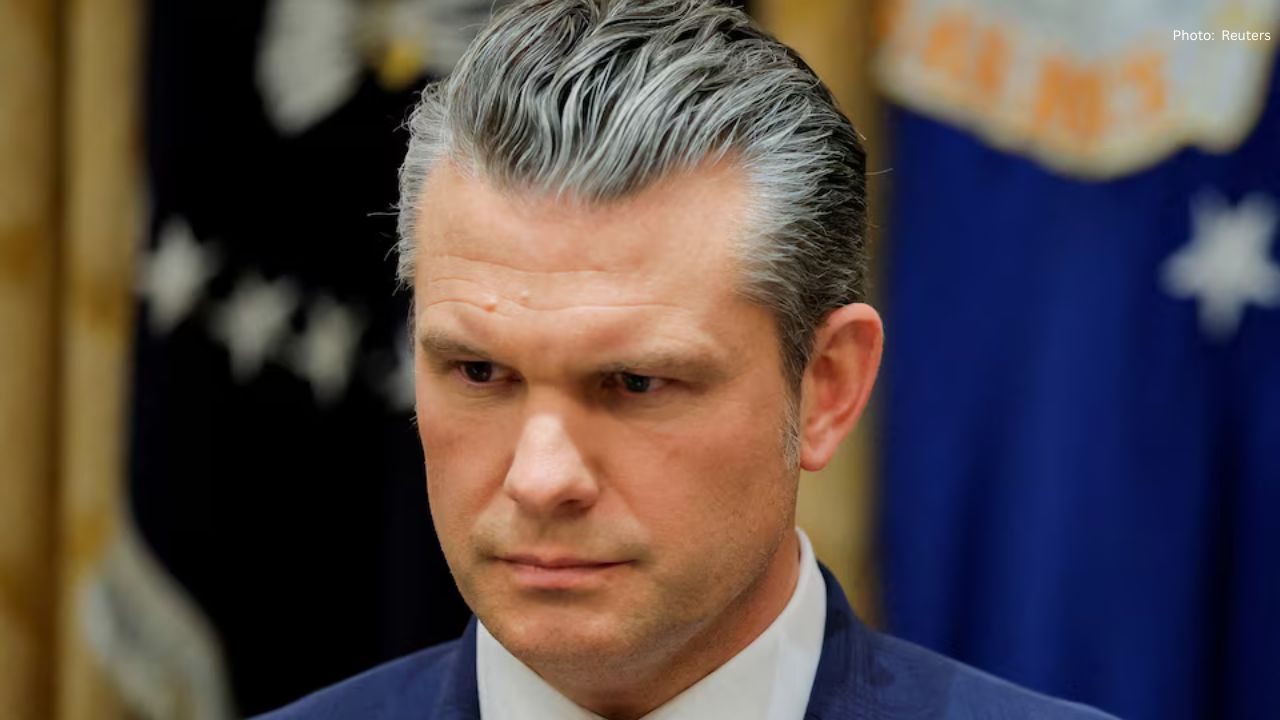
A Pentagon investigation has raised alarms regarding U.S. Defense Secretary Pete Hegseth's management of sensitive military data. Sources familiar with the findings reveal that Hegseth used the messaging app Signal on his personal device to communicate details about planned U.S. strikes in Yemen, creating risks of interception that could jeopardize U.S. personnel and operations.
The report, authored by the independent Inspector General of the Pentagon, has not yet been publicly released but is anticipated soon. It does not clarify whether the conveyed messages were classified, as Hegseth possesses the authority to classify or declassify information at his discretion.
Nonetheless, the Pentagon stated the inquiry cleared Hegseth of wrongdoing. He echoed this sentiment on social media, asserting no classified information was disclosed and that the issue was resolved. The narrative is more complex, especially amid rising scrutiny over other military actions he has supervised, including drone strikes on suspected drug trafficking vessels in the Caribbean.
Numerous Congressional members, particularly from the Democratic party, expressed outrage regarding the findings. Representative Adam Smith, the leading Democrat on the House Armed Services Committee, branded the report as “a scathing indictment of an inadequate defense secretary.” He asserted that Hegseth displayed poor judgment and a failure to grasp the responsibilities that protect U.S. service members.
The controversy also revolves around a Signal chat group utilized by top national security officials from President Donald Trump's administration. Hegseth reportedly shared plans for U.S. strikes against Houthi fighters in Yemen in this chat group on March 15. The group inadvertently included Jeffrey Goldberg, editor-in-chief of The Atlantic, who later revealed the thread and published screenshots following accusations from Trump officials that he distorted the story.
The screenshots showed Hegseth discussing plans to eliminate a Houthi militant leader just two hours before the covert operation. The Inspector General's report indicates that the information he received from military sources was classified at that time. If intercepted, it might have allowed adversaries to prepare or relocate, thus heightening risks for U.S. forces.
Hegseth has consistently denied sharing combat plans via Signal. Although he declined an interview with investigators, he provided a written statement asserting his right to declassify information as deemed necessary and claimed he only distributed details he believed were secure. He also alleged that political adversaries instigated the investigation, notwithstanding that it was requested by both Republican and Democratic lawmakers.
Many U.S. officials, including former defense personnel, expressed surprise at Hegseth’s justification. They remarked that timing and targeting specifics prior to a military action constitute some of the most sensitive national security information. If Houthi leaders had been aware of an impending strike, they might have evaded or relocated to populated areas, complicating U.S. military operations and potentially risking civilian lives.
Nevertheless, the report indicated that the chat did not disclose names of specific targets or precise locations, nor did it appear to contain information that could directly harm U.S. forces.
Senator Mark Warner, the senior Democrat on the Senate Intelligence Committee, noted that the report illustrated Hegseth's recurrent use of Signal for official matters. Warner cautioned that this was not an isolated incident but indicative of a broader trend of poor judgment.
The Inspector General pointed out that Hegseth provided only a limited set of his Signal messages. Investigators had to rely on the screenshots made public by The Atlantic, which restricted their understanding of the events.
As the report is set to be unveiled, mounting queries emerge regarding Hegseth’s leadership and decision-making capabilities. This situation amplifies the pressure during a climate of heated discussions about military actions, national security, and political accountability. The potential consequences of the findings remain uncertain, but they have instigated a larger national dialogue about the handling of sensitive information among top officials and the perils associated with modern communication technologies.