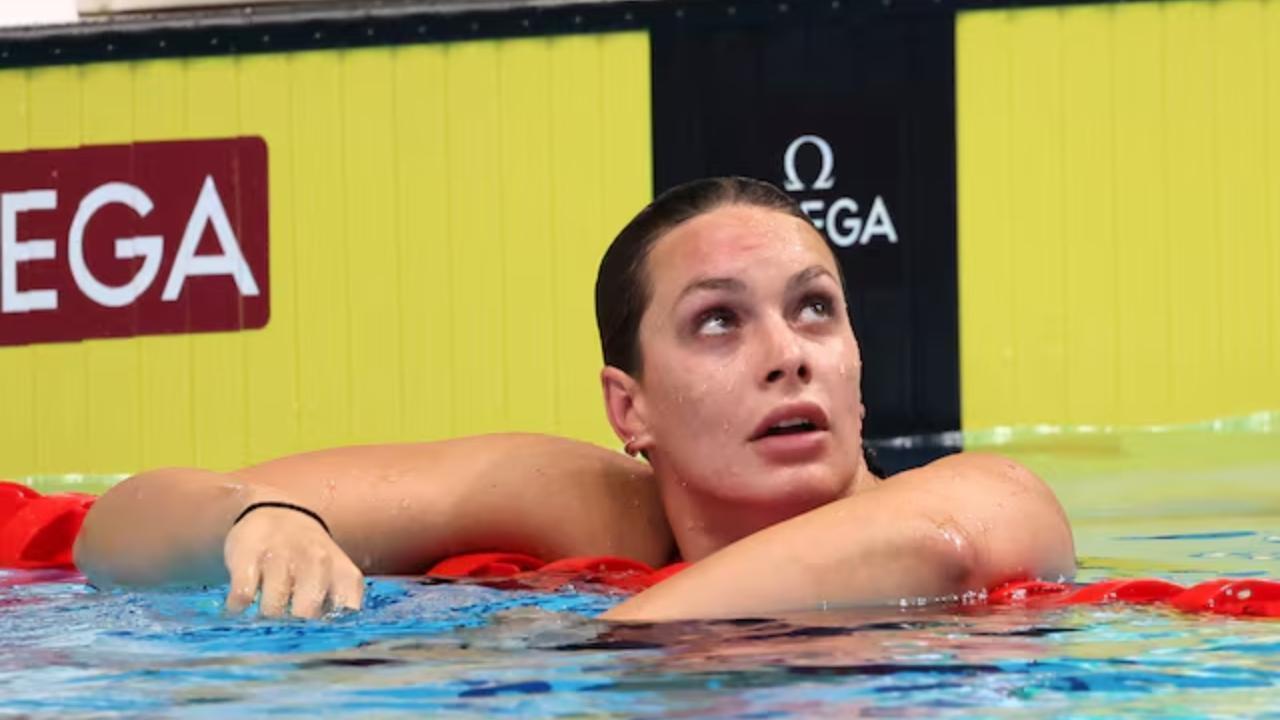
Photo:Reuters
Olympic Heroine Steps Aside Amid Reporting Probe
Canada’s most decorated female Olympian, Penny Oleksiak, has withdrawn from the upcoming World Aquatics Championships after being notified of a preliminary anti-doping code breach related solely to her athlete whereabouts report. This unexpected development shocks fans but underscores the strict compliance expected of elite athletes.
What Triggered the Withdrawal
Oleksiak faced a so-called whereabouts "case"—a compliance check to confirm she accurately updated her daily location for random drug testing. She clarified that this matter does not involve the use of any banned substances. Rather, it centers on whether she failed to properly log or update her whereabouts information with World Aquatics.
Athlete Statement and Federation Support
In a public statement, Oleksiak emphasized her unwavering commitment to clean sport. She acknowledged the issue was procedural and unrelated to performance-enhancing substances, expressing regret for any confusion it caused. Out of respect for teammates and adherence to competitive fairness, she confirmed withdrawing from the event set to begin late July.
Swimming Canada released an official endorsement of her decision, praising Oleksiak as a clean athlete who made an unintentional administrative error. The federation stressed that even though no sanctions have been issued, her withdrawal is a precautionary measure to shield the team from potential interference or reputational harm.
Consequences for the Canadian Team
Oleksiak’s absence will be felt deeply in the pool, especially in relay events where her elite speed and Olympic experience have made her a linchpin. Her withdrawal could force team recalculations and open opportunities for emerging swimmers to step into her role.
Moreover, this incident puts a spotlight on broader anti-doping regulations. While often overshadowed by drug-related cases, procedural breaches—including missed location reports or filing delays—can carry serious consequences under the World Anti-Doping Code.
The Whereabouts Rule: A Double‑Edged Sword
The whereabouts rule demands that elite athletes consistently report their daily location windows to enable unannounced doping tests. Failure to comply—even for non-performance reasons like travel oversights, scheduling errors, or simple forgetfulness—can result in serious infractions.
Critics argue the system is invasive and demanding. However, supporters say it is a critical deterrent ensuring no athlete can evade testing. Provincial authorities, sports bodies, and athletes continue efforts to refine the rules while respecting privacy and fairness.
Potential Outcomes and Process Ahead
As of now, Oleksiak has not been formally sanctioned. The case remains in preliminary review, and no hearings have been scheduled. If the investigation finds a “filing failure” or “missed test” occurred, her result may stand unless an anti-doping tribunal issues a ruling. If cleared, she may be eligible for future competitions.
The situation also serves as a cautionary tale for athletes and support staff to double-check compliance processes, especially during major training shifts or international relocations.
A Legacy Beyond Pools
Penny Oleksiak became a national icon after her record-setting performances at the 2016 Rio Olympics, capturing multiple medals and becoming a symbol of Canadian excellence. Her earlier emergence as a teenage star had inspired many, and her resilience has been celebrated across sports.
While this administrative stumble is a setback, it does not define her legacy. Her swift transparency and accountability are drawing praise, reinforcing the values of integrity and responsibility in high performance sport.
Final Thoughts
Oleksiak’s withdrawal underscores the complex reality of modern elite sport, where procedural compliance is as vital as physical preparation. While disappointing for fans and teammates, the decision demonstrates respect for competition fairness and clean sport principles.
With the investigation ongoing, all eyes will be on how Swimming Canada supports its athletes and how anti-doping authorities apply their rules. For Oleksiak, the challenge now lies in maintaining her reputation and focusing on future competitions—and potentially making a comeback stronger than ever.