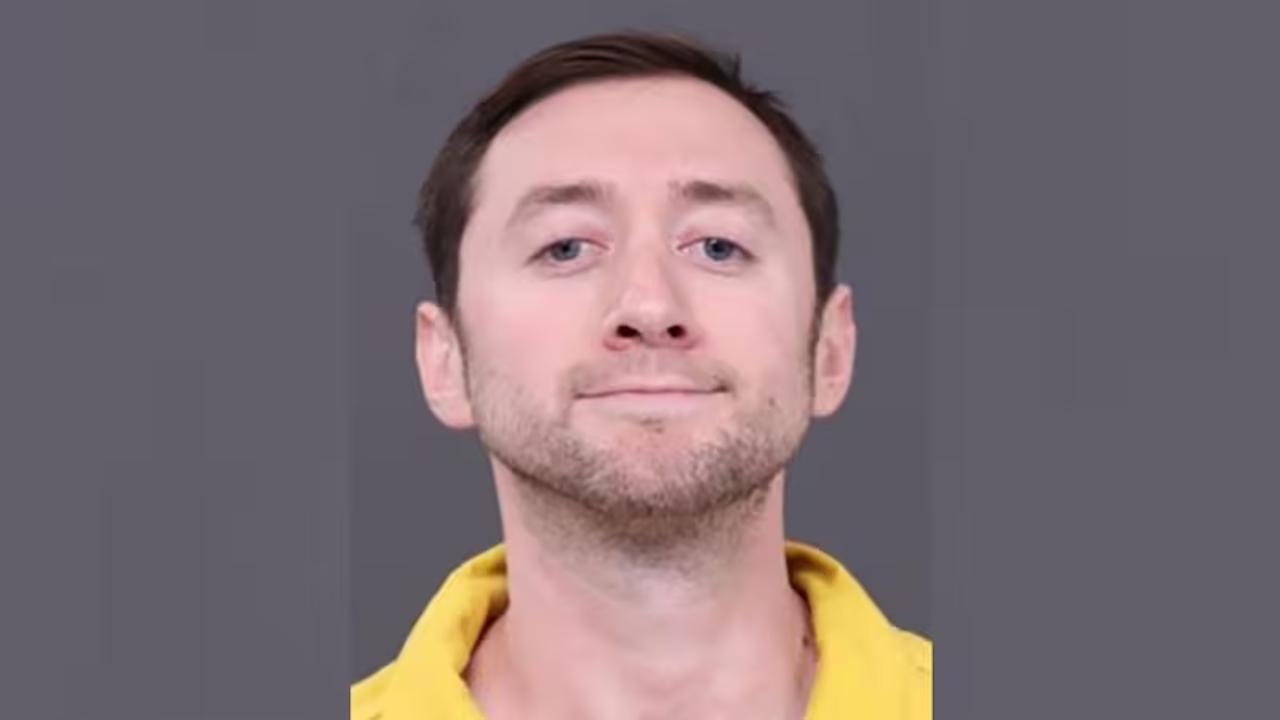
Photo:AP
A Shocking Crime Rocks a Quiet Pennsylvania Suburb
On January 30, 2024, a horrific incident shook the tranquil streets of Levittown, a suburban community near Philadelphia. Authorities discovered the home of Michael and Denice Mohn engulfed in chaos and grief. The elder Mohn, a 68-year-old engineer employed by the U.S. Army Corps of Engineers, lay mortally wounded and decapitated in the family’s downstairs bathroom. Not far away, kitchen knives and a machete lay bloodied in a bathtub. His severed head was found wrapped in plastic inside a cooking pot. The magnitude of the violence stunned neighbors and law enforcement alike.
Discovery and Initial Response
Minutes after 7 pm, Denice Mohn returned home from work to discover the scene. She had just said goodbye to Michael earlier that day after sharing lunch with him and their 33-year-old son Justin. What she found later was a nightmare. She screamed in horror, stumbled out of the house, and called 911. A neighbor, upon hearing her cries, described the scene to dispatchers as “something straight out of a horror film” and confirmed the victim had no head. Emergency crews arrived quickly, but Michael was pronounced dead on site.
A Victim and a Son in Crisis
Michael Mohn had served as a civil and geoenvironmental engineer with the Army Corps for two decades, earning a reputation as a loyal and hardworking public servant. Denice, distraught and grieving, described her husband as a supportive partner and father. She shared that Michael and Justin were helping her son financially while he sought new employment. She noted the family had shared lunch together earlier that day, with no indication of impending violence.
Police Investigation and Shocking Evidence
Law enforcement found the murder weapons—a kitchen knife and a machete—still at the scene, smothered in blood. A 9mm handgun, purchased by Justin just a day earlier, was recovered after his arrest. Michael had been shot in the head before being decapitated. The severed head discovered in a pot taller than most English gardens painted a gruesome portrait of the violence. Prosecutors labeled the murder coldly calculated and deliberate.
The Disturbing Video and Anti-Government Rant
Hours after the killing, Justin posted a 14-minute video titled “Mohn’s Militia—Call to Arms for American Patriots” on YouTube. In it, he brandished his father’s severed head, identified him by name, and claimed federal authorities had betrayed America. He urged a nationwide insurrection, especially against federal employees, law enforcement, and court judges. The video remained online for several hours before being removed. Investigators later seized a USB drive during his arrest containing photos of federal buildings and instructions for building explosives.
Flight and Arrest at National Guard Base
After posting the video, Justin fled in his father’s Toyota Corolla and drove roughly 100 miles to Fort Indiantown Gap, the state's National Guard training center. He managed to scale a 20-foot fence and entered the base armed. Surveillance and cell-phone tracking pinpointed his location. Upon arrest, police found him with a loaded handgun and the aforementioned USB. He claimed his goal was to persuade National Guard troops to support his anti-government cause .
Courtroom Confession and “Citizen’s Arrest” Defense
At his bench trial, Justin testified that he intended to perform a citizen’s arrest on his father for treasonous behavior, accusing Michael of false statements and betraying the country. He claimed that the shooting occurred after Michael, a trained martial artist, allegedly resisted arrest and moved toward his weapon. When questioned why he proceeded with decapitation, Justin said he wanted the gruesome evidence to go viral, believing it would reduce broader violence by inciting fear .
Justin admitted that beheading his father was Plan B—labeled in notes found in his notebook under headings like “Boom” and “Slice.” He insisted he felt justified in using deadly force under Pennsylvania’s citizen arrest statutes. He believed his father was a traitor, a sentiment fueled by his view that Michael’s federal employment meant betrayal of the American people.
Legal Charges and Potential Penalties
Prosecutors have charged Justin Mohn with first-degree murder, abuse of a corpse, possession of an instrument of crime, and terrorism-related offenses. Because the murder was intentional and politically motivated, they are preparing to seek a life sentence. His defense has not attempted to plead insanity or incompetence; instead, they are challenging the legality and justification of his “citizen’s arrest” defense.
Evidence of Extremism and Radicalization
Investigators found disturbing evidence that Justin had long held anti-government views. He had posted extremist content online, advocated for violent revolution, campaigned to overthrow government, and even sent letters to Russia’s ambassador to seek asylum, claiming he was the czar of Russia. A competency hearing ruled he was mentally fit to stand trial.
Community Shock and Law Enforcement Warnings
Levittown residents described themselves as stunned and saddened. Many remarked on the normalcy of family life and the absence of prior warning signs. Police departments had received warnings from Justin’s former employers about concerning online rhetoric but had no record of overt threats. The Bucks County District Attorney’s Office characterized the killing as a chilling act of terror disguised as domestic violence .
Victim’s Legacy and Community Remembrance
Michael Mohn is being remembered as a devoted father, loyal civil servant, and supportive community member. Family friends, neighbors, and colleagues have shared fond memories of his generosity and decency. Plans for memorial services, with participation from both family and the broader Levittown community, are being arranged.
Legal Precedents and Citizen’s Arrest Law
The defense’s invocation of Pennsylvania’s citizen arrest statute is unusual in cases of this severity. Traditionally, such laws have been used in property disputes or immediate crimes in progress. Prosecutors will argue the statute does not justify premeditated murder and that Justin’s extremist motives override any legal defense. The trial will examine whether the statute can ever be invoked to justify lethal force in non-violent domestic settings.
National and Media Implications
The case has exploded across national media due to its gruesome nature and extremist undertones. Ethical questions are being raised about social media platforms' role in allowing violent content to remain online. Law enforcement officials and policy analysts are also debating the emergence of domestic radicalization and conspiratorial violence modeled on extremist ideologies.
Psychological Dimensions of the Murder
Psychologists point to Justin’s justification of violence and decapitation as a symptom of radicalization, want for public attention, and conspiracy-driven paranoia. His choice to film and distribute a brutal video parallels online extremist tactics, suggesting a desire to incite fear and mobilize support. Although he was declared mentally competent, his rhetoric and symbolic violence indicate deep ideological pathology.
Family Trauma and Support Services
The trauma has profoundly affected his mother, Denice, who witnessed the aftermath of the crime and testified emotionally in court. She has since begun attending counseling and trauma-support groups. Community mental health services have been mobilized to help neighbors and anyone affected by the violence and trial proceedings.
Legal and Ethical Questions on Media Coverage
Media outlets covering the case have faced a dilemma: how to responsibly report graphic crimes without sensationalizing. Judges have issued warnings to court attendees before the video is shown. Experts advise that consuming such imagery can result in retraumatization and public fascination with gore rather than justice.
Broader Lessons on Extremism and Domestic Safety
Criminal justice leaders have used the case to highlight the shifting patterns of domestic threats—where lone actors radicalize themselves online and target both public servants and private individuals. The incident has become a case study in extremist influence and the dangers of ideological isolation.
The Role of Social Media and Deplatforming
Justin’s video remained online for hours before removal. Whether this gave him the amplification he intended is unknown, but the incident has prompted renewed calls for platforms like YouTube to expedite technology and policy to intercept extremist content swiftly, especially live or graphic violence.
Court Timeline and What’s Next
The bench trial (no jury) is expected to span several weeks more. Prosecution will present forensic evidence, mental health testimony, and chilling recordings of the video. The defense will focus on the “citizen’s arrest” reasoning, mental stability, and intent. Sentencing, if found guilty, will follow Pennsylvania’s strict guidelines for first-degree murder and related terrorism statutes.
Conclusion
The Levittown case involving Justin Mohn’s shocking murder of his father is emblematic of contemporary dangers at the intersection of mental health, extremist ideology, and ideological violence. As the trial unfolds, society watches not just for justice, but for clarity on how to recognize warning signs and prevent future tragedies. At its core, this horrific crime is a reminder of how individual choices can ripple outward, affecting families, neighborhoods, and national discourse on extremism and mental wellness.