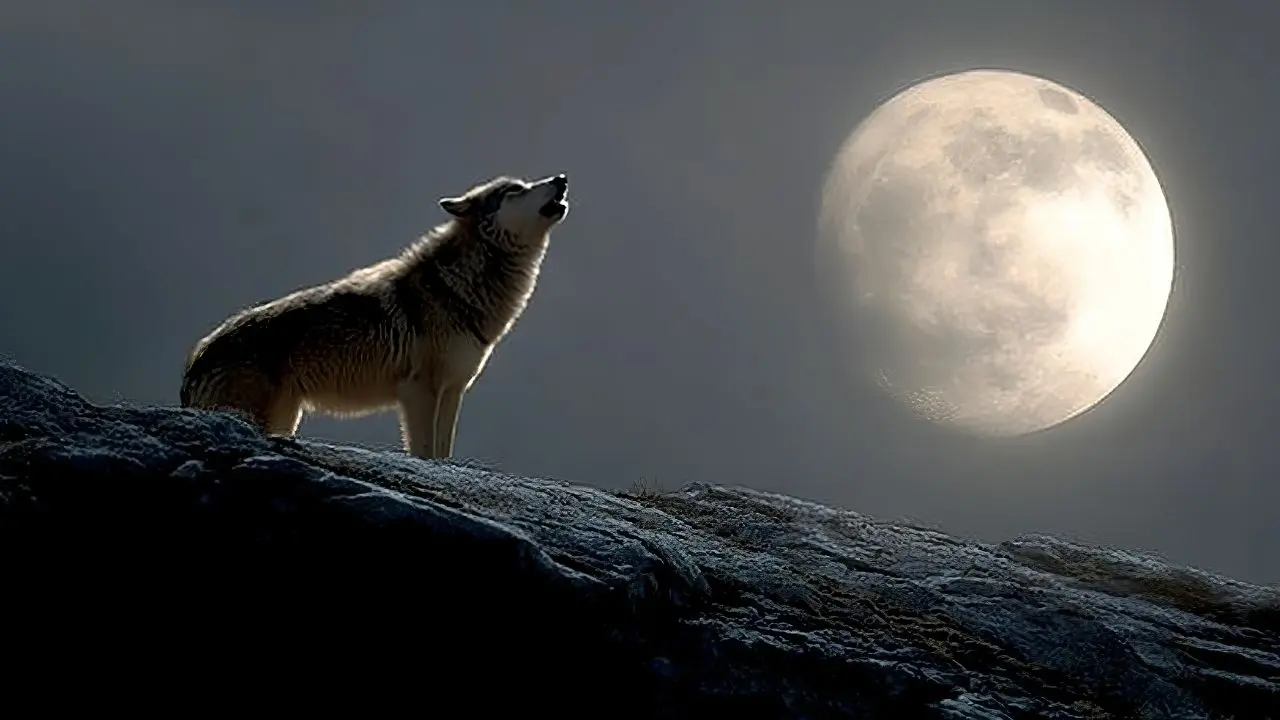
This evening, stargazers are in for a treat as the sky showcases the stunning first full moon of 2026, affectionately termed Paush Purnima. Known as the ‘Wolf Moon,’ this celestial event is steeped in history and fascination. Observers and enthusiasts eagerly anticipate the Wolf Moon's radiance and size, heralding a magical beginning to the year.
What Is the Origin of the Name 'Wolf Moon'?
The term ‘Wolf Moon’ has origins tracing back to ancient customs when the winter season was severe. On frigid January nights, people sought warmth indoors while the chilling howls of wolves pierced the stillness of snow-covered woods. It was these haunting sounds that inspired the moniker ‘Wolf Moon’ for the January full moon, tying it closely to the wild and cold characteristics of the season.
Astronomical Highlights: Earth’s Perihelion Event
On the night of Paush Purnima, Earth will be at its closest to the Sun, an astronomical point known as perihelion. This significant moment is set for approximately 10:45 PM Indian Standard Time (IST). At this closest approach, the distance is around 147 million kilometers—marking the minimum distance during its yearly orbit.
This advantageous position enhances the full moon’s appearance, making it look exceptionally large and brilliant. Often referred to as a supermoon, tonight's Wolf Moon is poised to be among the most spectacular displays of the entire year.
Moonrise and Moonset Timings
-
Moonrise: 5:49 PM (January 3, 2026)
-
Moonset: 8:00 AM (January 4, 2026)
These timings allow ample opportunity for lunar enthusiasts to appreciate the moon's beauty. From twilight through the early morning hours, the glowing full moon will illuminate the night sky, creating ideal conditions for moonwatching.
The Wolf Moon: A Testament to Nature’s Wonders
More than just the first full moon of the year, the Wolf Moon represents the profound connection between the universe and Earth's natural rhythms and enigmas. Its luminous presence on a frigid January evening serves as a reminder of the cosmic ties that bind us to the world around us.