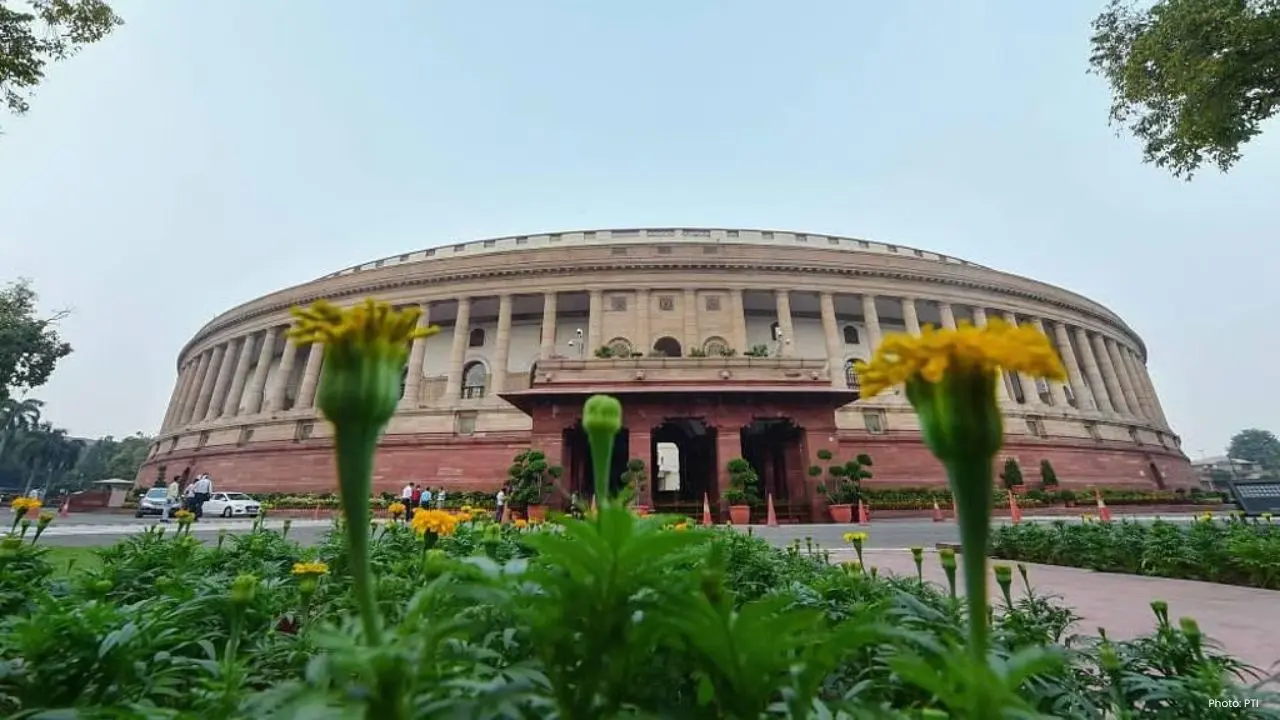
In a productive Winter Session, India's Parliament successfully passed eight significant bills. The session was brief but marked by rigorous debates and interactions between the opposition and the ruling party, leading to an agreement on discussing electoral reforms. This cooperation helped minimize disruptions, contrasting with the previous Monsoon Session, which faced constant adjournments due to electoral roll demands.
Productivity soared, with the Lok Sabha achieving 110% and the Rajya Sabha recording 121%. The Legislative agenda included critical discussions on electoral reforms and the 150th anniversary celebration of Vande Mataram. Notably, this session was chaired by CP Radhakrishnan, making his debut as Rajya Sabha Chairman.
Among the most heated discussions was regarding the Viksit Bharat G RAM G Bill, proposed to replace the MGNREGA scheme. The opposition raised strong objections, insisting it be sent to a Standing Committee. The passage of this bill was marred by significant protests within Parliament, with Parliamentary Affairs Minister Kiren Rijiju criticizing the opposition’s disruptive behavior.
Financial issues dominated the Winter Session, leading to the clearance of critical amendments in insurance laws, Appropriation Bills, and tax-related legislations. The controversial SHANTI Bill, which permits private sector involvement in nuclear energy, also faced intense debates before being passed by both Houses.
Key legislation included the Sabka Bima Sabki Raksha (Amendment of Insurance Laws) Bill, 2025, which permits a rise in foreign direct investment in insurance from 74% to 100%. The government advocated that this move would stimulate long-term foreign investment and bolster insurance coverage.
Both Houses also successfully passed the Central Excise (Amendment) Bill, 2025, revising duties on tobacco products and the Manipur Goods and Services Tax (Second Amendment) Bill, 2025 to implement GST Council decisions aimed at simplifying GST rates.
Throughout the session, 10 bills were introduced in the Lok Sabha, with eight being passed during 15 sittings. The Securities Markets Code Bill, 2025, presented by Finance Minister Nirmala Sitharaman, was sent to a Standing Committee for review, intending to modernize India's capital market laws by consolidating three existing laws.
Minister Kiren Rijiju expressed disappointment that comprehensive discussions on air pollution could not occur due to disruptions concerning the G RAM G Bill. This absence was noted as the government’s only regret given the topic's significance.
The Winter Session of Parliament, which commenced on December 1, concluded sine die on Friday. In conclusion, despite the protests, the session reflected a commendable legislative achievement with the passing of numerous significant bills.