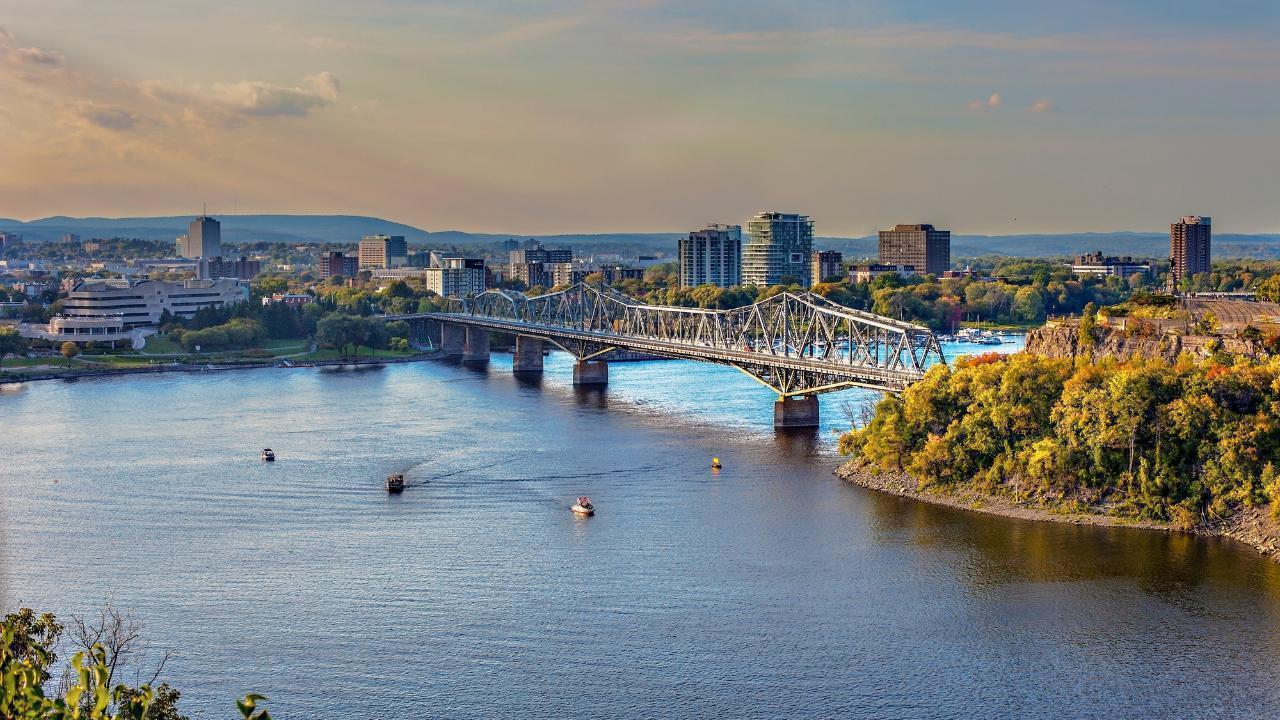
Ottawa is experiencing a prolonged bout of extreme summer weather, with blistering heat, intense humidity, and a hazy atmosphere caused by wildfire smoke combining to create hazardous conditions for residents. The nation's capital entered the new week under a Heat Warning from Environment Canada, which remains in effect through Thursday morning, warning of health risks associated with high temperatures and air quality degradation.
The warning comes as daytime highs are expected to reach 30 to 34 degrees Celsius, with humidex values climbing past 40, creating dangerous conditions for those working or exercising outdoors. Nighttime lows are also concerning, hovering between 19 and 23 degrees, offering little overnight relief and increasing the likelihood of heat-related illnesses for vulnerable populations.
The Weather Forecast: A Week of Scorching Conditions
Monday’s forecast set the tone for the week. The day began with cloudy skies that quickly gave way to hazy sunshine, a phenomenon triggered by smoke drifting from wildfires burning in parts of Northern Ontario and Quebec. These weather conditions are forecast to remain largely unchanged over the next few days, with Tuesday and Wednesday expected to bring even more intense heat, along with reduced air quality.
According to meteorologists, Tuesday’s high will push up to 32°C, and Wednesday could see Ottawa peak at 34°C, making this one of the hottest weeks of the summer thus far. Humidex values are expected to exceed 40°C, putting many at risk of heat exhaustion and even heat stroke if precautions are not taken.
By Thursday, a slight reprieve may arrive in the form of showers and isolated thunderstorms, potentially dropping the temperature slightly and clearing out some of the wildfire smoke. However, the humidity will remain persistent through midweek before easing by Friday, when temperatures are projected to drop closer to 24°C with lower humidity levels.
Environment Canada Issues Heat Warning
Environment Canada issued a detailed Heat Warning that remains in effect for Ottawa North – Kanata – Orléans and surrounding areas. The advisory warns of a prolonged period of dangerously high temperatures and humidity that can pose serious health risks, especially for older adults, infants, young children, and people with chronic health conditions.
According to the warning, the main threats during this period include:
-
Daytime highs of 29 to 34°C, with humidex values of 35 to 42°C
-
Overnight lows of 19 to 23°C, limiting the body’s ability to cool down
-
Persistent air pollution due to wildfire smoke reducing visibility and increasing respiratory risk
Officials advise residents to avoid outdoor activities during peak heat, particularly from 10 a.m. to 4 p.m., stay hydrated, wear light-colored and loose-fitting clothing, and monitor for signs of heat-related illness such as headache, dizziness, rapid breathing, and nausea.
Air Quality Concerns Mount with Haze
While the heat is challenging enough, air quality in Ottawa has also deteriorated due to smoke from ongoing wildfires drifting across the region. Environment Canada's Air Quality Health Index (AQHI) on Monday rated Ottawa’s air quality in the Moderate to High Risk range depending on location and time of day. This level of pollution can affect those with asthma, heart conditions, and respiratory illnesses, even during light outdoor activity.
The haze is visible across the skyline, dulling the sun and cloaking parts of the city in a light grey mist. Though it may appear scenic from a distance, this haze carries fine particulate matter that can settle in the lungs and bloodstream, particularly dangerous for the elderly, pregnant women, and children.
Health Canada advises that during periods of poor air quality:
-
Windows and doors should be kept closed if air conditioning is available
-
Air filters or purifiers should be used indoors
-
Masks may be worn outdoors to limit exposure to particulates
-
Outdoor activities should be postponed or moved indoors for those at higher risk
Hospitals, Emergency Services Brace for Impact
Ottawa Public Health has issued bulletins warning residents to take the heat seriously. Emergency rooms across the city are preparing for a possible rise in patients suffering from heat exhaustion, dehydration, and respiratory issues.
Paramedic services are increasing readiness, and cooling centres have been opened throughout the city, including in community centres and libraries, where people can find relief during the hottest hours of the day.
Dr. Theresa Tam, Canada’s Chief Public Health Officer, also reminded Canadians last week that extreme heat and air pollution are becoming more frequent and intense due to climate change, and that these weather events must be treated with the same seriousness as any other public health emergency.
Outdoor Workers and Athletes at Highest Risk
Construction workers, landscapers, delivery personnel, and others who work outdoors are urged to take frequent breaks and drink water at regular intervals—even before feeling thirsty. Coaches and parents are also being warned to cancel or reschedule sports practices and to monitor young athletes closely for signs of heat stress.
Heat stroke, the most severe form of heat-related illness, can develop quickly and may require immediate medical attention. Warning signs include confusion, slurred speech, unconsciousness, dry or red skin, and a lack of sweating despite high temperatures.
In the event of suspected heat stroke:
-
Call emergency services immediately
-
Move the person to a cool place
-
Remove excess clothing
-
Apply cold compresses or use cool water to reduce body temperature
Pets and Vulnerable Populations at Risk
Ottawa’s Humane Society and local veterinarians have also issued alerts. Pets should never be left in parked vehicles, even for a short time, and pet owners should restrict long walks and outdoor playtime to early mornings or late evenings when the temperatures are lower.
Residents are also being encouraged to check on elderly neighbors, those who live alone, and individuals without air conditioning. During prolonged heat events, dehydration and heat-related complications can develop silently, especially in seniors.
Impact on Daily Life and Infrastructure
The oppressive weather has started to affect daily routines and services. Garbage collection schedules have shifted to earlier hours to reduce exposure for sanitation workers. Outdoor construction crews are modifying work hours or rotating crews more frequently.
Schools with summer programs are limiting outdoor activities, and city-run recreation camps are altering schedules to keep children indoors during peak hours.
While there have been no major power outages reported so far, Hydro Ottawa has warned of increased electricity usage, as residents use fans and air conditioning units to cool their homes. Residents are encouraged to set thermostats a few degrees higher and use energy-efficient fans to reduce load on the grid.
Climate Context: More Than Just a Summer Heatwave
While heatwaves are common in Canadian summers, this current stretch has reignited discussions about climate change and extreme weather. Experts say longer, more frequent, and more intense heat events are expected in the coming decades unless greenhouse gas emissions are significantly curbed.
Ottawa, like many Canadian cities, has already experienced a rise in average summer temperatures over the last two decades, with increased incidence of heat warnings, poor air quality days, and smog advisories.
The city has committed to climate resilience measures including tree planting, improved urban design, and the development of more green public spaces to combat the urban heat island effect.
What Residents Can Do Right Now
In response to the ongoing heat and haze, city officials and public health experts recommend the following actions for residents:
-
Limit time outdoors, especially during the peak hours between 10 a.m. and 4 p.m.
-
Drink plenty of water and avoid sugary, caffeinated, or alcoholic beverages
-
Wear loose, light-colored clothing and a wide-brimmed hat
-
Check on family and neighbors, particularly seniors or those with mobility issues
-
Close blinds during the day and open windows at night if temperatures drop
-
Take cool showers or baths to regulate body temperature
-
Use cooling centres if you do not have access to air conditioning
Upcoming Weather Outlook for Ottawa
Here’s what residents can expect over the next few days:
-
Tuesday, July 15: Sunny and hot; high of 32°C, humidex over 40°C
-
Wednesday, July 16: Mostly cloudy, very hot; high of 34°C, risk of heat stroke for those active outdoors
-
Thursday, July 17: Humid, with a mix of sun and clouds; showers and thunderstorms possible by afternoon
-
Friday, July 18: Cooler with highs around 24°C and lower humidity levels
Conclusion: Stay Safe, Stay Smart
With heat warnings in effect and air quality compromised by wildfire smoke, Ottawa residents are urged to take every precaution over the coming days. What may seem like a normal summer stretch is actually a serious public health situation requiring vigilance, compassion for vulnerable populations, and smart preparation.
As temperatures soar and skies remain hazy, it’s important to stay cool, stay hydrated, and stay informed. For many in Ottawa, this week is not just about summer fun—it’s about staying safe in the face of extreme weather.