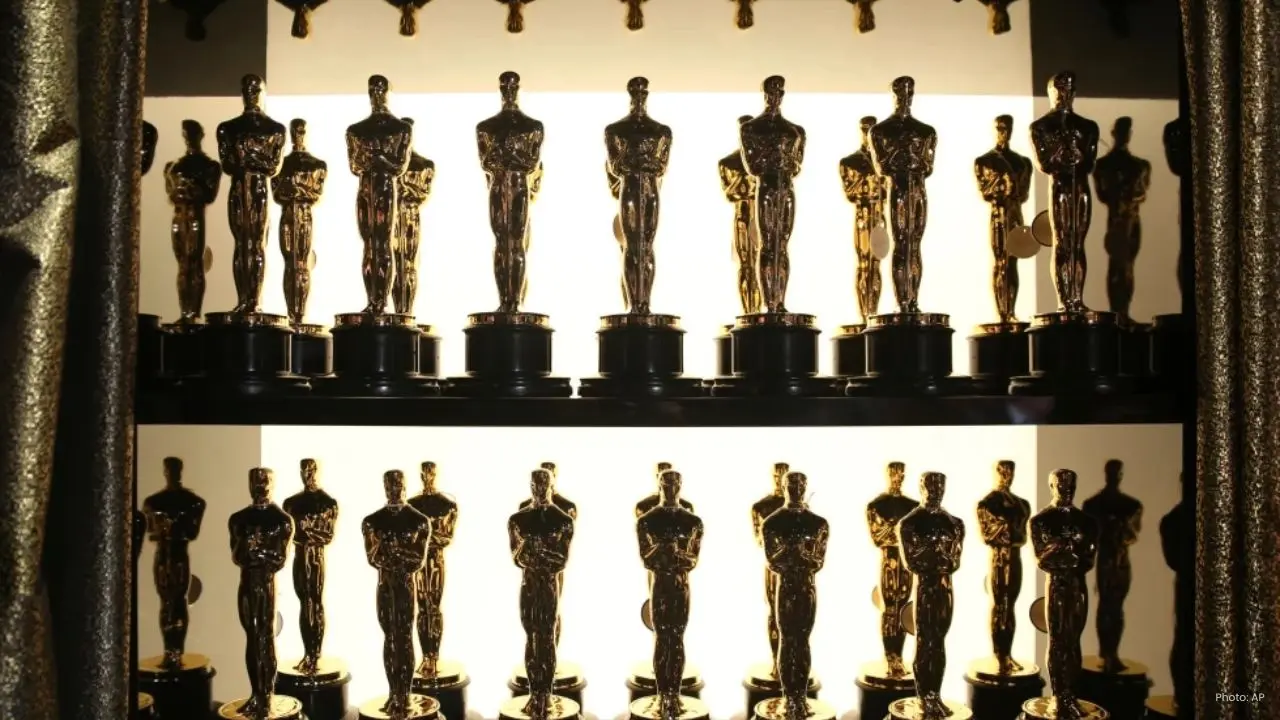
In a groundbreaking shift for an iconic event, the Academy Awards will cease airing on ABC and move to YouTube as of 2029. This marks a significant departure from traditional broadcast for the Oscars, ushering in a new era for global audiences to engage with the prestigious ceremony online.
The Academy of Motion Picture Arts and Sciences made the announcement on Wednesday. ABC will continue airing the ceremony until 2028, coinciding with its 100th anniversary. After that, YouTube will serve as the official streaming platform for the Oscars from 2029 to 2033, granting it global broadcasting rights.
Significance of the Move
This transition is more than just a platform change; it signifies a substantial evolution in how entertainment is delivered to audiences. Traditionally, the Oscars have been a staple of terrestrial television. By moving to YouTube, the Academy acknowledges the transformation in viewership patterns.
With over 2 billion users, YouTube is one of the world's top online platforms. It attracts younger demographics who spend significantly more time on YouTube than on conventional TV. Streaming facilitates viewing on diverse devices, from smartphones to smart TVs, providing enhanced flexibility.
Details of the Agreement
Beginning in 2029, YouTube will not only host the Oscars itself but will also showcase:
This makes YouTube a central hub for all matters Oscars-related, not limited to just the main event.
Free Global Access for Viewers
A key advantage for viewers is that the Oscars will be freely accessible on YouTube worldwide. Those subscribed to YouTube TV will also enjoy access, with features like multilingual audio tracks and closed captioning for better accessibility.
Reactions from Leadership
Academy leaders, CEO Bill Kramer and President Lynette Howell Taylor, expressed their enthusiasm for the partnership, calling it a "multifaceted global collaboration" aimed at maximizing the Oscars' reach. They emphasized the Academy's international stance and how this move will connect more diverse audiences with the event.
Neal Mohan, CEO of YouTube, regards the Oscars as a pivotal cultural occasion that celebrates creativity and storytelling. He believes this collaboration can inspire new generations of film enthusiasts while maintaining the legacy of the awards.
A Long Partnership Concludes
Having broadcast the ceremony for over 50 years, ABC first aired the Oscars in 1961 and has been its main channel ever since, aside from a brief stint by NBC in the early 70s. ABC has proudly stated its commitment to the Oscars and looks forward to broadcasting the final three ceremonies, including the pivotal 100th in 2028.
Changing Viewing Trends
Recent trends show declining TV viewership for the Oscars, with 19.7 million viewers tuning in for the 2025 ceremony—an increase from the previous year but well below historic highs. In 1999, for instance, over 55 million viewers watched when "Titanic" clinched Best Picture.
Experts suggest that this pivot to streaming is a strategy to engage broader and younger demographics. Enhanced global access could also foster growth for the Oscars.
Why YouTube Over Other Options?
While other platforms like Netflix and NBC's Peacock were under consideration, YouTube's extensive audience base, its reputation for sharing videos, and its popularity with younger viewers made it the preferable choice. Although YouTube lacks the extensive live production experience of traditional networks, its reach far surpasses others. Nielsen reported that as of November, YouTube accounted for 12.9% of all combined TV and streaming time in the U.S., compared to Netflix's 8.3%.
The Future of Awards Shows
This transition marks a first among the major four awards—the Oscars, Grammys, Emmys, or Tonys—in completely leaving traditional television. While others have offered streaming alternatives, none have made a full commitment to online-only presentation until now.
This historic shift may pave the way for other awards to consider similar moves, especially if the Oscars can successfully boost their viewership.
Looking Ahead: A 100-Year Legacy and New Beginnings
For almost a century, the Oscars have been integral to Hollywood, celebrating outstanding films and artists. The ceremony has continually evolved, transitioning from black-and-white broadcasts to high-definition viewing. The move to YouTube signifies the next major advancement.
As the hundredth celebration approaches in 2028, the Academy is gearing up for a future where streaming becomes the primary medium for viewers, moving away from traditional cable. This decision reflects current technological trends and shifts towards on-demand viewing.
What Viewers Can Anticipate
From 2029, audiences can expect:
Easier access to live and recorded shows
Enhanced interactive features
Global reach without the need for cable
Increased behind-the-scenes content
Expanded multilingual and captioning options
This transition also opens doors for the Academy to create extended yearly content, not limiting itself to just one major event annually.
The decision to partner with YouTube is a bold one, reflecting the realities of today's media landscape. By reaching viewers in their preferred online spaces, the Academy aims to rediscover its relevance in an increasingly digital world. Moreover, this change will allow a wider global audience to enjoy the Oscars for free, enhancing the inclusivity of this celebrated event. While ABC's historic partnership ends, YouTube heralds a new chapter for one of the world's most revered award shows.