Oman and India have embarked on a significant journey to strengthen their economic collaboration by signing a Comprehensive Economic Partnership Agreement (CEPA). This pact focuses on broadening trade, enhancing investment opportunities, and smoothing business interactions between the two nations.
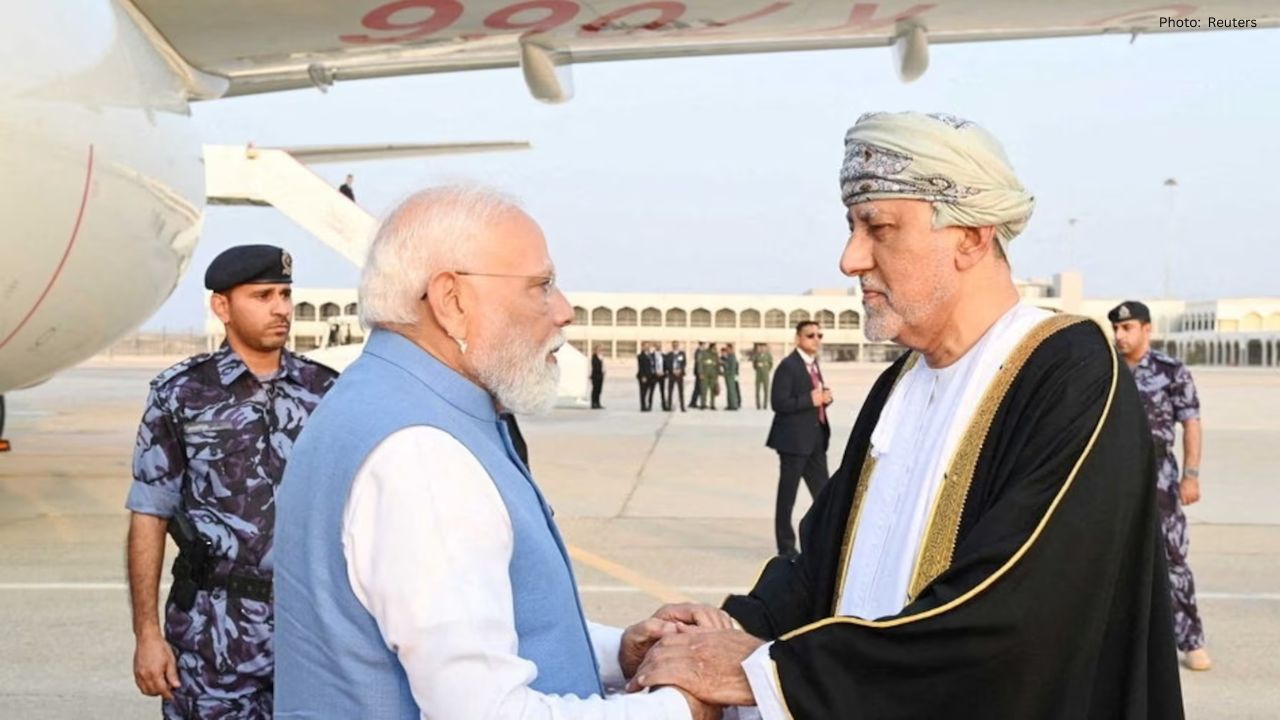
The agreement was inked during Indian Prime Minister Narendra Modi’s visit to Muscat, where he received a warm welcome from Sayyid Shihab bin Tariq Al Said, Oman’s Deputy Prime Minister for Defence Affairs. Confirmation of the signing came from Oman’s state news agency on Thursday.
As per the official announcement, the deal aims to facilitate the flow of goods and services between Oman and India. It also lays the groundwork for long-term collaboration across various economic sectors.
This alliance is seen as a pathway to unveil new business prospects. For India, Oman represents a crucial entry point into the Gulf region, while Oman sees India as a rapidly expanding market with substantial needs in energy, logistics, technology, and services.
The CEPA is predicted to lower trade barriers, encouraging investment from both nations. Additionally, it is expected to empower small and medium enterprises by providing them improved access to emerging markets and supply chains.
Economic analysts suggest that this agreement could help diversify Oman’s economy away from oil dependence by attracting Indian investments into sectors like manufacturing, tourism, renewable energy, and ports. For India, the deal enhances its footprint in the Middle East and aligns with its export expansion objectives.
Beyond economic concerns, this partnership underscores the escalating political and strategic confidence between the two countries. Already, Oman and India maintain strong cooperation in energy security, maritime trade, and regional stability initiatives.
With this agreement finalized, both governments are anticipated to develop specific regulations and timelines to transform their commitments into tangible economic benefits. If executed effectively, the CEPA could notably amplify trade flows and generate employment in both nations in the years ahead.