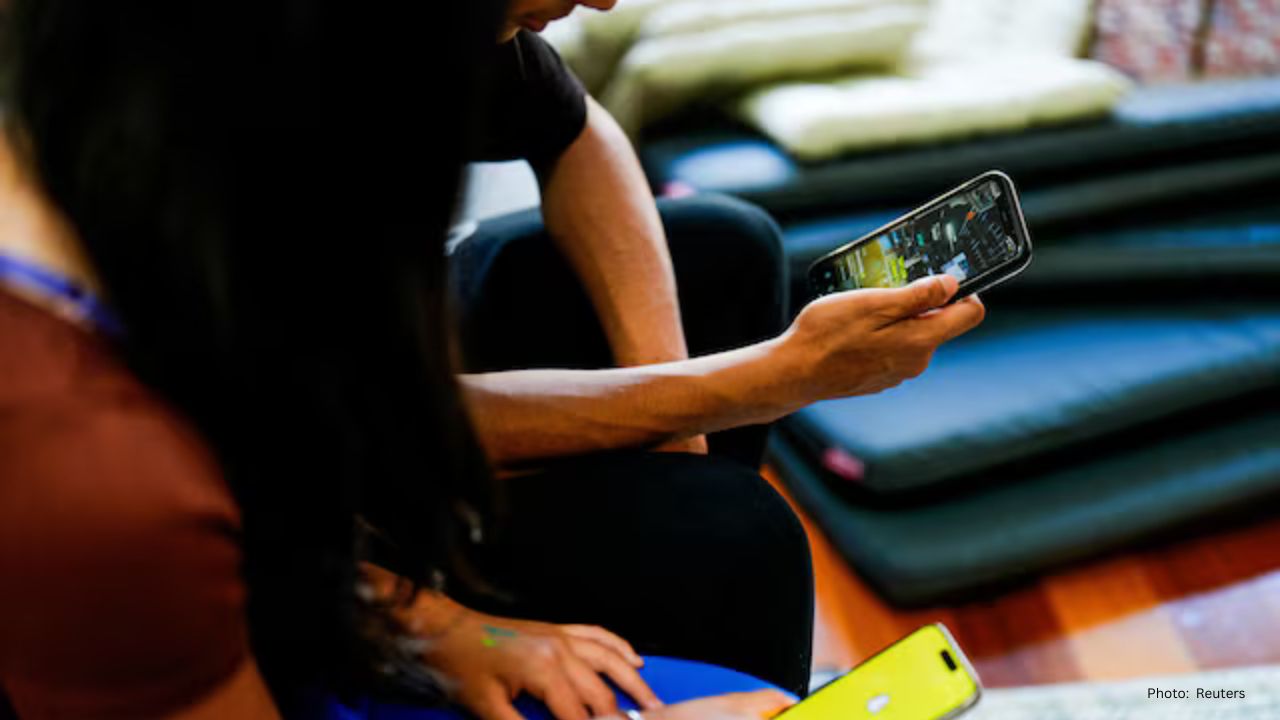
Selecting December 10 as the enforcement date, Australia plans to implement a law prohibiting children younger than 16 from accessing prominent social media platforms like Instagram, TikTok, and Snapchat. However, this legislation faces significant opposition from a directly affected party—a 15-year-old student named Noah Jones. His legal actions against the Australian government have ignited a national dialogue regarding online safety, individual rights, and safeguarding young citizens in the digital environment.
Sydney resident Noah Jones is one of two teens contesting this ban in a High Court lawsuit targeting Communications Minister Anika Wells and eSafety Commissioner Julie Inman Grant. He contends that the proposed measures won’t enhance internet safety; on the contrary, they could exacerbate issues for numerous youths.
Jones argues that the government is misidentifying the core issues. Rather than enforcing a ban on social media, he believes the emphasis should be placed on eliminating harmful content, addressing online predators, and combating cyberbullying. He asserts that when children conceal their online activities, they may inadvertently land in perilous situations. “When kids operate in secrecy, that’s when the potential for harm increases,” he noted in a conversation.
For Jones, social media transcends mere entertainment—it serves as the primary medium for youth interaction. He likens it to a “contemporary town square,” functioning as a space for the exchange of ideas, humor, school experiences, and friendships. Most of his classmates use Snapchat to stay connected, and without access to these platforms, many youths would feel isolated from their social circles.
He warns that the ban could foster a new form of “social divide.” Some adolescents may comply with the regulations, while others will likely seek workarounds through VPNs, false accounts, or devices belonging to older relatives. Jones freely admits that he and many acquaintances could easily bypass such restrictions. This, he warns, might lead youths to engage in hazardous online conduct without supervision or safeguards.
Furthermore, Jones posits that it should be up to parents, rather than the state, to dictate their children's social media engagement. Every household has unique circumstances, and a blanket prohibition disregards this factor. Some teenagers might be sufficiently mature to navigate social media responsibly, while others could require additional oversight.
Contrarily, the Australian government maintains that this ban is crucial. Officials assert that its purpose is to protect children from damaging content, grooming behaviors, mental health challenges, and cyberbullying. Communications Minister Anika Wells has made it clear that the government is prepared to uphold the law in the face of legal challenges.
The lawsuit argues that the ban infringes upon constitutional rights and advocates for more effective, focused safety initiatives to replace it. This initiative is backed by an advocacy organization connected to a Libertarian Party member in the New South Wales parliament. As of now, the High Court has not scheduled a hearing date.
This case has stirred significant discussion in Australia, with virtually every parent, educator, and teenager sharing their views on social media and safety. Should the government intervene to impose rigid regulations, or should families retain decision-making power? Will a ban genuinely safeguard youth, or will it drive them toward riskier online practices?
As the court gears up to deliberate on the case, it is evident that Australia's youth digital landscape is at a crucial juncture. Noah Jones’ advocacy has compelled the nation to carefully examine how best to protect young users while upholding their independence and desire for connection.