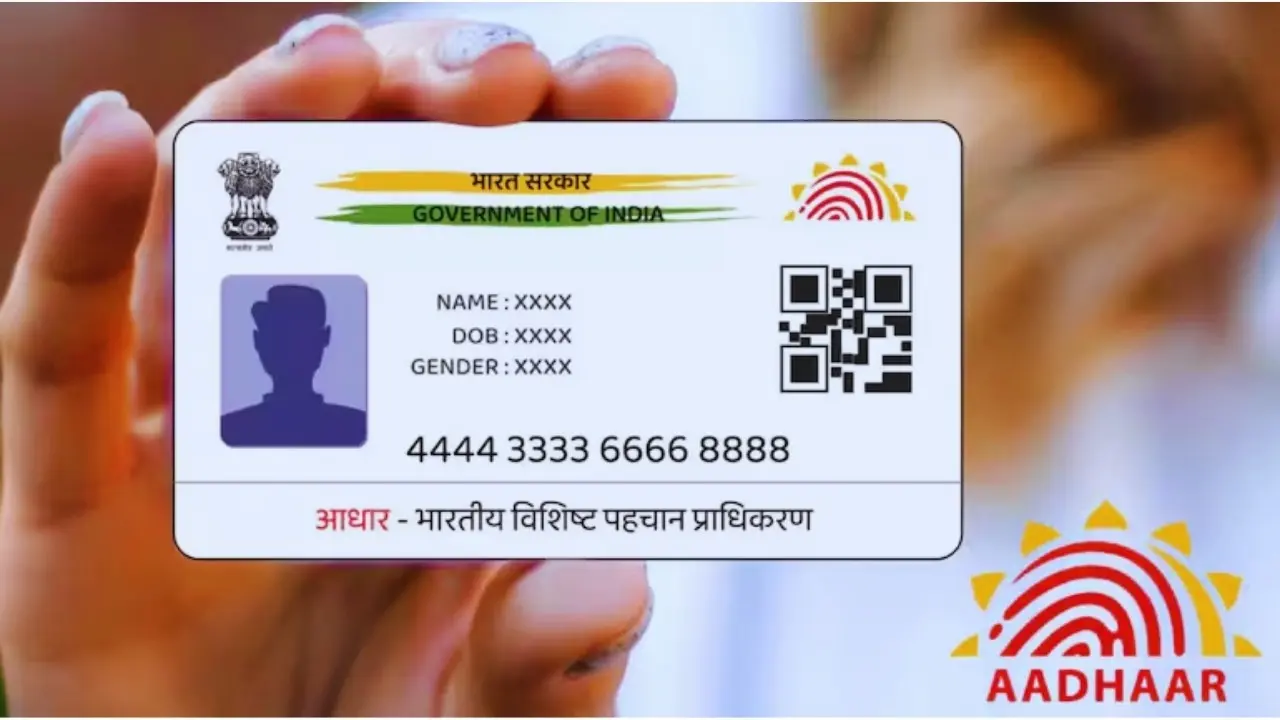
Why the Aadhaar Rule Is Back in Focus
Aadhaar has long been at the centre of India’s digital governance framework. From welfare delivery to financial verification, it has steadily expanded its footprint across sectors. The introduction of a new Aadhaar-linked rule has once again brought the system into public focus, prompting questions around privacy, inclusion, and compliance.
Unlike earlier changes that unfolded gradually, this update has immediate implications for millions. Whether it affects banking access, government benefits, digital services, or identity verification, the rule marks another step in the country’s push toward a more integrated digital ecosystem. Understanding what has changed — and why — is crucial for both individuals and institutions.
What the New Aadhaar-Linked Rule Is About
The Core Change Explained Simply
At its heart, the new rule strengthens the requirement to link Aadhaar with specific services and databases where verification is considered essential. It tightens timelines, clarifies compliance conditions, and standardises how Aadhaar authentication is used across platforms.
Why the Government Introduced This Update
The stated objective is to reduce duplication, eliminate fake or multiple identities, and ensure benefits and services reach the intended recipients. Authorities argue that stronger linkage improves accountability and reduces leakages in public systems.
How This Rule Differs From Earlier Aadhaar Mandates
From Optional to Conditional
Earlier, Aadhaar linkage was often presented as optional for many services, with alternatives available. The new rule narrows these alternatives in certain cases, making Aadhaar the preferred or primary mode of verification.
Greater Emphasis on Timelines
This update introduces clearer deadlines for compliance. Missing these timelines may result in temporary suspension of services until verification is completed.
Who Benefits the Most From the New Rule
Government and Public Administration
For government agencies, the rule simplifies record-keeping and data reconciliation. A unified identity framework allows faster processing of applications, benefits, and approvals.
Eligible Welfare Beneficiaries
Individuals who are correctly enrolled and linked stand to gain from quicker and more accurate benefit transfers. The chances of delays due to identity mismatches reduce significantly.
Formal Financial Institutions
Banks and regulated financial entities benefit from streamlined verification processes. Faster onboarding and reduced paperwork improve operational efficiency.
How the Rule Impacts Ordinary Citizens
Simplified Access for Digitally Ready Users
For those comfortable with digital platforms, the rule can mean fewer documents, faster approvals, and smoother access to services.
Reduced Paperwork and Redundancy
Linking Aadhaar across services eliminates repeated submission of identity proofs, making interactions with institutions more efficient.
Who May Face Challenges Under the New Rule
Digitally Excluded Populations
People without access to smartphones, stable internet, or digital literacy may struggle to complete Aadhaar linking within stipulated timelines.
Senior Citizens and Migrant Workers
Elderly individuals and migrant workers often face difficulties updating records due to mobility, health, or documentation issues.
Authentication Errors and Mismatches
Biometric failures, outdated demographic data, or technical glitches can prevent successful verification, temporarily blocking access to essential services.
Impact on Banking and Financial Services
Account Operations and Compliance
Accounts that require Aadhaar linkage may face restrictions if verification is incomplete. This can affect transactions, benefit credits, or account upgrades.
Credit Access and Financial Inclusion
While the rule improves risk assessment for lenders, it may inadvertently delay access to credit for those facing verification hurdles.
Effect on Government Schemes and Subsidies
Targeted Delivery Gets a Boost
Direct benefit transfers become more precise, reducing duplication and ensuring funds reach the right individuals.
Risk of Temporary Exclusion
Those unable to complete Aadhaar linking in time may experience interruptions, even if they are eligible beneficiaries.
Privacy and Data Protection Concerns
Centralisation of Personal Data
Critics argue that deeper Aadhaar integration increases data centralisation, raising concerns about surveillance and misuse.
Safeguards and Legal Oversight
Authorities maintain that legal frameworks and technical safeguards are in place to protect personal data. However, public trust depends on transparent enforcement.
Legal Perspective on Aadhaar Linkage
Balancing Rights and Governance
Courts have previously emphasised that Aadhaar usage must balance administrative efficiency with individual rights. The new rule will likely be evaluated through this lens.
Scope for Legal Challenges
Any instance of mandatory linkage without adequate alternatives may invite legal scrutiny, particularly if it leads to exclusion.
Technology and Infrastructure Readiness
System Capacity and Load
With millions attempting to link Aadhaar simultaneously, system stability becomes critical. Past experiences show that technical readiness plays a key role in smooth implementation.
Role of Service Centres
Physical service centres and assisted modes of verification remain essential to ensure inclusivity, especially in rural and semi-urban areas.
How Businesses and Platforms Are Affected
Compliance Burden on Private Entities
Businesses required to verify users through Aadhaar must upgrade systems, train staff, and ensure compliance with regulations.
Improved Customer Verification
On the positive side, accurate identity verification reduces fraud and improves trust between platforms and users.
Social Impact of the New Rule
Efficiency Versus Accessibility
The rule highlights an ongoing tension in digital governance: efficiency often improves, but accessibility can lag if inclusion is not prioritised.
Public Awareness Gaps
Many challenges arise not from the rule itself but from lack of clear communication. Confusion around deadlines and processes adds to public anxiety.
Steps Citizens Should Take Right Now
Check Linkage Status
Individuals should verify whether their Aadhaar is already linked with required services to avoid last-minute issues.
Update Aadhaar Details if Needed
Ensuring accurate demographic and biometric data can prevent authentication failures.
Seek Assisted Support
Those uncomfortable with digital processes should use authorised centres or assisted modes rather than delaying compliance.
What This Rule Signals for the Future
Deeper Digital Integration Ahead
The new Aadhaar-linked rule is unlikely to be the last. It signals a future where digital identity becomes central to governance and service delivery.
Need for Inclusive Policy Design
Future updates will need stronger inclusion mechanisms to ensure no eligible citizen is left out due to technical or procedural barriers.
Debate Around Choice and Consent
Is Aadhaar Truly Voluntary?
As linkage expands, the line between voluntary and mandatory becomes blurred, sparking debate about meaningful choice.
Trust as the Deciding Factor
Public acceptance ultimately depends on trust — trust that data is secure, processes are fair, and exclusions are addressed quickly.
Conclusion: A Rule With Mixed Consequences
The new Aadhaar-linked rule reflects India’s ambition to build an efficient, transparent, and digitally empowered system. For many, it simplifies access and reduces friction. For others, it introduces new challenges that require immediate attention.
Whether this rule becomes a success story or a point of contention depends on how sensitively it is implemented. Strong grievance redressal, assisted access, and clear communication will determine if the benefits truly outweigh the costs. As the system evolves, the goal must remain clear: technology should empower citizens, not overwhelm them.
Disclaimer
This article is for informational purposes only and does not constitute legal, financial, or policy advice. Rules and guidelines related to Aadhaar linkage are subject to change, and readers are advised to rely on official notifications or authorised service providers for the most accurate and updated information.