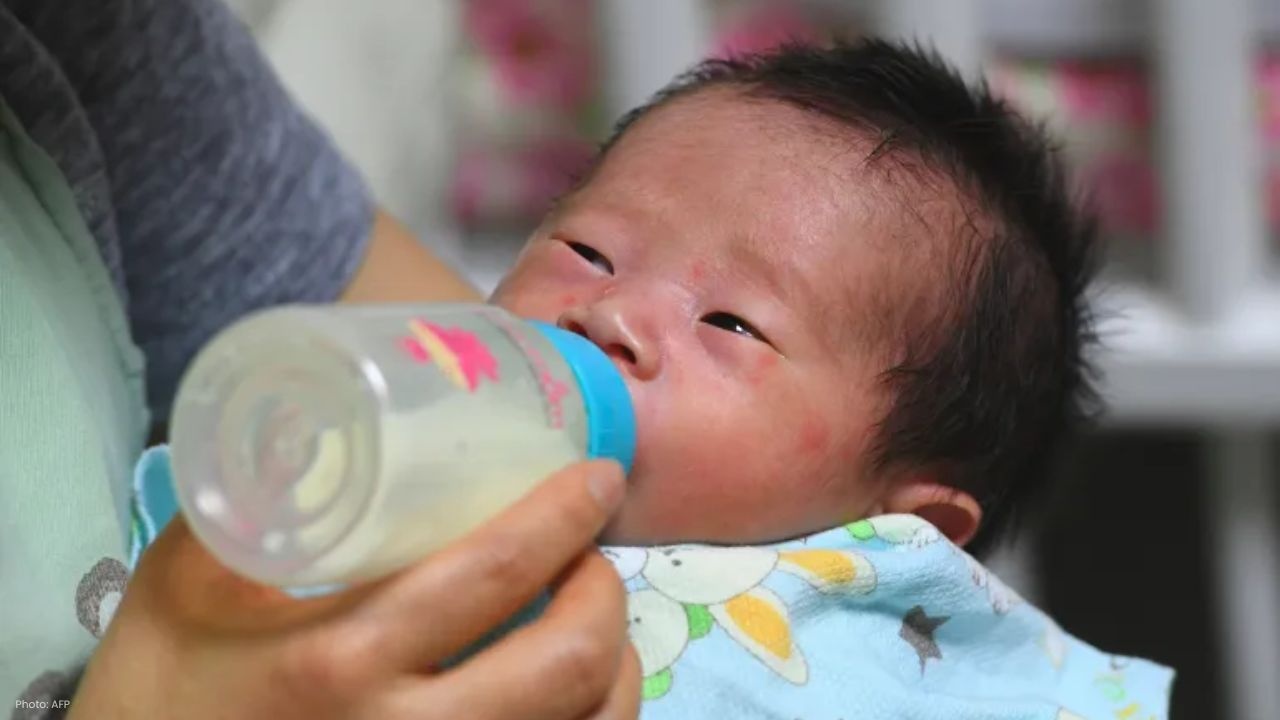
The Swiss food titan Nestlé has come under fire for adding sugar to baby food aimed at markets in Africa, Asia, and Latin America, even though it has eliminated sugar from similar products sold in Europe, as per a report by NGO Public Eye.
The report titled How Nestlé hooks children on sugar in low-income regions claims the company is "putting infants’ health at jeopardy for profit." This investigation, conducted by Public Eye alongside the International Baby Food Action Network (IBFAN), discovered that 93 percent of Nestlé’s baby food offerings in these regions contained added sugar.
The amount of sugar varied by country: baby cereals branded as Cerelac in Thailand featured six grams of sugar per serving, while those in Ethiopia contained 5.2 grams and in Pakistan 2.7 grams. In contrast, Swiss and other European markets like Germany and the UK see Cerelac sold without any added sugars.
According to the World Health Organization, foods for children under three should contain "no added sugars or sweeteners," cautioning that early exposure can lead to a lifelong preference for sugary items and heighten the risk of obesity and chronic diseases.
Nestlé commands 20 percent of the global baby food market, which rakes in nearly $70 billion each year and heavily markets its products in Africa, Asia, and Latin America as essential for healthy child development. However, the report suggests a troubling reality behind this marketing narrative.
Public Eye and IBFAN are calling on Nestlé to refuse this "unjustifiable and harmful double standard," which they say plays a role in rising obesity rates and fosters a preference for sugary products from a young age.
Nestlé has dismissed these allegations, labeling the investigation as "misleading." A spokesperson shared that producing cereals that are sweet enough to appeal to infants is crucial in the fight against malnutrition, asserting that their recipes adhere to national guidelines in the affected countries.