Photo:AP
Montreal Under Heat Warning and Thunderstorm Watch on Sunday
Montreal is facing an unusually intense summer day as a rare convergence of extreme heat and potential severe thunderstorms puts the city on high alert. Environment Canada has issued both a heat warning and a severe thunderstorm watch for Sunday, July 13, setting the stage for one of the most turbulent weather days of the season. With temperatures soaring and weather conditions rapidly shifting, residents are being advised to stay indoors, avoid unnecessary travel, and prepare for possible power outages and flash flooding.
Dangerous Heat and Humidity Grip the City
The day began with high humidity and already elevated temperatures, as thermometers rose quickly toward 30°C before noon. The humidex is expected to make it feel closer to 40°C by mid-afternoon, creating dangerous conditions for outdoor activity. Medical professionals across Montreal have warned that such conditions significantly increase the risk of heat exhaustion and heatstroke.
Seniors, infants, people with chronic illnesses, and outdoor workers are among the most vulnerable. Local hospitals have been placed on alert for heat-related illnesses. Cooling centers throughout the city opened early to accommodate those without air conditioning, and hydration stations have been set up in key public areas.
According to Dr. Claire Beaudoin, a public health physician in Montreal, prolonged exposure to such heat “can quickly overwhelm the body’s ability to regulate its temperature, particularly in environments without adequate ventilation.”
The Montreal Fire Department has also issued advisories urging citizens not to leave children or pets in parked vehicles and to avoid open flames or barbecues that could lead to accidental fires in the dry, hot conditions.
Thunderstorms Add to the Chaos
While high temperatures alone would be concerning, it's the brewing thunderstorms that may present the greatest danger. Meteorologists warn that atmospheric instability created by the interaction of hot, moist surface air with a cooler upper atmosphere could lead to explosive thunderstorm development by early afternoon.
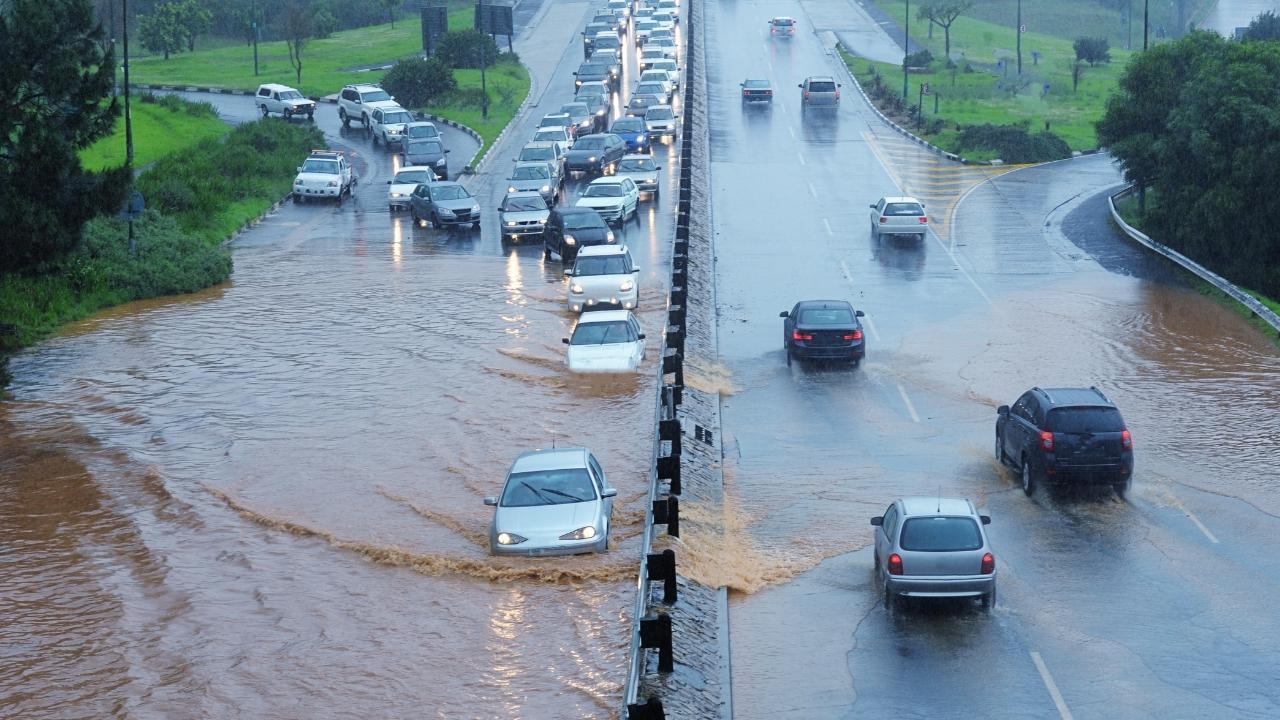
The storms are expected to bring intense lightning, torrential rainfall, gusty winds exceeding 90 km/h, and a risk of hail in some areas. Environment Canada stated that such conditions are capable of damaging buildings, uprooting trees, and knocking down power lines.
Already by late morning, dark clouds began forming west of the island of Montreal. Weather radar showed a line of thunderstorms moving in from eastern Ontario, gaining strength as they approached the city. The Montreal Police Department (SPVM) announced via social media that extra officers were deployed to monitor critical intersections and assist with traffic flow should street flooding or downed lines disrupt access.
Transportation and Infrastructure at Risk
The city’s public transportation system, including buses and metro trains, has been placed on standby. Officials from the Société de transport de Montréal (STM) announced that air conditioning in metro stations has been increased where available, and emergency generators have been checked for functionality.
Montreal-Trudeau International Airport issued a travel advisory, warning of possible delays and urging passengers to check with their airlines before heading to the terminal. As thunderstorms can ground flights due to lightning strikes or strong winds, disruptions are considered highly probable throughout the afternoon.
Municipal road crews have also been deployed to monitor drainage systems, particularly in flood-prone neighborhoods such as Rosemont, Ahuntsic, and parts of Verdun. In previous storms, these areas saw extensive basement flooding and street closures.
Power Outages and Emergency Response
Hydro-Québec has prepared emergency crews to respond to anticipated power outages. Past storms with similar weather profiles have left thousands of residents in the dark for hours or even days. As a preventative measure, citizens are encouraged to charge mobile devices, stock up on bottled water, and keep battery-powered radios on hand.
The city has activated its Emergency Operations Centre (EOC) to coordinate a multi-agency response. Firefighters, paramedics, and public works employees are operating under a Level 2 emergency alert. Officials stressed that citizens should call 911 only in genuine emergencies to avoid overwhelming response systems.
Health and Community Support Initiatives
Beyond emergency services, several community organizations have mobilized to support vulnerable residents. The Welcome Hall Mission and Old Brewery Mission reported increased staffing to accommodate additional homeless individuals seeking shelter from the heat.
Local food banks are distributing bottled water, fans, and basic hygiene kits. Churches and schools with functioning air-conditioning have opened their doors for temporary relief. Social workers are making house calls to elderly residents and those with limited mobility to ensure they have the necessary resources to stay safe.
“Montrealers are no strangers to challenging weather,” said Mayor Valérie Plante at a morning press conference. “But the combination of intense heat and incoming severe weather means we must work together as a city to protect one another.”
The Role of Climate Change
Experts continue to emphasize that extreme weather events like today’s are not isolated incidents but part of a broader trend linked to global climate change. Meteorologists at McGill University say Montreal has experienced more heat warnings in the last five years than in the entire previous decade.
Professor Étienne Gagnon, a climatologist, explained that warming oceans and atmospheric instability are creating the conditions for more frequent and violent summer storms. “These events are becoming not just more common, but also more dangerous. The infrastructure we designed decades ago isn’t built for this kind of weather,” he said.
He added that unless swift action is taken to modernize urban systems—like updating sewers, reinforcing electrical grids, and increasing green spaces—the impact of future events could be even more devastating.
Weekly Forecast: No Immediate Relief
Unfortunately, today’s weather may set the tone for a turbulent week ahead. Monday is expected to remain extremely hot, with highs nearing 31°C and the potential for more storms late in the day. Tuesday could see lingering humidity along with hazy skies due to drifting wildfire smoke from western Canada, which might affect air quality.
Wednesday and Thursday are forecasted to bring continued high temperatures, possibly peaking at 33°C, with overnight lows remaining in the 20s. Intermittent thunderstorms are expected throughout the week, making planning difficult for both residents and event organizers.
A brief drop in temperature is predicted for the weekend, but it remains unclear whether this will be accompanied by further precipitation or improved air quality.
Community Engagement and Volunteerism
Amid the warnings, community members are stepping up to help one another. Volunteers have been distributing water bottles at metro stations, while local businesses have offered free Wi-Fi and shelter during business hours. Several tech startups have launched apps to notify users of nearby cooling centers and provide real-time updates on power outages and flooded streets.
These initiatives are critical in ensuring that those who lack access to smartphones or have limited mobility are not left behind in an increasingly digital crisis management landscape.
Conclusion: An Urgent Call for Preparedness
Montreal’s Sunday storm and heat emergency is more than just a one-day anomaly; it is a symptom of a changing world where weather events are becoming more extreme, less predictable, and more impactful. The city's coordinated response is a testament to the resilience and solidarity of its residents, but it also highlights glaring gaps in infrastructure, preparedness, and social equity.
As citizens shelter from the heat and brace for the storms, officials and climate experts alike urge a renewed focus on long-term solutions—whether it be improving infrastructure, addressing climate change, or strengthening neighborhood support systems.
Today’s emergency might pass, but the lessons it teaches must not be forgotten. Montreal, like cities around the world, stands at a crossroads where preparedness is no longer optional—it is essential.