Overview of Manitoba’s Fire Situation
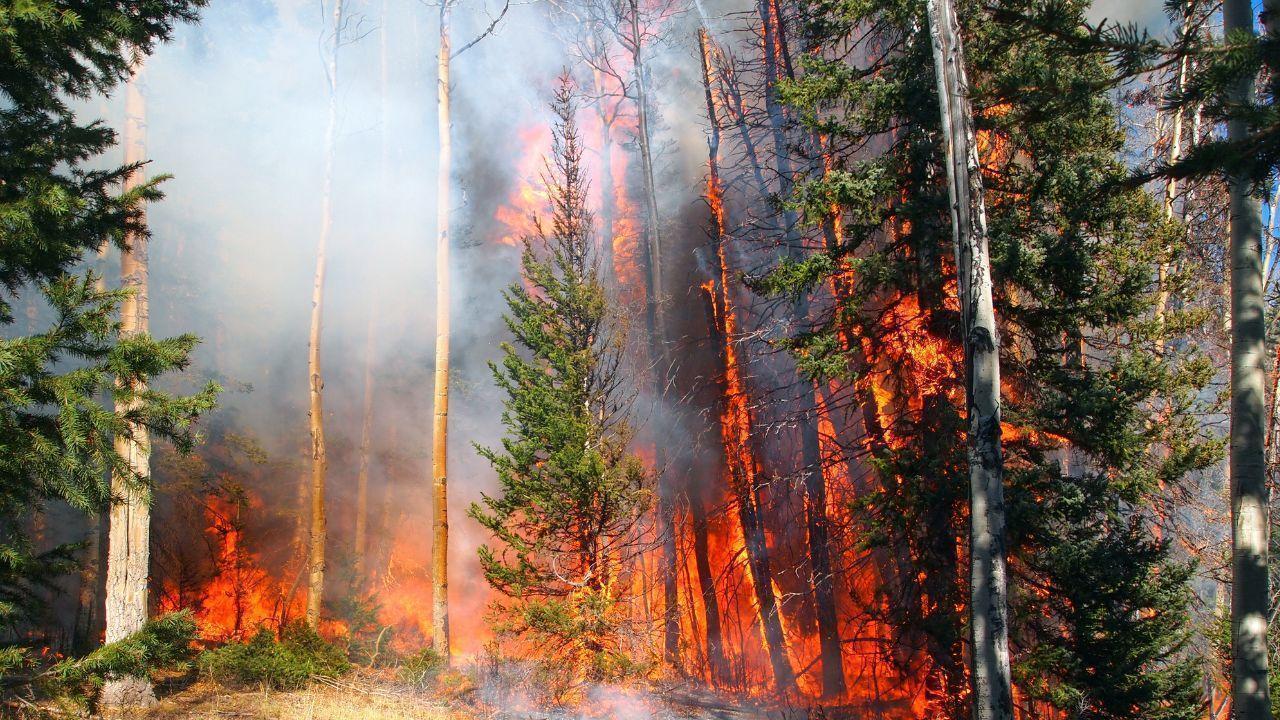
This week, Manitoba continues to face severe wildfire threats as persistently hot, dry weather combines with record-low precipitation. Over the weekend, provincial fire crews reported escalating fire behaviour across multiple regions.
Analysts warn that these intensified conditions not only fuel existing blazes, but also create ripe conditions for new outbreaks.
Current Fire Activity and Weather Drivers
-
Extreme heat: Temperatures have soared well above seasonal norms, with many regions experiencing extended heatwaves and highs in the high 30s °C.
-
Minimal rainfall: A notably dry summer means forests and grasslands are tinder-dry, lacking the moisture to suppress ignition. Environment Canada’s summer outlook already warned of high wildfire risk due to unusually dry spring and early summer conditions.
-
Low humidity & wind: Scorching temps combined with low humidity and occasional gusts create a volatile environment. These are textbook wildfire-fuelling conditions.
Regional Fire Hotspots
-
Northern and central Manitoba: Several wildfires near Thompson and Flin Flon have intensified, aided by lightning strikes and supported by helicopter operations.
-
Remote zones: Fires in isolated forested regions are advancing into previously unaffected terrain. Crews continue to battle limited-access areas to contain flare-ups.
-
New ignition events: Lightning storms triggered new blazes around Thompson last Friday, raising containment concerns.
Fire Risk and Provincial Bulletins
The provincial fire danger remains pegged at “moderate to high” across much of Manitoba. While there are some pockets of slightly reduced danger, most zones see elevated threat levels. Authorities are monitoring all current outbreaks while alerting residents in high-risk areas to prepare for potential evacuations.
Smoke, Air Quality, Health Impacts
-
Air quality alerts: Smoke from Manitoba’s ongoing wildfires is drifting across the province, triggering air quality advisories in Winnipeg and surrounding communities.
-
Health advisories: Officials are urging vulnerable populations—such as children, seniors, and those with respiratory conditions—to limit outdoor exposure and integrate air filtration systems.
-
Cross-border effects: Past wildfire smoke from Canada has significantly impaired air quality in parts of the U.S., raising dwellers’ respiratory concerns.
Climate Context and Broader Trends
-
Worsening wildfire seasons: The 2025 wildfire season in Canada has already emerged as one of the largest recorded, with over 5.5 million hectares burned by July 19—Manitoba alone saw 1.27 million hectares devastated.
-
Comparative impacts: While 2024 Manitoba fires burned 266,000 hectares, 2025 is outpacing that significantly. Poor moisture levels, earlier snow melts, and heatwaves—exacerbated by climate change—are extending and intensifying wildfire seasons.
-
Implications for the future: Experts warn that climate-driven warming and prolonged aridity will likely make these conditions more common, raising questions about future emergency preparedness and resource allocation.
Fire Management & Response Efforts
-
Ground crews: Thousands of firefighters are deployed, working around the clock to establish fire breaks, conduct controlled burns, and protect populated areas.
-
Air support: Helicopters and water bombers are critical in aerial suppression, especially in remote or rugged terrain. However, smoke is limiting visibility and reducing operational effectiveness.
-
Interprovincial aid: Resource-sharing agreements are in effect, sending support from nearby provinces to reinforce containment lines and assist with evacuations.
-
Emergency declarations: Manitoba has previously declared states of emergency twice in 2025, reflecting the severity and scale of the situation.
Community Impact and Evacuations
-
Displacement: Thousands of residents in Northern Manitoba communities were evacuated in previous months. While current orders are localized, readiness plans remain active.
-
Public advisories: Communities are being encouraged to prepare grab-and-go kits, monitor alerts via radio or official online channels, and maintain clear evacuation access routes.
-
Smoke & mental health: Beyond physical health, sustained smoke and fire threats are taking a toll on mental well-being. Local leaders are calling for mental health support services during and after fire events.
Environmental & Ecosystem Effects
-
Forest loss: Intact boreal forest regions are experiencing large-scale damage, disrupting habitats, carbon storage, and species diversity.
-
Emissions surge: Canadian wildfires have emitted over 56 megatonnes of CO₂ by early June alone, ranking 2025 as one of the highest-emitting wildfire seasons.
-
Water & soil impacts: Intense burns alter soil structures and water flow, potentially increasing erosion, affecting water quality, and changing future vegetation patterns.
Authorities & Expert Commentary
-
Environment Canada has consistently forecast a hot, dry summer conducive to intense fire seasons.
-
Public safety officials emphasize that proactive measures—like fire bans, readiness drills, and evacuation planning—are crucial in managing risk.
-
Researchers suggest the key to long-term resilience lies in investing in detection systems, community education, and climate adaptation strategies.
Key Recommendations for Residents
-
Heed advisories: Follow all fire bans and burn restrictions, and monitor media updates.
-
Prep emergency kits: Include essentials like medications, important documents, masks, and basic provisions.
-
Shield from smoke: Use air purifiers and N95 masks during smoky periods, especially for those with health vulnerabilities.
-
Stay evacuation-ready: Keep vehicles fueled and accessible, and maintain a communication plan with friends and family.
Manitoba's current wildfire landscape reveals how rapidly shifting weather patterns—driven by climate change—can intensify fire threats. Hot, dry conditions are turning forests into tinderboxes, leading to increased blaze activity, degraded air quality, and heightened public safety concerns. While firefighting efforts continue with air and ground coordination, community preparedness and proactive adaptation will shape how well the province weathers both this crisis and future fire seasons.