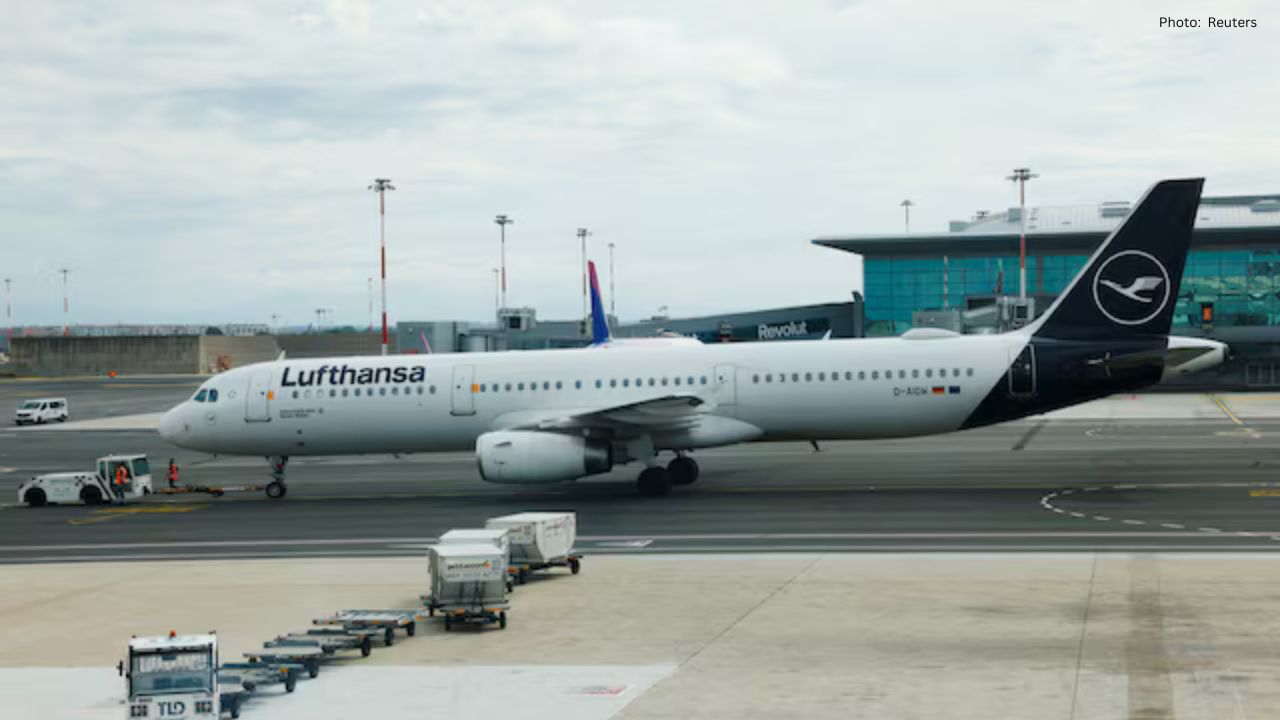
Germany's Lufthansa, the leading airline group, is striving to win back investor confidence following a series of underwhelming performances. Despite projecting a turnaround by 2026, skepticism persists as the airline continues to trail its European counterparts.
Under the leadership of CEO Carsten Spohr since 2014, Lufthansa's share price has decreased by nearly one-third. Although there was a peak in growth during 2017, the impact of the COVID-19 pandemic severely affected operations, leaving Lufthansa struggling to keep pace with major European competitors.
For long-term stakeholders, the outcome has been disheartening. Those who invested at the start of Spohr's tenure still face losses today, dividends included. This unsatisfactory performance places Lufthansa behind firms such as IAG and Air France-KLM.
In recent months, shares of Lufthansa increased by approximately 26%, indicating some recovery. However, this rise is minor compared to the faster gains made by rivals. Shares of IAG and Air France-KLM have surged at a greater rate, emphasizing Lufthansa’s continuing difficulties.
Significant concerns for investors include Lufthansa's elevated operating costs and ongoing labor disputes, which have negatively impacted profitability and tightened margins. The airline's operating margin experienced a sharp drop last year and remains lower compared to its primary competitors, with analysts predicting only gradual improvements ahead.
To address these challenges, Lufthansa is implementing plans aimed at reducing operational costs. The airline is set to cut around 4,000 administrative positions over five years and phase out older aircraft to enhance efficiency. Their long-term target is to achieve an operating margin of 8% to 10% by the decade's end. While these strategies sound optimistic, investors are eager for tangible results.
Lufthansa also contends with the complexities of its extensive structure, operating multiple airline brands and managing six significant hubs in Europe, including ITA Airways from Italy and the budget airline Eurowings. This breadth introduces additional pressures on cost control and management.
Furthermore, external challenges are compounding the issues. A dip in demand for transatlantic travel is affecting one of Lufthansa's critical markets, while aircraft delivery delays and difficult negotiations with labor unions may hinder recovery plans.
While the airline's executives assert that Lufthansa is on a promising path, trust remains delicate. After years of obstacles, investors are looking for concrete, lasting progress. The forthcoming years will be essential in determining whether Lufthansa can eventually compete effectively with its European peers or if it will continue to lag behind.