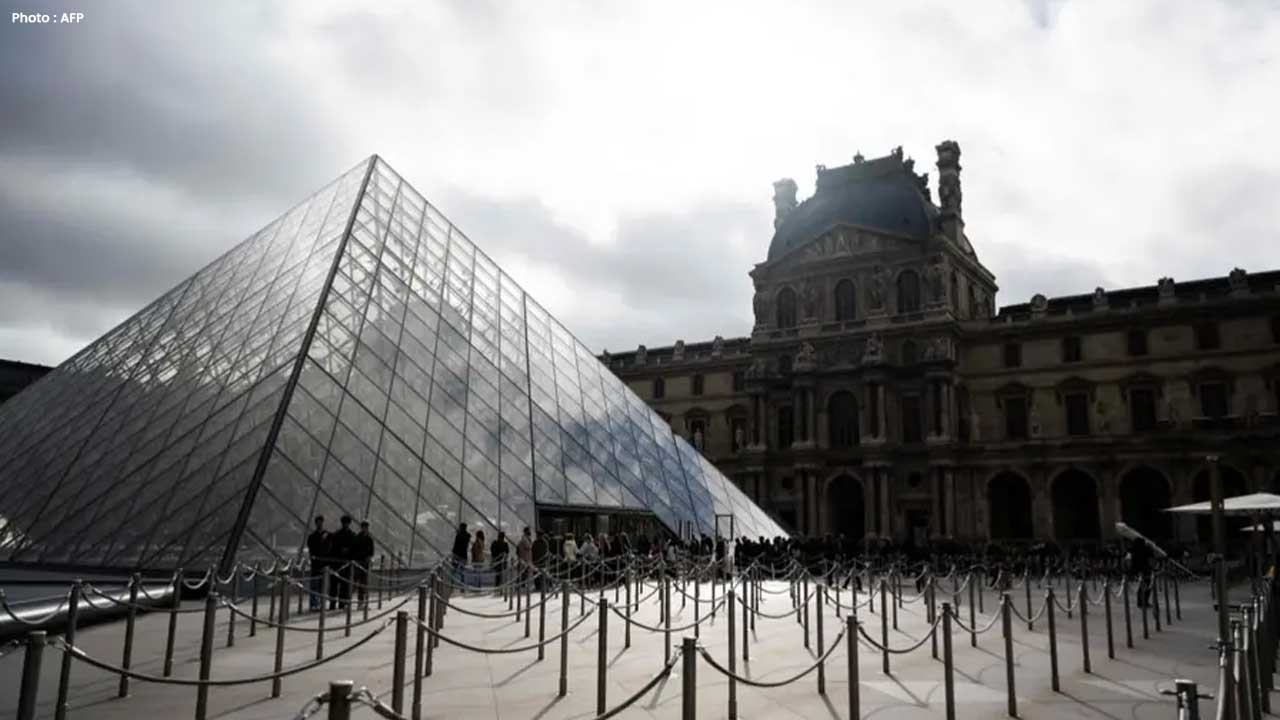
Paris – In the aftermath of the daytime raid that yielded about $102 million in jewels, investigators say a striking discovery emerged: France’s cybersecurity agency, ANSSI, found the museum’s primary security access protected by the plainly guessable password "LOUVRE." The revelation has deepened concerns about the institution’s digital and physical safeguards.
The dramatic theft unfolded on October 19 when a team of four, wearing construction vests and motorcycle helmets, used a cherry picker to reach the Apollo Gallery. In roughly seven minutes the group smashed display cases with chainsaws and absconded with eight priceless pieces, including a sapphire diadem, a necklace and a single earring linked to former queens Marie-Amelie and Hortense.
Cybersecurity Weaknesses Uncovered
Confidential material shows ANSSI could access the Louvre’s video servers using that same simplistic password. A 2014 audit had already flagged major vulnerabilities, noting critical protection systems were run by software more than two decades old. The review warned that anyone able to seize control of those systems could assist thefts or damage the collection.
It remains uncertain whether the Louvre implemented the audit’s recommendations or changed its access credentials in the years that followed.
Aftermath and Arrests
Authorities have detained four suspects, with three believed to have taken an active role in the burglary. Investigators say the suspects are seasoned offenders and might have acted for hire. During their escape the group used the cherry picker to descend, tried to set the vehicle on fire and then fled on scooters waiting nearby.
Louvre director Laurence des Cars conceded that cameras did not adequately cover the balcony the thieves used, explaining the nearest surveillance device pointed away from their entry point. Culture Minister Rachida Dati said internal alarm systems functioned during the incident, but external protections showed "major flaws."
Planned Security Upgrades
Responding to the breach, the museum announced plans to add "anti-ramming" and "anti-intrusion" barriers before year-end. The discovery that such a consequential system relied on an obvious password has triggered wider calls for modernising the Louvre’s cybersecurity and reinforcing measures to protect irreplaceable cultural treasures.