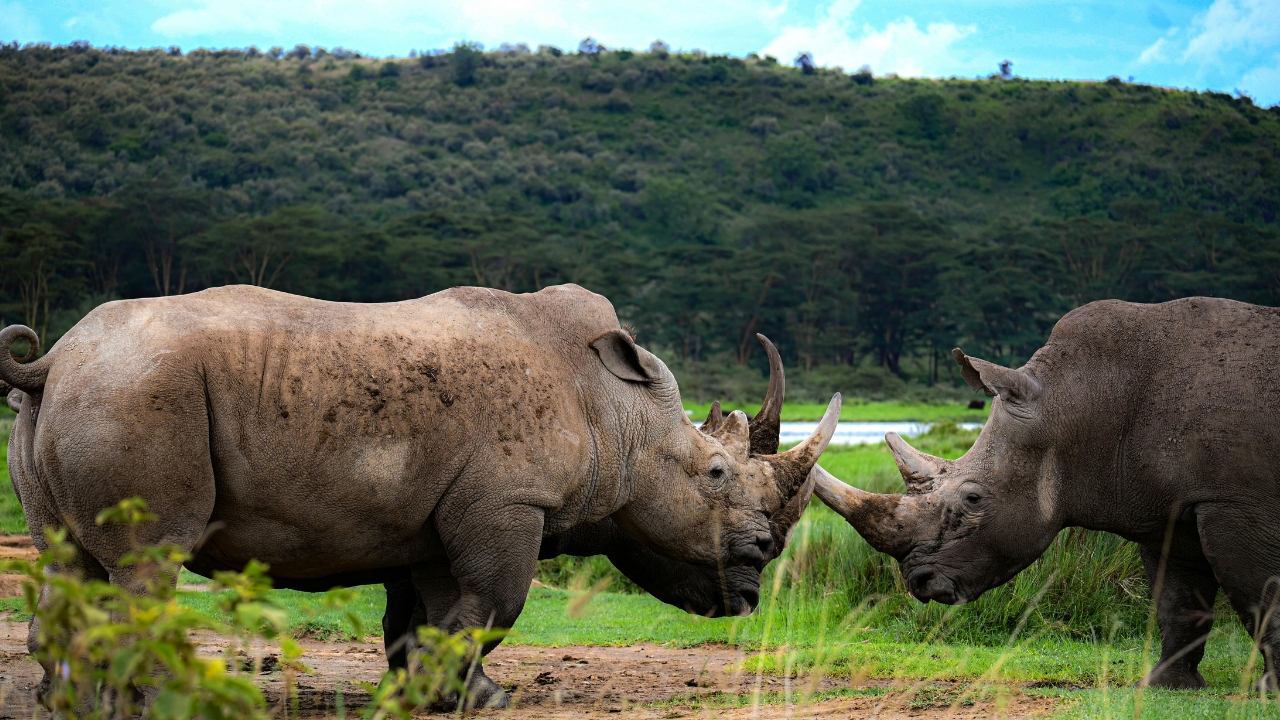
For decades, the sight of a rhino roaming freely across Kenya’s vast plains was under threat. These giants of the wild, once numbering in the thousands, faced a dramatic decline due to relentless poaching, shrinking habitats, and neglect. Today, however, a brighter story is unfolding: Kenya’s rhino population is showing signs of recovery. This development is not just a victory for conservationists, but a deeply symbolic moment that teaches us about persistence, responsibility, and the future of wildlife protection.
A Long Struggle Against Extinction
The story of rhinos in Kenya has long been one of survival against impossible odds. In the 1970s and 1980s, rhino poaching reached catastrophic levels. The animals were relentlessly hunted for their horns — a commodity falsely believed to carry medicinal or cultural value in certain markets abroad. By the early 1990s, populations had plummeted so dramatically that many predicted these ancient creatures would disappear from Kenya altogether.
But giving up was not an option. Conservationists, government agencies, local communities, and global partners joined hands to fight the tide of extinction. Their combined efforts, often carried out quietly and against immense challenges, have now begun to show visible success.
The Numbers Speak of Progress
Recent surveys from the Kenya Wildlife Service (KWS) indicate that both black and white rhino populations are slowly but steadily growing. Black rhinos, classified as critically endangered, have seen their numbers rise after years of decline. White rhinos, whose population had also dropped sharply, are being safeguarded in sanctuaries and parks such as Ol Pejeta, Nairobi National Park, and Tsavo.
While these numbers do not yet represent a complete recovery, they symbolize a turning point. Each new calf born in the wild represents not only survival but a victory over decades of loss.
How Kenya Turned the Tide
Kenya’s rhino recovery is not an accident. It is the outcome of years of deliberate action and difficult choices. Several strategies have played a role:
-
Stronger Protection: Increased patrols, surveillance technology, and anti-poaching units have reduced poaching incidents.
-
Community Participation: Local communities living around parks and reserves have become partners in conservation by benefiting from tourism and being included in wildlife management.
-
Conservation Zones: The creation of sanctuaries and fenced reserves has allowed rhinos to breed safely while remaining in their natural environment.
-
Global Partnerships: International donors, NGOs, and conservation groups have supported Kenya with funding, training, and advocacy.
These efforts have combined to form a protective shield around one of Africa’s most iconic species.
Challenges That Still Remain
Even with this positive news, the fight is far from over. Poaching networks still exist and continue to covet rhino horns due to high demand in illegal markets. Climate change adds another layer of challenge, with increasing droughts affecting grazing land and water sources. Furthermore, Kenya must balance rapid human development with the needs of its natural ecosystems.
Complacency would be dangerous. The lessons of history remind us that populations can decline just as quickly as they grow. Sustained vigilance, funding, and political will are critical to ensure today’s gains are not lost tomorrow.
Why This Recovery Matters
The survival of the rhino goes beyond wildlife conservation. It is about protecting biodiversity, supporting local livelihoods, and safeguarding national identity. For Kenya, rhinos are not just animals; they are symbols of pride, drawing thousands of visitors every year and contributing to tourism — one of the country’s vital sources of income.
On a global level, the recovery of Kenya’s rhino population serves as a hopeful reminder that humanity can undo damage when it acts with urgency and unity. In a world struggling with climate crisis and mass extinctions, such success stories are rare and deeply inspiring.
A Shared Responsibility
The progress in Kenya should not make us complacent but inspire continued action. Governments must strengthen laws against illegal wildlife trade. Communities must remain engaged as guardians of wildlife. Tourists must support eco-friendly travel. And the global community must continue to finance and champion conservation efforts.
Every rhino walking freely in Kenya today is a reminder that nature, when given a chance, can heal. But it also reminds us that healing requires constant care, sacrifice, and vigilance.