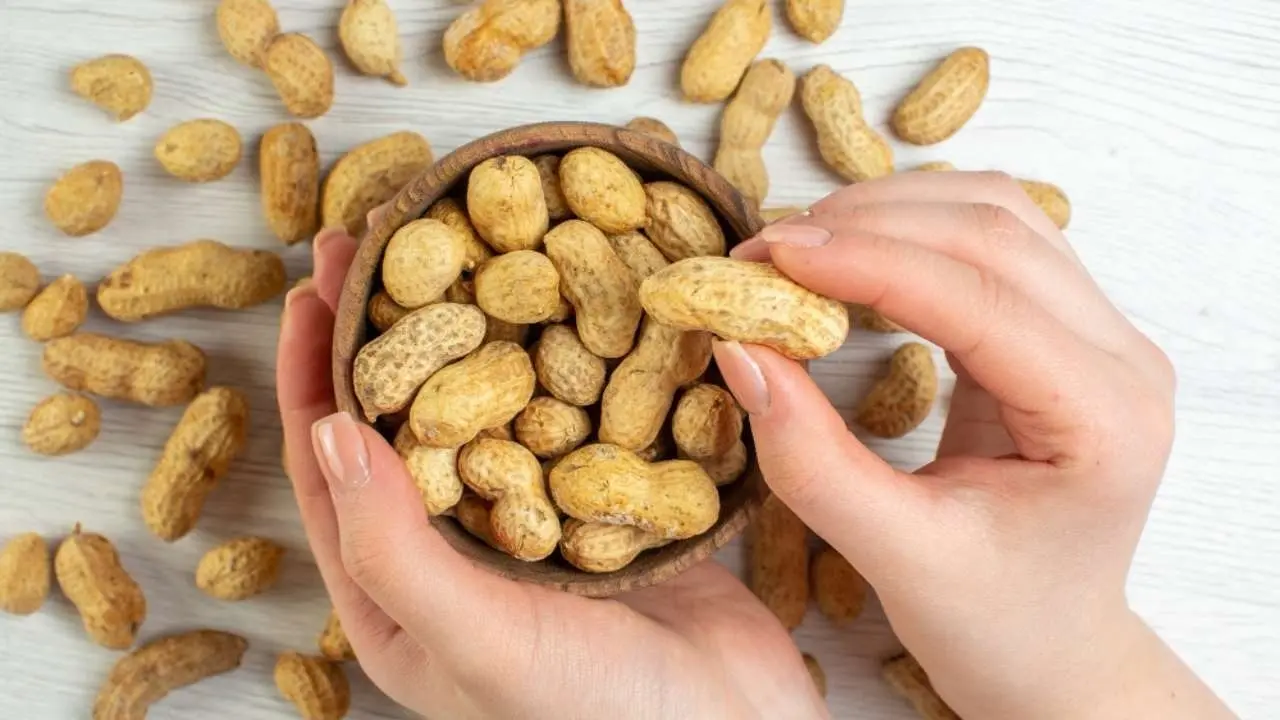
Is Winter the Right Time for Peanuts? Benefits and Cautions
As the chill of winter sets in, many alter their dietary choices. The cold prompts cravings for food that warms the body, boosts energy, and defends against seasonal ailments like colds and fatigue. Peanuts emerge as a popular choice during this season, prized for their affordability, availability, and appeal across all age groups. Often prepared roasted, boiled, or incorporated into various seasonal snacks, peanuts play a significant role in winter menus.
Yet, a common question arises: Is consuming peanuts in winter beneficial? Will there be health concerns if consumed in excess? This article delves into the reasons peanuts are favored in winter, their advantages for health, and what precautions should be observed while indulging.
Why Do People Love Peanuts in Winter?
Regarded as a warming food, peanuts help meet the body's heightened energy needs during winter. Their healthy fats and calorie content are vital for generating body heat and maintaining vitality, which explains the satisfaction and energy boost many feel post-consumption.
Moreover, peanuts are well-suited for storage as they resist spoilage and require little preparation, making them a convenient snack for families.
Health Perks of Peanuts in Winter
In the colder months, fatigue often looms due to lower temperatures. Peanuts stand out as excellent energy boosters, helping to combat tiredness with a sustained energy release throughout the day.
Packed with protein, peanuts are beneficial for muscle growth and repair, enhancing overall strength and supporting daily functions. This is particularly advantageous for those involved in physical activities or sports.
The healthy fats found in peanuts not only aid in warmth retention but also promote heart health, provided they are consumed in moderation.
Additionally, peanuts are rich in essential vitamins and minerals, including vitamin E, magnesium, and zinc, fortifying the immune system. A robust immune defense is crucial during winter, when infections are rampant.
They also aid in appetite control, keeping you satiated longer and discouraging the consumption of unhealthy snacks.
Peanuts and Cold Weather
Winter often brings slower digestion for many. Peanuts, known for their slower breakdown, help maintain body warmth for extended periods. However, overindulgence can lead to discomfort.
Moreover, peanuts contribute to skin health, critical during chilly months when dryness can plague complexions. The healthy fats in peanuts nourish the skin from within.
Precautions to Consider
Despite their health benefits, excessive intake of peanuts can pose risks due to their high caloric content, potentially leading to weight gain.
For some, peanuts may cause gas, bloating, or acid reflux, particularly if consumed at night, as they are dense and digest slowly.
Individuals with peanut allergies must completely avoid them, as even tiny amounts could trigger severe reactions.
People with acne-prone skin may also need to limit their intake to avoid exacerbating their condition.
Diabetic individuals should approach peanut consumption with caution, practicing portion control and consulting healthcare providers before incorporating them regularly.
Best Practices for Eating Peanuts in Winter
The healthiest choices during winter are roasted or boiled peanuts. Opting for oven-roasted peanuts without added oils ensures easier digestion over fried varieties.
It's wise to avoid heavily salted or deep-fried peanuts, as high salt and oil content can be detrimental.
Daytime consumption is recommended, allowing for proper digestion.
A modest handful is sufficient; overconsumption doesn’t equate to additional benefits and might result in side effects.
Who Needs to Be Particularly Cautious?
Children should consume peanuts under adult supervision to prevent choking hazards.
Elderly individuals should limit intake, and if chewing poses a challenge, options like crushed peanuts or peanut butter should be considered.
Those with digestive issues, acidity, or skin sensitivities should monitor their reactions to peanut consumption.
When eaten cautiously, peanuts can serve as a nutritious winter snack, offering energy, warmth, immune support, and appetite control. However, moderation is key.
Every individual's tolerance differs; if peanuts prove beneficial, they can be a delightful winter treat. If discomfort arises, consider reducing intake or avoiding altogether.
For the majority, winter consumption of peanuts is both safe and beneficial—as long as balance and caution are maintained.
Disclaimer
This article serves as general informational content. It is based on widely recognized dietary habits and health awareness and is not intended to replace professional medical guidance, diagnosis, or treatment. Individual health requirements and responses to food can vary significantly. Consultation with a qualified healthcare provider or nutrition specialist is recommended before implementing notable dietary changes, particularly for those with pre-existing health concerns.