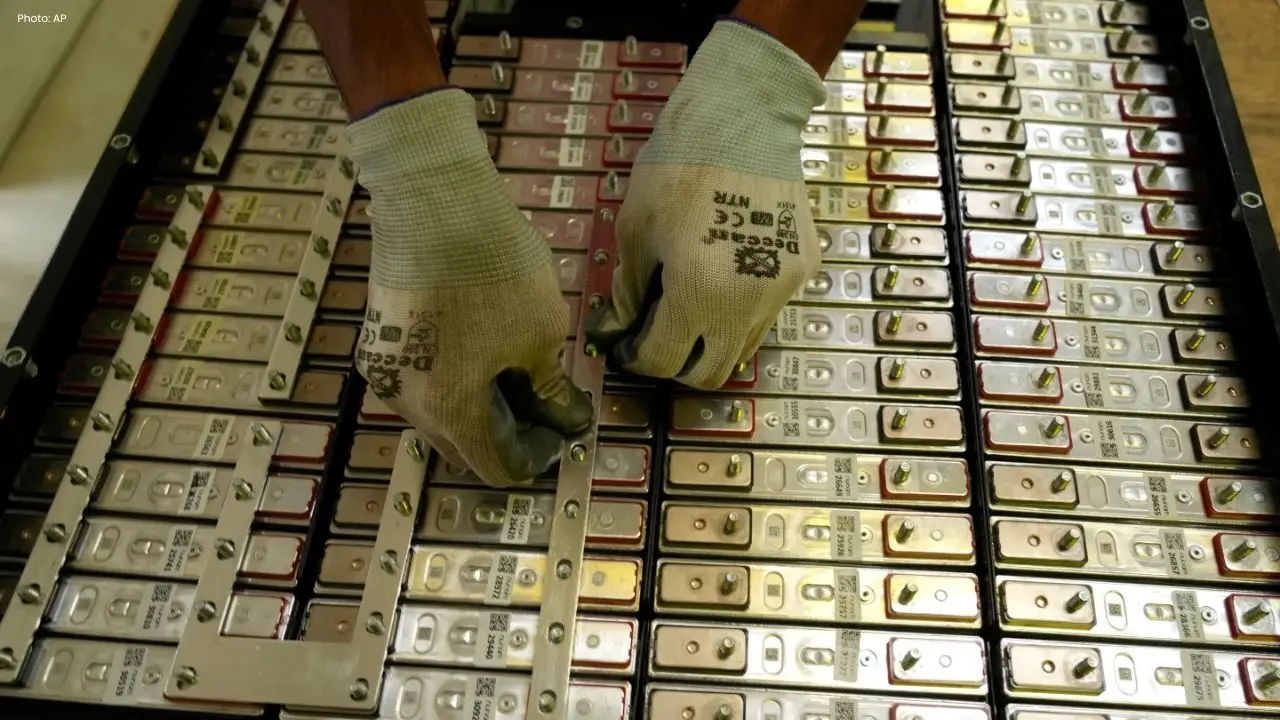
India is increasingly focusing on battery recycling as a critical component of its clean energy strategy. With the rise of electric vehicles, smartphones, and renewable energy systems, the demand for essential minerals like lithium, nickel, and cobalt is skyrocketing. This mounting reliance presents both a substantial challenge and a noteworthy opportunity: the establishment of a robust recycling ecosystem that bolsters local manufacturing and diminishes dependence on imports.
Over the past ten years, a vibrant yet still-growing battery recycling sector has started taking shape in India. These enterprises are involved in collecting used lithium-ion batteries and other types, reclaiming valuable metals, and reintegrating them into the supply chain for use in electric vehicles, consumer goods, and renewable energy storage systems. The model is straightforward yet transformative: extract, refine, and reuse materials that would otherwise be imported at a premium cost.
Rajat Verma, the founder of Lohum Cleantech in Noida, expresses a clear vision: if India can replicate the achievements seen in copper and aluminum recycling—where over 40% of needs are satisfied domestically—it could significantly lessen its reliance on imports of lithium, cobalt, and nickel. This objective aligns with India’s broader ambition of cultivating a robust domestic clean energy sector while mitigating exposure to external supply shocks.
A recent report from renewable energy think tank RMI highlights this potential, estimating that a well-developed recycling and repurposing market could fulfill nearly 40% of India's mineral requirements and create 100,000 green jobs. Furthermore, the industry could expand into a $9 billion sector as battery demand escalates, especially in the electric mobility realm. With India’s EV market growing and solar power expansion ramping up, the volume of used batteries is expected to soar in the coming years.
Current Challenges: Opportunity Amidst Fragmentation
Despite the progress, challenges abound. India currently holds an estimated recycling capacity of 60,000 tons, much of which remains underutilized. A primary obstacle is the absence of an organized supply chain for collecting, sorting, and efficiently supplying discarded batteries. Unlike many developed countries, India's recycling sector operates largely in the informal space. Millions of scrap workers work without formal contracts or training, handling diverse materials from metals and plastics to electronic waste. Transitioning this workforce into an organized framework is essential.
While the informal sector plays a critical role in waste collection today, a lack of structured channels or incentives results in considerable recycling value going untapped. Moreover, informal practices pose environmental and labor safety risks. Given the hazardous nature of battery components, unregulated processing can threaten both worker safety and community health.
Policy Aspirations vs. Ground Realities
India has introduced significant policies to regulate battery disposal and promote recycling, notably with the 2022 Battery Waste Management Rules, which established recycling targets and penalties for non-compliance.
However, the implementation remains inconsistent.
Companies are tasked with building their own recycling networks, and without a cohesive infrastructure—such as centralized collection facilities, transportation frameworks, or certified waste disposal centers—the enforcement of these regulations becomes challenging. Experts assert that although the regulatory foundation is solid, the lack of operational frameworks hampers effectiveness. This disconnect between policy goals and on-the-ground execution presents a substantial bottleneck.
Energy analyst Jaideep Saraswat points out that while India has made rapid strides on paper, establishing a functioning supply chain—from collection to processing to repurposing—is a far more gradual process.
Understanding the Recycling Process: Value and Risks
Electric vehicle batteries are sizable and heavy, but they provide substantial recovery value. Up to 90% of essential materials can be extracted if processed appropriately. Common methods include:
-
shredding battery modules into powder, followed by chemical separation
-
smelting, where high temperatures extract metals for further refinement
Once processed, recycled materials can rival the quality of newly mined metals. Additionally, there’s the option of repurposing: batteries that fall short of vehicle standards can be tested and reused for stationary energy storage, catering to the needs of homes and renewable energy systems.
Nevertheless, the process carries inherent risks.
Unregulated or improvised recycling can emit toxic fumes, produce contaminated wastewater, and generate hazardous waste. Industry leaders caution that illegal or low-budget operators sometimes cut corners, jeopardizing worker safety and the environment. Some recyclers contend that cleaner methods incur higher costs and limited recognition in the Indian market, hindering investment.
International Landscape: The Mineral Conflict
On the global stage, lithium, nickel, and cobalt are strategic resources. China dominates the mining and refinement sectors, making nations like India reliant on Chinese supply lines. Presently, India has no major lithium mines operational and leans heavily on imports.
Recycled resources offer not only cost advantages but also geopolitical significance. Developing domestic capabilities diminishes vulnerability to geopolitical strains and aligns with India’s vision of becoming a leader in electric mobility and clean technology.
Industry experts advocate for a methodical approach. For instance, China views recycling as a strategic necessity, often accepting losses in this space to fortify its broader supply chain. A comprehensive perception—considering recycling as part of the overall value chain rather than an isolated operation—may aid Indian enterprises in scaling sustainably.
The Way Forward: Structure, Incentives, and Innovation
India needs a cohesive approach at this juncture:
-
formalizing the informal workforce
-
developing collection and logistics systems
-
incentivizing eco-friendly practices
-
enhancing coordination between state and federal entities
-
providing support to local recyclers in terms of financing and technology
RMI specialists highlight the importance of worker training and government backing for companies committed to formal employment and environmentally sound operations. They argue that success will hinge on acknowledging both the risks and rewards associated with batteries.
Experts project optimism for India’s future. Entrepreneurs like Lohum’s Verma are confident that with stable policies, tech adoption, and investment, India can cultivate several key enterprises in this sector, potentially rendering recycling a linchpin of its clean energy trajectory.