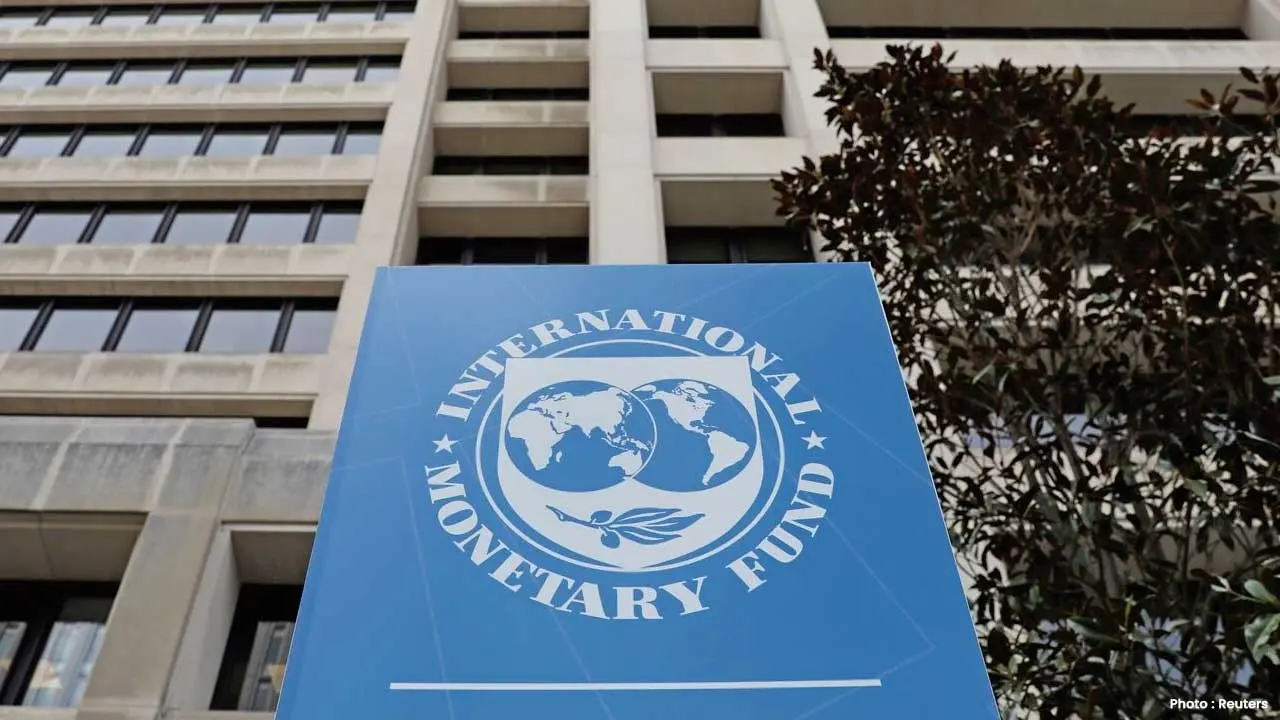
In a significant move, the International Monetary Fund (IMF) has granted Pakistan an additional $1.2 billion loan, providing much-needed relief as the nation works to overcome its recent economic crisis. This announcement was made on Tuesday, following the successful completion of two evaluations of Pakistan’s economic strategies by the IMF’s executive board, which resulted in the release of about $1 billion from the primary loan program and another $200 million dedicated to climate initiatives.
This latest approval brings the total financial support from the IMF to approximately $3.3 billion since last year. Under the terms of the loan agreement, Pakistan is set to receive disbursements over a 37-month period, contingent upon adherence to the stipulated IMF conditions. Historically, Pakistan has depended on international loans, including IMF assistance, to fulfill its financial needs during tough economic times.
Prime Minister Shehbaz Sharif lauded the IMF's decision, highlighting it as acknowledgment of the administration's reform efforts and the effective application of measures endorsed by the IMF. He emphasized that the approval is indicative of Pakistan’s strides toward economic stabilization, particularly following last year’s near-default situation. Sharif also commended army chief Field Marshal Gen. Asim Munir and Finance Minister Muhammad Aurangzeb for their contributions to advancing the government's reform strategy.
The IMF’s statement noted that despite global and domestic adversities, including severe flooding earlier this year, Pakistan has made significant headway in stabilizing its economy. Improvement metrics included a stronger fiscal position, increased foreign exchange reserves—which have reached $14.5 billion—and early signs of economic growth. Although inflationary pressures have risen in relation to food price hikes following the floods, the IMF anticipates a moderation in inflation as conditions stabilize.
The bailout approved for 2024 focuses on strengthening Pakistan’s foreign reserves, enhancing the tax system, and reforming state-owned entities, notably in the energy sector. This includes the earlier-approved climate fund aimed at improving disaster response, efficient water management, and financial reporting concerning climate actions.
IMF Deputy Managing Director Nigel Clarke stressed the necessity for Pakistan to maintain fiscal discipline amid a volatile global economic scenario. He commended the government’s resolve to meet budget objectives for the upcoming year while handling flood-related recovery. Clarke further urged Pakistan to sustain a tight monetary policy, allow for a flexible exchange rate, and expedite overdue energy sector reforms to secure sustainable growth.
Prime Minister Sharif characterized Pakistan’s reform and digitization initiatives as a notable global model, yet warned that transitioning from economic stability to enduring growth will necessitate ongoing commitment and meticulous implementation of reform measures.