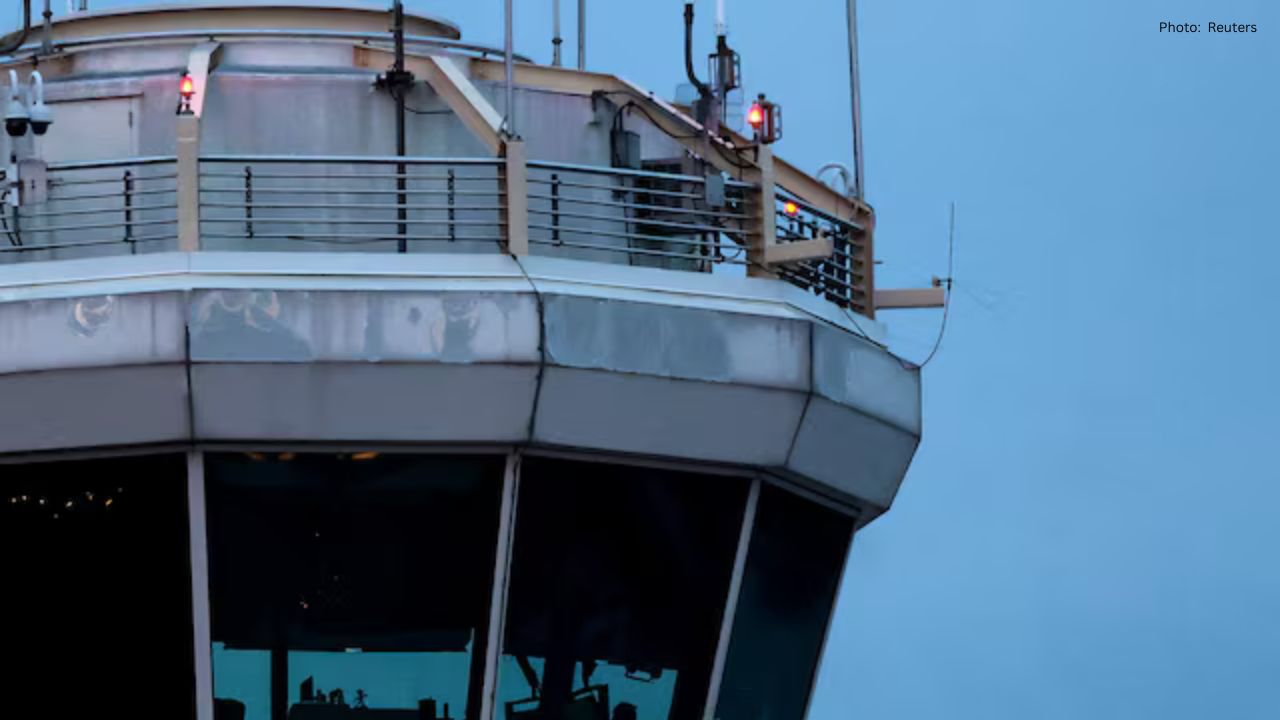
A U.S. House committee is gearing up to vote on legislation designed to safeguard air travel amid government shutdowns. This proposed bill aims to ensure that air traffic controllers and other vital aviation personnel receive their salaries even when the federal government halts operations.
Recent years have seen an uptick in government shutdowns, primarily due to budgetary disagreements. During these periods, numerous federal employees face furloughs or work without pay, resulting in air traffic controllers being among those required to work unpaid while ensuring flight safety.
This systemic issue has adversely impacted the aviation sector. The recent 43-day government shutdown left many controllers financially strained and demoralized, exacerbating staffing shortages as some were unable to report to work. In response, the Federal Aviation Administration (FAA) took emergency measures.
On November 7, the FAA limited flight operations at 40 prominent U.S. airports. This led to over 7,000 flight cancellations, affecting approximately 2.3 million passengers. Airlines later reported that the shutdown influenced nearly 6 million travelers and resulted in over 50,000 flight-related issues.
Major U.S. airlines have expressed strong support for the proposed legislation, asserting that maintaining pay for air traffic controllers during shutdowns is critical for safety and operational efficiency. They contend that requiring controllers to work without compensation jeopardizes both workforce welfare and traveler safety.
The FAA justified its flight reduction by citing safety concerns, suggesting it was a necessary decision. FAA Administrator Bryan Bedford informed lawmakers that data indicated heightened safety risks at several busy airports. He emphasized that reducing flight operations during uncertain times was the most prudent option.
Nevertheless, lawmakers have requested the FAA provide comprehensive data to clarify its findings. Some congressional members are eager to prevent similar disruptions during future shutdowns. Additionally, the FAA has initiated investigations into airlines that may not have adhered to flight reduction mandates.
The committee is also preparing to evaluate several other transportation-related initiatives. One bill proposes that the FAA establish regulations for supersonic passenger flights by April 2027. Proponents believe this could significantly shorten flight durations across the U.S. to under four hours.
Conversely, skeptics caution that supersonic aircraft may lead to noise pollution and environmental issues. In 1973, overland supersonic flights were banned due to concerns about sonic booms and potential hearing damage.
Moreover, the committee will discuss plans to relocate the FBI headquarters to a new facility in Washington, with costs expected to exceed one billion dollars. This initiative has already faced legal challenges from Maryland.
In summary, the imminent vote reflects lawmakers’ commitment to addressing critical vulnerabilities in the nation’s transportation infrastructure. The bill protecting air traffic controller salaries is a necessary step to prevent further travel chaos.
By guaranteeing compensation for essential aviation staff during shutdowns, Congress aims to bolster public safety, minimize flight cancellations, and rebuild trust in air travel during politically tumultuous periods.