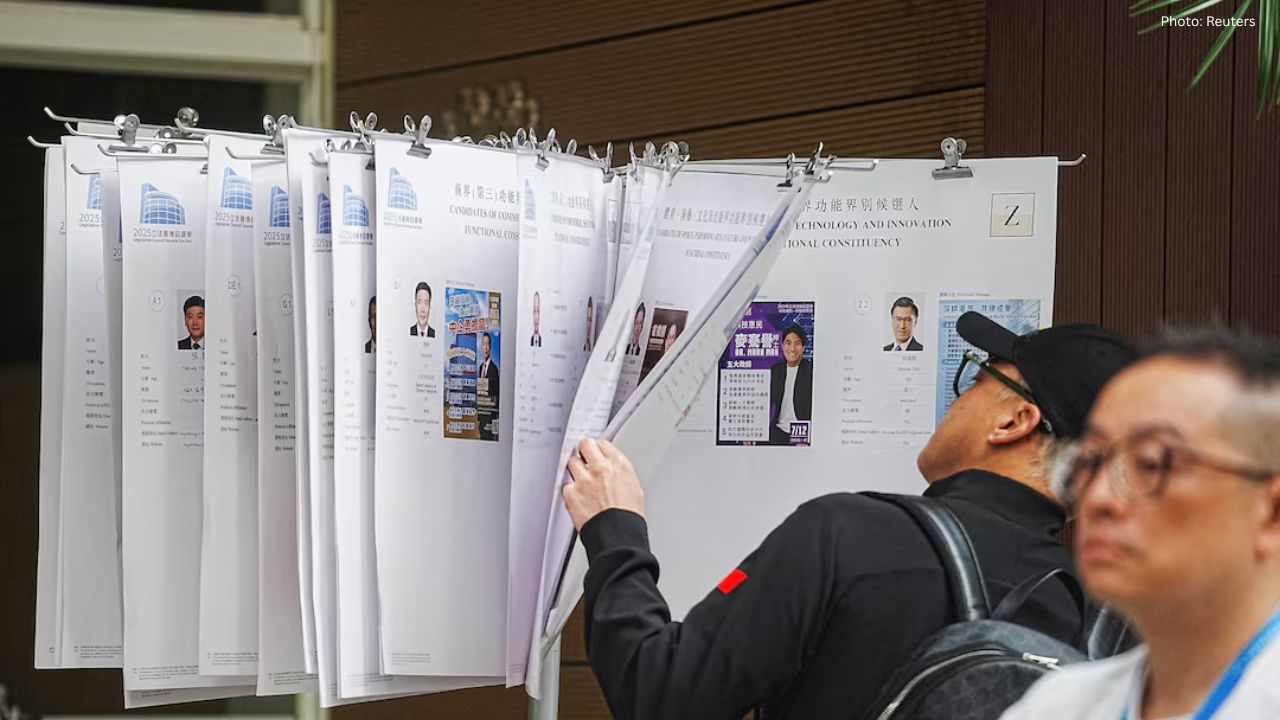
Hong Kong's recent legislative elections reveal significant fractures in public confidence, with turnout plummeting to near-record lows after the city's deadliest fire in nearly 80 years. The prevailing sentiment has been shaped more by sorrow, frustration, and anxiety than political discussion, following a tragedy that claimed the lives of at least 159 individuals.
This election recorded a turnout of 31.9%, a slight uptick from the previous election in 2021. However, the total number of votes cast was lower than that of four years prior, indicating that the marginal increase in percentage didn't translate into genuine civic participation. Many citizens opted out of voting, not due to apathy, but stemming from a profound sense of disenchantment.
A significant factor behind this discontent is the electoral structure itself. Of the 90 legislative seats, only 20 are directly elected by the populace, while the remainder are filled by a committee predominantly composed of individuals loyal to Beijing or affiliated with influential interest groups. Only candidates deemed as 'patriots' were permitted to run, effectively sidelining those advocating for a stronger democratic framework.
The catastrophic fire on November 26 dramatically altered the public landscape. Flames consumed seven residential towers in Tai Po, taking close to two days to extinguish and displacing countless families. Officials later disclosed that sub-par construction materials used during renovations facilitated the rapid spread of the blaze.
To many locals, this incident was more than just a tragedy; it epitomized a failure of governmental responsibility. Citizens questioned the neglect of safety protocols and why crucial inspections failed to highlight preexisting risks. A local resident, Cheng, a septuagenarian, publicly expressed his disappointment by refraining from voting, voicing his distress and inability to support politicians who neglected the protection of lives.
In lieu of enabling a natural grieving process, authorities opted for actions that heightened public tension. Law enforcement presence surged in affected locales, and tributes left by mourners were unceremoniously removed from a nearby park late at night. This was perceived by many as a move to suppress public sentiment rather than honor it.
Simultaneously, arrests occurred. Four individuals were apprehended for allegedly urging others online to abstain from voting or spoil their ballots, with another person facing similar scrutiny for a social media post. Under new legislation, advocating for a boycott of the election is now classified as an offense. Such measures left many feeling that fear, rather than trust, was being employed to steer public sentiment.
Chief Executive John Lee has vowed to initiate governmental reforms and bolster safety standards within the construction sector. Authorities have announced criminal and corruption investigations aimed at finding those accountable for the calamity. Although these commitments sound substantial, skepticism remains among residents, who are eager for genuine accountability rather than mere rhetoric.
The intersection of this election and the fire has emerged as a significant benchmark for Beijing's governance over Hong Kong. Following the widespread protests of 2019, robust national security laws were implemented, reshaping the city's political climate and electoral processes. Prominent pro-democracy figures have largely been ousted from the political arena, leading many citizens to feel increasingly voiceless.
The declining figures of registered voters paint a poignant picture, with fewer individuals maintaining their registration each year since 2021. This steady withdrawal from the electoral landscape conveys a muted but clear message of disillusionment and despair.
Democracy transcends mere voting; it encompasses the notions of being heard, safe, and assured that leaders genuinely care for the populace. When trust erodes, elections degenerate into hollow ceremonies, devoid of real choices.
Hong Kong currently stands at a critical juncture in its history. Recovery cannot be achieved through arrests or stringent regulations but must arise from transparency, humility, and recognition of the public’s grief and perspective.