Photo:AP
Hamas Signals Readiness Following U.S.-Backed Ceasefire Proposal
Hamas announced that it had submitted a response "in a positive spirit" to a U.S.-brokered 60-day ceasefire proposal for Gaza. The group's reply was delivered via mediators Qatar and Egypt, signaling immediate readiness to begin discussions on implementing the truce. The initiative—labeled a "final proposal" by former President Donald Trump—offers a structured pathway toward ending nearly 21 months of conflict.
Ceasefire Conditions and Diplomatic Backdrop
The proposed ceasefire envisions a two-month halt in hostilities, coupled with a phased release of hostages in exchange for Palestinian detainees. Key elements include Israeli withdrawal timelines and guaranteed delivery of humanitarian aid, with Rafah crossing access central to aid logistics. Hamas emphasized the need for concrete guarantees concerning troop withdrawal, humanitarian corridors, and secure Israeli territories free from military operations.
Despite Hamas’s positive response, Israeli Prime Minister Benjamin Netanyahu has not issued a formal reply. Israel continues to insist that Hamas must be fully disarmed before any ceasefire can be considered, maintaining a hardline position that could pose a major hurdle to negotiations.
U.S. Role and Political Stakes
President Trump welcomed Hamas's positive tone, expressing optimism that a deal could be finalized soon. Speaking aboard Air Force One, he stated that discussions could yield results within the next week, though he noted he had not yet received a full briefing on the negotiations.
Washington’s mediation efforts mark an assertive turn in U.S. involvement—aiming to balance Israeli security concerns with growing international calls for humanitarian respite. Trump has indicated he will press Prime Minister Netanyahu directly, underscoring the urgency of reaching an agreement in the near future.
Regional and On-the-Ground Realities
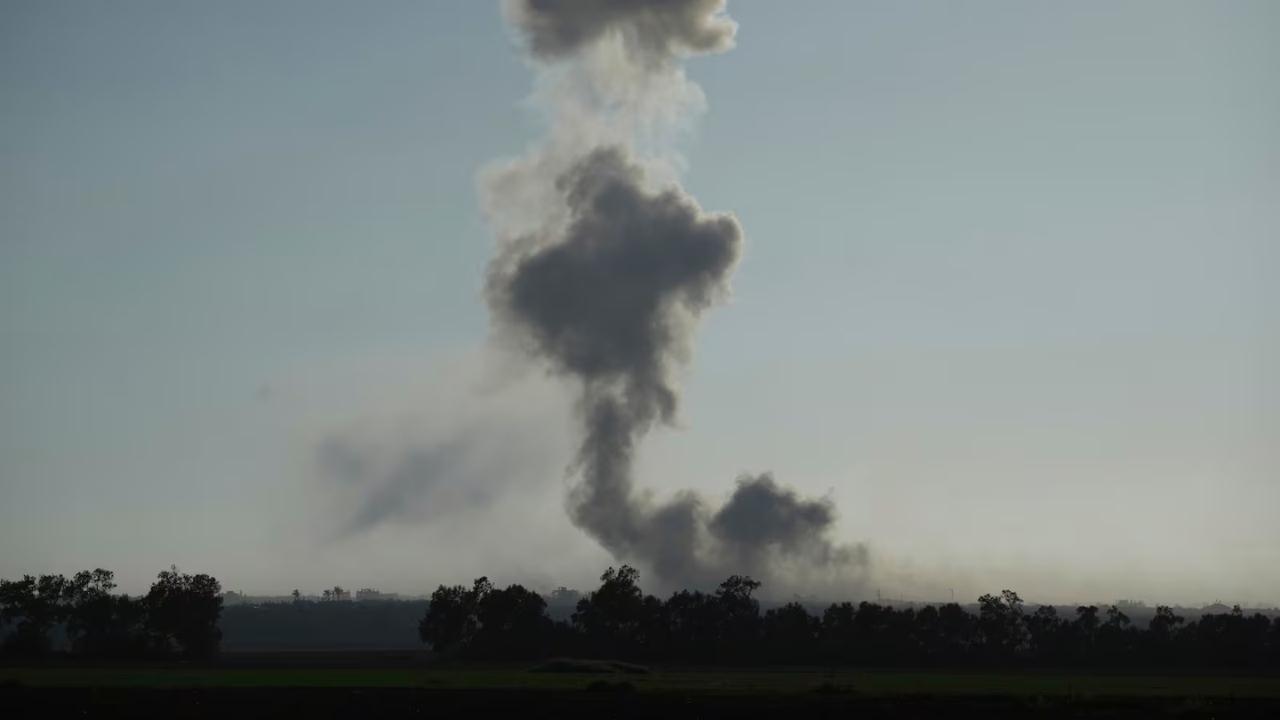
Meanwhile, Israeli airstrikes and ground incursions continue across Gaza. The conflict has resulted in over 57,000 Palestinian deaths and continues to produce devastating civilian harm. Aid deliveries remain sporadic, and crossings like Rafah and Kerem Shalom are severely constrained, exacerbating the humanitarian crisis.
On the Palestinian side, health officials report ongoing suffering, including recent deaths in overcrowded hospitals, attacks on aid lines, and critical shortages of fuel and medicine. The human toll amplifies pressure on all parties to find a diplomatic exit before mounting casualties further erode regional stability.
Next Diplomatic Steps
With Hamas’s reply received, officials expect Israel to submit its formal response in the coming days. If both sides agree in principle, indirect negotiations under Egyptian or Qatari auspices would follow, focusing on details of prisoner releases, aid access, withdrawal mechanisms, and provisions for long-term peace assurances.
Simultaneously, U.S. and Israeli officials will engage in trilateral discussions—likely involving Trump's envoy and Netanyahu’s advisors—to coordinate terms and reinforce procedural credibility.
What This Means for Peace Prospects
Hamas’s concurrence marks a rare moment of alignment among key stakeholders. If Israel reciprocates, a feasible ceasefire may be within reach—a potential turning point in a conflict that has paralyzed the region.
However, the divergence between Hamas's openness and Israel’s demand for total disarmament and group elimination means negotiations will be delicate. The next few days—as diplomatic consultations unfold, and international leaders mobilize—will determine whether this moment evolves into lasting calm or fizzles amid entrenched mistrust.
Final Take
Hamas’s willingness to engage “in a positive spirit” today highlights both the human desire for relief in Gaza and a strategic patience from all sides. With U.S. mediation, Qatari and Egyptian diplomacy, and mounting international pressure, a temporary ceasefire seems within grasp.
Yet without clear Israeli agreement and enforceable safeguards—on troop drawdowns, aid, and hostages—challenges remain profound. The world now watches as negotiators attempt to bridge competing visions with the hope that earnest diplomacy can, at last, contain this prolonged conflict.