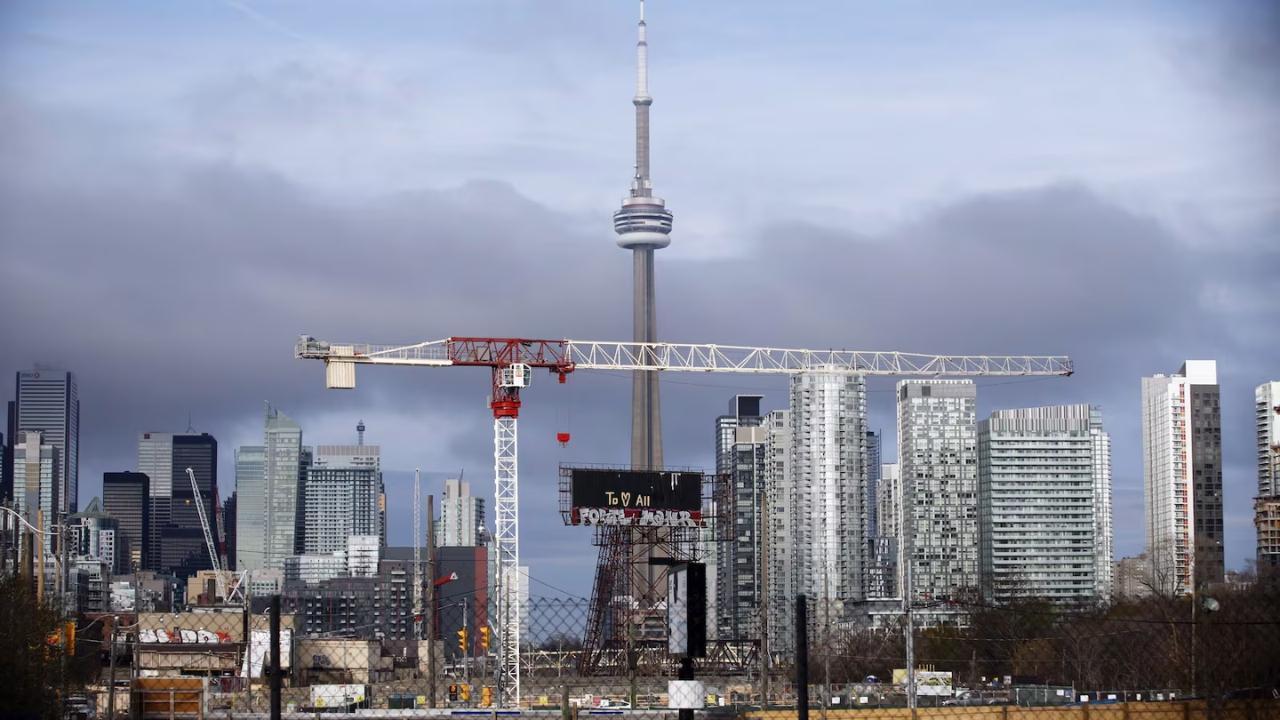
Photo:AP
A Downturn That Is Really Starting to Wreck Havoc: New Condo Sales in the GTHA Continue Decline
The Greater Toronto and Hamilton Area (GTHA) condo market is experiencing an unprecedented slowdown as buyer interest wanes, developer confidence falters, and multiple projects are being formally cancelled. This trend marks a reversal from earlier years of frenzied construction and runaway pricing, leaving potential homeowners, renters, and the region’s economic landscape facing uncertain times.
From Boom to Bust: Developers Shift Gears
Once a booming sector, Toronto-region condo development has been a cornerstone of the GTHA’s growth. Since the mid-2010s, tens of thousands of new units have been added annually, reshaping downtown skylines, funding transit-oriented projects, and providing access to homeownership for many. Investors—domestic and foreign—poured money into pre-construction sales, betting on continuous appreciation.
Now, many of those same investors are pulling back. Recent data shows sales for new condos in May dropped to 1,115 units, down nearly 53% year-over-year. Low pre-construction take-up has made financiers and lenders uneasy, with many requiring 70% pre-sales before funds are released. When buyers fail to show, projects face delays—or cancellation.
Headline Risk: Projects Cancelled, Deposits Refunded
According to real estate boards, developers have recently canceled at least four major condo projects in the GTHA and paused numerous others. One large Toronto development, planned for over 800 units, was called off in late June after selling under 20%. Buyers are now in limbo—facing refund delays, interest payment uncertainty, and reluctance for new purchase commitments.
This wave of cancellations is unique in recent history. Usually, cash-rich developers simply hold projects until markets recover. But with rising borrowing costs, inflation, and diminished sales velocity, even seasoned players are retreating.
Economic Triggers Behind the Downturn
-
Rising Interest Rates: After years of ultra-low borrowing, the Bank of Canada has raised rates to above 4% to combat inflation. Mortgage stress tests have also tightened, reducing eligibility and buyer capacity. Developer financing costs have climbed—making new builds less profitable.
-
Escalating Construction Costs: Labour shortages, high material prices (steel, lumber, glass), and global supply disruptions have raised per-unit costs in the 20–30% range since 2020. These costs have squeezed margins or forced price premiums that deter price-sensitive buyers.
-
Tax Measures and Foreign-Buyer Deterrents: Multi-tiered taxes—such as the 15% foreign-buyer tax, Airbnb-related regulation, and property-flipping levies—have cooled speculative purchases, especially among non-resident investors. While intended to stabilize markets, these measures have dampened demand as well.
-
Investor Fatigue and Market Saturation: With an estimated 80,000+ condos under construction, supply concerns are rising. Buyers already awash in options are deferring purchases, worried about future oversupply, reduced rental appeal, and declining values.
Social Impacts: What Residents and Renters Face
For many residents—especially first-time homebuyers—the condo slump means fewer choices and greater uncertainty. Affordability, once seen as a benefit of smaller units, is now threatened by project delays and financing constraints. Some risk being priced out entirely.
Renters in completed buildings may face slower rent growth, but this benefit comes with downsides: unfinished shared amenities, unfinished landscaping, and maintenance funded at baseline levels due to lower association budgets. Municipalities also risk delayed public infrastructure tied to developer deposits and development charges.
Developers: Between Adaptation and Exit
Faced with stalled sales and financial pressure, developers are responding in varied ways:
-
Pause and Pivot: Some are converting from high-rise proposals to mid-rise or boutique units with lower density.
-
Extended Timelines: Rather than canceling, others are extending leasing periods and delaying ground-breaking timelines by months or years to wait for market recovery.
-
Asset Line Retrenches: A few outstanding names in the industry are shifting focus to rental build-to-rent projects or consolidating assets by selling off pre-sold units.
Some may opt to exit the condo space entirely—especially those with misaligned land acquisition costs or tight financing terms.
Municipal Repercussions and Policy Responses
Municipalities reliant on development charge revenues are bracing for tax shortfalls as high-density condo projects are halted. Public transit expansion plans—often funded in part by developer fees—are also under pressure for delays or budget cuts.
In response, Mayor Olivia Chow’s interim Toronto team is considering flexible approaches: adjusted timelines for site plan approvals, incentives for build-to-rent schemes, and expedited routing for mixed-use projects. Some municipalities are exploring temporary fee deferrals tied to rising costs—a strategy to keep shovel-ready projects moving.
The provincial government is reportedly exploring targeted loan guarantees or low-rate infrastructure bonds to support stalled projects deemed critical to housing supply and urban renewal.
Financial Sector Reassesses Condo Risk Profiles
Banks and lenders are revisiting risk assessments. Loan-to-value thresholds for pre-construction mortgages have come down, and holdback requirements have increased. Lenders are also scrutinizing developer financials and track records before approving new projects.
Concerns surface over higher interest coverage ratios on commercial loans tied to the sector—requiring stronger equity stakes or guarantors from developers. A strong credit history and clean delivery record have become non-negotiable.
Broader Market Implications and Possible Recovery Paths
With the condo sector cooling sharply, the broader real estate landscape may rebalance toward resale homes and rental units. Homes in suburban areas with lower prices may see sustained interest, while rental markets offer more stable returns as investors shift strategy.
A lasting recovery in the condo sector could stem from:
-
Lower Interest Rates: If inflation slows, the Bank of Canada may reverse or pause rate hikes—bolstering buyer confidence.
-
Upside in Employment and Immigration: The GTHA continues to see robust population growth, which Indo-Pacific immigration bolsters. This strong demand foundation could restart pre-construction interest.
-
Policy Support: Provincial or federal incentives for new-build rentals—like tax relief or grants—could offset some of the financial risk for developers.
Risk Factors That Could Stall Recovery
Several uncertainties loom:
-
Sustained inflation could prevent mortgage costs from dropping in the near term.
-
Prolonged global economic slowdown could dampen migration-driven housing demand.
-
Continued supply chain disruptions or labour gaps could stall new builds even after sales recover.
-
Construction pension or labour disputes could delay projects or raise costs.
Regional Ripple Effects in the GTHA
While core Toronto districts are most impacted, the slowdown also affects nearby cities like Mississauga, Brampton, Hamilton, and Vaughan. The ripple effects include:
-
Transit-Oriented Development Slowdowns: Many condo projects tied to new light rail systems are now paused, delaying integration with GO Transit and municipal plans.
-
Employment Adjustments: Construction workers, from site managers to tradespeople, are facing layoffs or project abandonment—driving requests for unemployment support or retraining programs.
-
Commercial Ties: Office and retail tenants in condo-heavy areas may face delays, affecting tenant mix and pedestrian economies.
Developer Survival Strategies and Industry Outlook
Industry insiders suggest some survival strategies:
-
Deferred delivery: Slowing construction to align with market absorption can provide margin control.
-
Relaunch incentives: Including early-bird pricing, larger deposits, or rental guarantee programs to woo buyers back.
-
Refinancing: Replacing construction debt with longer-term loans or equity partners to reduce financing pressure.
Larger players with cash reserves and strong lending relationships—like First Capital REIT, Madison Group, or Woodbourne—may emerge more resilient. Smaller developers, however, face tougher challenges as they often rely on continuous project cycles.
Experts’ Views on a Turning Point
Construction-focused economists point out that the pre-sale requirement that makes condo financing possible is now a double-edged sword: It ensures initial confidence but can force disastrous cancels when sales lag. Though painful, the collapse is seen by some as overdue market correction. Condos may return as an accessible homeownership option once prices and demand stabilize.
Others warn: If the slowdown extends into 2026 without fiscal relief or rate cuts, the sector could face chronic underbuilding—pushing overall prices up and exacerbating housing affordability issues.
Conclusion: Turning Pain into Potential
The GTHA condo market is undergoing a dramatic adjustment. What just months ago was seen as unstoppable growth has folded under the weight of higher borrowing costs, cost overruns, and diminished interest. Developers are cancelling projects, municipalities are scrambling to stabilize revenues, and borrowers are shifting focus.
Yet, within this downturn lies potential for healing. As the market stalls, it opens opportunities for more balanced growth—resurgence in rental product, innovation in housing types, and thoughtful urban planning. With support, calm interest rates, and moderating inflation, the condo sector may find its footing again—smaller, smarter, and more sustainable.
But the next year will determine resilience. If the market stabilizes, the current correction may prove healthy; if not, fallout could ripple across Canada's entire housing ecosystem—from construction employment to affordability and regional development.