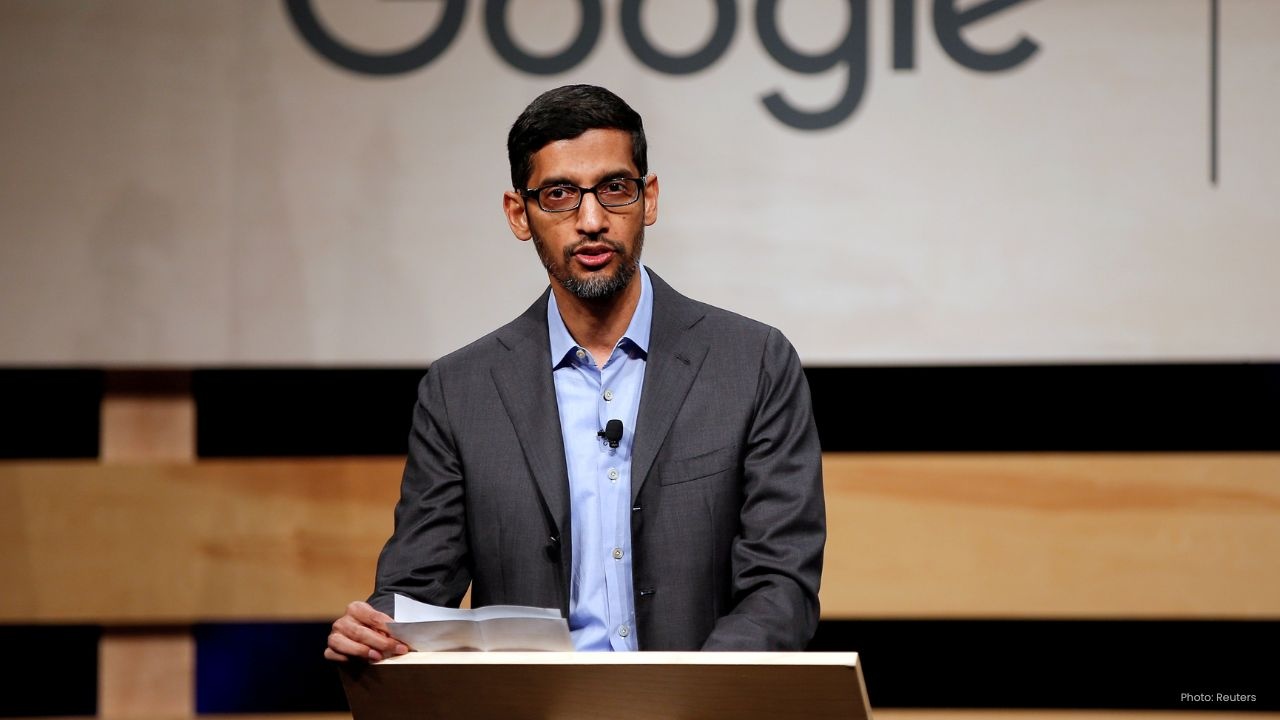
The rapid influx of investment in artificial intelligence (AI) has ignited both enthusiasm and trepidation in the technology sector. Sundar Pichai, CEO of Alphabet — the parent company of Google — has recently expressed concerns regarding the risk of an AI bubble that could impact all companies, including Google.
With the AI industry's valuations and investments witnessing a meteoric rise, Alphabet’s market capitalization has surged to $3.5 trillion in just over half a year. Simultaneously, Nvidia, a key player in AI chip manufacturing, achieved a staggering $5 trillion valuation. Such swift growth has prompted many industry experts to question whether expectations are becoming overly optimistic.
Pichai referred to this AI surge as an “extraordinary moment” but acknowledged signs of “irrationality” amid the hype. He compared the current situation to the late 1990s dotcom bubble, suggesting that the influx of AI investments could potentially overshoot before stabilizing into more prudent growth. Nevertheless, he retains faith in the long-term importance of AI advancements.
According to Pichai, Google's unique strategy allows it to operate with a comprehensive technology stack — from creating custom AI chips to managing data and developing advanced models — making Alphabet more resilient to market variability compared to those reliant on external resources.
Investment and Growth Beyond U.S. Borders
Alphabet's ambitions reach beyond the United States. The company has announced a **£5 billion** investment in the UK over the next two years, aimed at boosting AI research and infrastructure. This initiative includes expanded operations at DeepMind, Google's premier AI research lab situated in London, as well as training AI models locally—vital steps for positioning the UK as a pivotal player in the global AI arena.
Environmental Concerns and Sustainability Goals
Despite the flourishing AI landscape, Pichai underscored growing unease about the significant energy consumption associated with the technology. AI accounted for approximately **1.5%** of global electricity last year, with projections indicating a rise in demand. This escalating consumption has complicated efforts to meet Alphabet's climate targets, although the company remains dedicated to achieving net zero emissions by 2030 through innovative energy solutions.
Changing Workforce Dynamics and AI’s Societal Impact
The AI revolution is set to transform work dynamics. Pichai referred to AI as “the most profound technology” humanity has ever created, acknowledging that it will present challenges as well. With certain roles evolving, workers will need to adapt by effectively learning to use AI technologies. Those embracing the change are anticipated to flourish in their careers, while traditional jobs like teaching and medicine will continue but will require the integration of new AI-driven skills.