A significant global shortage of memory chips is impacting artificial intelligence, consumer electronics, and tech industries, compelling companies to vie for scarce resources. Prices for these crucial components—integral for data storage in devices—have escalated sharply. Retailers in Japan have begun to cap the quantity of hard drives customers can purchase, while Chinese smartphone manufacturers are forecasting increased costs. Leading tech entities like Microsoft, Google, and ByteDance are collaborating with chip manufacturers such as Micron, Samsung Electronics, and SK Hynix to secure memory supplies.
The shortage impacts virtually every memory type, from flash chips in smartphones and USB drives to high-bandwidth memory (HBM) critical for AI processors. According to TrendForce, prices in some sectors have more than doubled since February. Traders predict that prices may keep climbing. Economists caution that this shortage might hinder AI-driven productivity advancements and stall significant digital infrastructure projects. The ongoing crisis might also elevate inflationary pressures in economies already grappling with price hikes.
The supply crunch stems from unprecedented demand for advanced memory in AI, notably from Nvidia and tech powerhouses like Google, Microsoft, and Alibaba. Chip manufacturers are prioritizing high-margin products such as HBM for AI applications, which has hindered the availability of standard memory for smartphones, PCs, and consumer devices. By October, inventory levels for DRAM—the primary memory type utilized in computers and phones—had dwindled to two to four weeks, down from 13 to 17 weeks in late 2024.
SK Hynix has indicated that this shortage might stretch until late 2027. Both Samsung and SK Hynix are ramping up investments in production capacity, but it will take years to accommodate the escalating demand. OpenAI has also forged agreements with Samsung and SK Hynix for chip supplies for its Stargate initiative, anticipated to require double the current global output of HBM by 2029.
Chinese firms like Alibaba, ByteDance, and Tencent are also vying for priority access to memory chips. In Tokyo, electronics retailers like the PC store Ark have implemented purchase restrictions to curb hoarding. The price of 32GB DDR5 memory kits has soared from around ¥17,000 in October to over ¥47,000, with 128GB kits doubling to approximately ¥180,000.
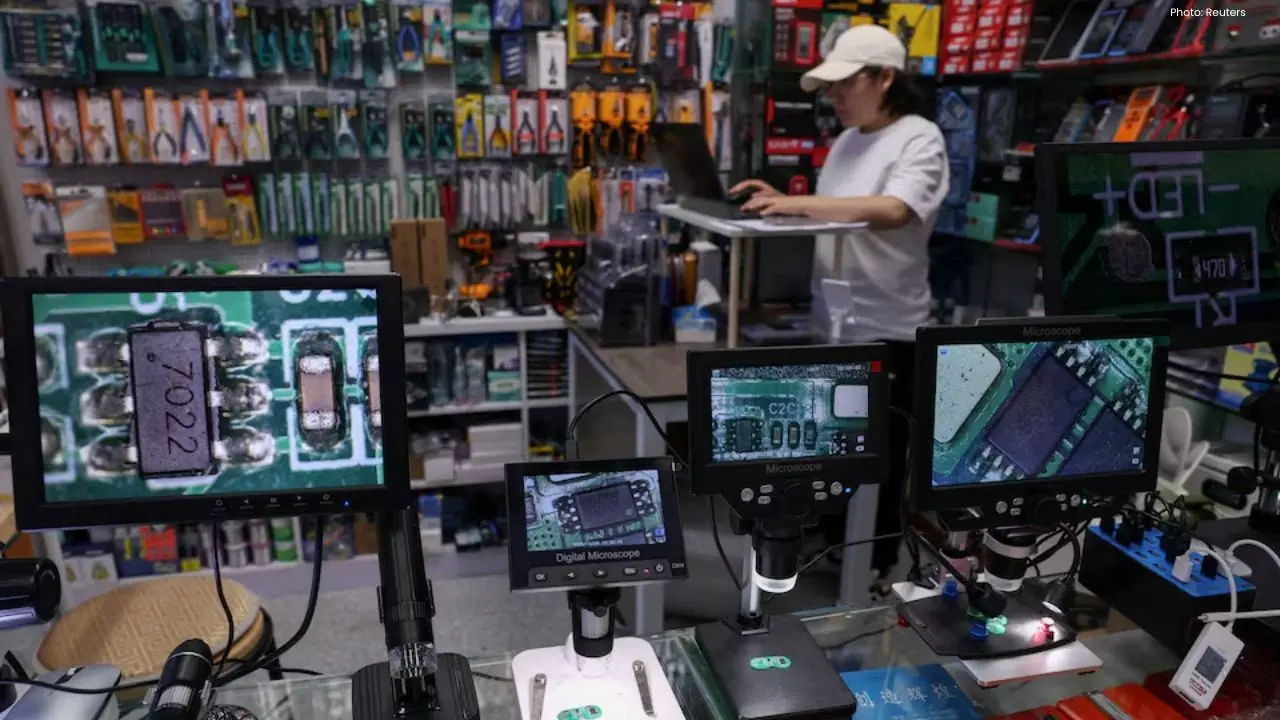
Smartphone manufacturers, including Xiaomi and Realme, warn that surging memory prices might necessitate phone price hikes of 20% to 30% by mid-2026. PC makers are similarly challenged; Taiwanese laptop brand ASUS reports maintaining only about four months of inventory. Distributors and brokers are rapidly responding to price fluctuations, occasionally revising quotes daily or even hourly. The shortage has even spurred growth in the secondhand market for memory chips, with sales rising sharply due to increased demand.
This global memory chip scarcity is transforming the technology landscape, affecting AI initiatives, smartphones, PCs, and consumer electronics. The market faces soaring costs, restricted supply, and mounting pressure on tech companies to secure essential components. Even as chip manufacturers boost production, solutions will take years, suggesting that shortages and high prices are likely to persist well into the future.