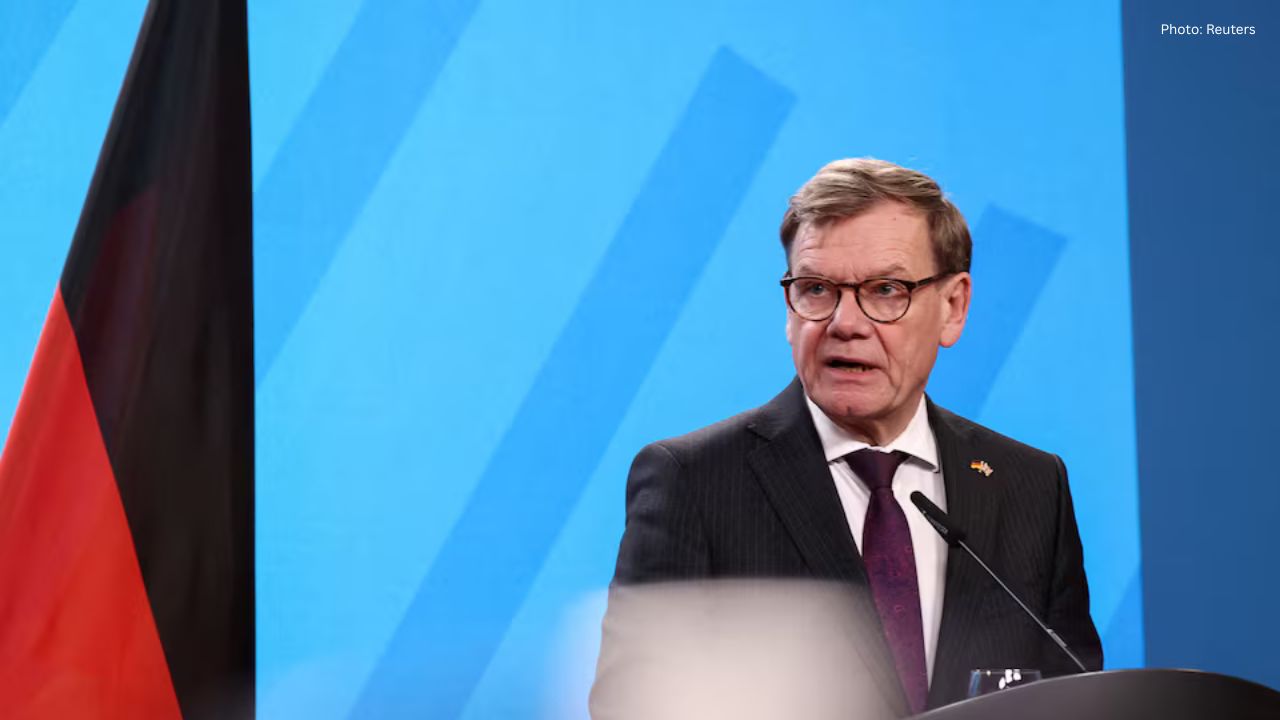
Germany is navigating its complex relationship with China as Foreign Minister Johann Wadephul heads to Beijing. The timing of this visit is crucial, as Berlin is tightening its stance on trade and security matters concerning China. This trip emphasizes Germany's commitment to safeguarding its interests while maintaining dialogue.
Wadephul had previously delayed his visit in October due to a lack of confirmed meetings from China. However, this time he is scheduled to engage with key Chinese figures, including the foreign minister, trade minister, and senior Communist Party officials. He will also stop in Guangzhou, one of China's largest manufacturing hubs.
Germany insists on equitable treatment in economic relations, notably because its industries rely on essential materials like rare earth metals and semiconductors, sectors where China holds a significant global advantage. The German government is advocating for eased restrictions on these critical exports to ensure the smooth operation of its factories.
Moreover, Berlin has introduced a specialized committee to evaluate security risks associated with trade relations with China, signifying a broader strategy to mitigate dependence on Chinese resources. German officials caution that heavy reliance on a singular country poses risks, especially during global crises.
Yet, cautious diplomacy is essential since China remains Germany's leading trading partner. The German automotive, machinery, and chemical sectors are heavily rooted in the Chinese market; any disruption in relations would have adverse effects for both nations. Thus, Germany aims to maintain a delicate balance between assertiveness and openness.
The European Union is also shifting towards a firmer approach, highlighted by the European Commission’s introduction of new measures to counter unfair trade practices, including enhanced duties and actions against dumping and excessive subsidies. Germany is keen for China to recognize that Europe is unified on these matters.
In addition to trade discussions, the trip will focus on global security issues. Germany expects China to leverage its influence over Russia to facilitate a resolution to the ongoing war in Ukraine, as it is one of the few nations capable of pressuring Russia to engage in negotiations.
Negotiations will extend to conflicts in the Middle East and the escalating tensions in the South China Sea, where China’s military expansion has raised alarms among neighboring countries. Germany deems stability and peace in these regions vital for international security.
This visit could pave the way for a future trip by German Chancellor Friedrich Merz next year. Recent visits by European leaders, including French President Emmanuel Macron and German Finance Minister Lars Klingbeil, reflect Europe’s intent to recalibrate its relationship with China towards a more sustainable footing.
Berlin’s message is unequivocal: Germany is open to cooperation, but not at all costs. It desires robust trade accompanied by fair practices, and seeks partnerships that respect international law and human rights.
Navigating this intricate path amidst escalating tensions is challenging yet essential. Dialogue is preferred over conflict, and diplomatic efforts are favored over silence.