Two artificial intelligence companies have unveiled early-stage plans to develop a large-scale data centre south of Winnipeg, powered in part by natural gas turbines, a proposal that is already drawing both interest and concern in Manitoba.
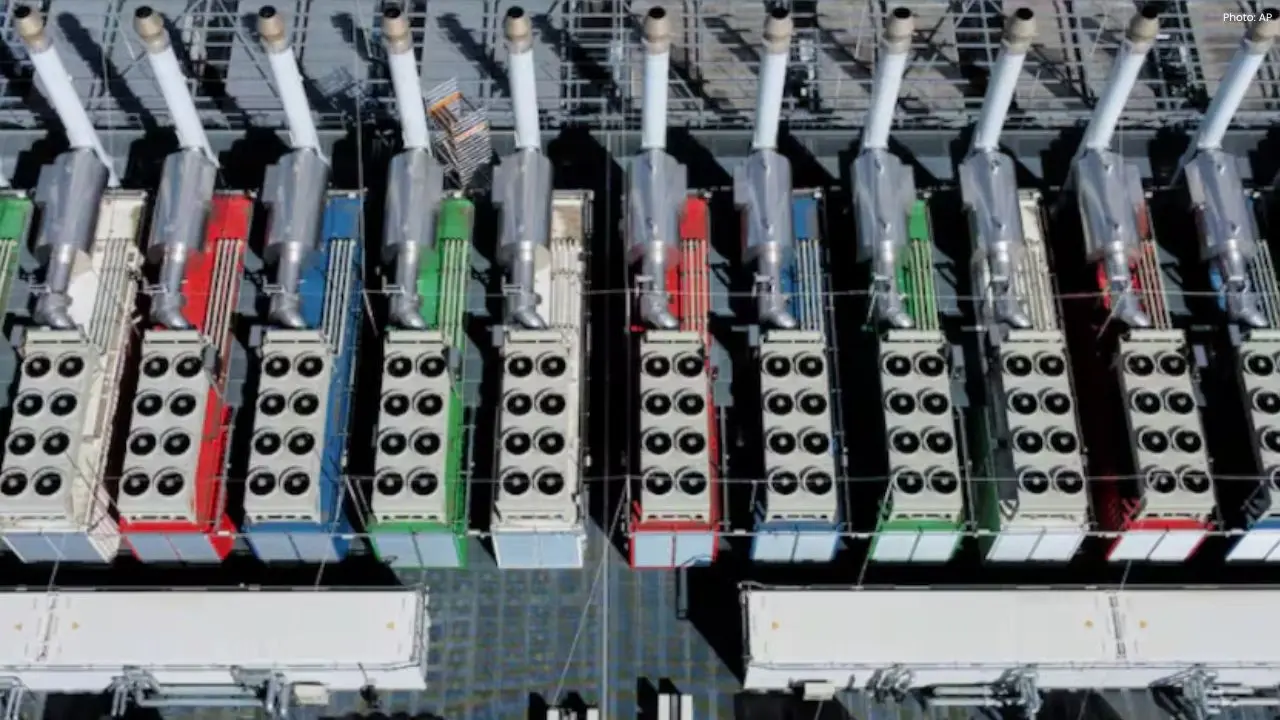
Las Vegas-based Jet.AI and Vancouver-headquartered Consensus Core have informed potential investors that they intend to build an AI-focused data centre on roughly 141 hectares of land north of Île-des-Chênes, within the Rural Municipality of Ritchot. Alongside the data facility, the companies are proposing an on-site natural gas power plant that could include up to six turbines to support the centre’s heavy energy demands.
While no official price tag has been attached to the project, company representatives have described the investment as substantial. Consensus Core CEO Wayne Lloyd said the proposal could position Manitoba as a global player in advanced data infrastructure while delivering economic benefits locally.
According to Lloyd, the project would aim to establish a “made-in-Manitoba” data centre, generate high-paying technology jobs, and contribute additional electricity generation to the provincial grid, potentially reducing reliance on imported power. He added that the company is seeking to work closely with provincial officials and nearby communities as the concept moves forward.
Consensus Core specializes in providing high-performance graphics processing unit (GPU) infrastructure for artificial intelligence applications, allowing clients to access computing power remotely. Jet.AI, originally known for aviation software, has recently expanded into the AI sector.
Jet.AI has stated that it has reached an agreement to acquire the Ritchot land, which was previously earmarked for a cryptocurrency mining operation that never materialized. The company describes the location as strategically attractive due to its proximity to both hydroelectric resources and natural gas infrastructure.
Despite the announcements, local and provincial authorities say the project remains informal. Ritchot Mayor Chris Ewen confirmed that the municipality has received only preliminary inquiries and no formal development proposal. Manitoba Hydro has also said it has not been approached regarding grid connections for the project.
The timing is notable, as Manitoba continues to tighten oversight of energy-intensive industries. The province introduced a moratorium on new cryptocurrency connections to the Hydro grid in 2022 and recently passed legislation requiring heightened scrutiny for large power users, including data centres.
At the same time, Manitoba is working to gradually reduce its dependence on natural gas generation, although new gas turbines have been approved in Brandon to bolster capacity. Provincial leaders have indicated they will assess future data centre proposals on a case-by-case basis, prioritizing projects that offer strong job creation and ensure Canadian control over data.
Environmental advocates remain skeptical. Climate groups warn that large data centres consume vast amounts of electricity and water while creating relatively few long-term jobs. Critics argue that public support should focus on industries with clearer benefits for Manitobans.
For now, the proposed Ritchot AI campus remains at a conceptual stage. Whether it moves ahead will depend on regulatory approval, energy considerations, and the province’s broader strategy for balancing economic development with environmental and energy goals.