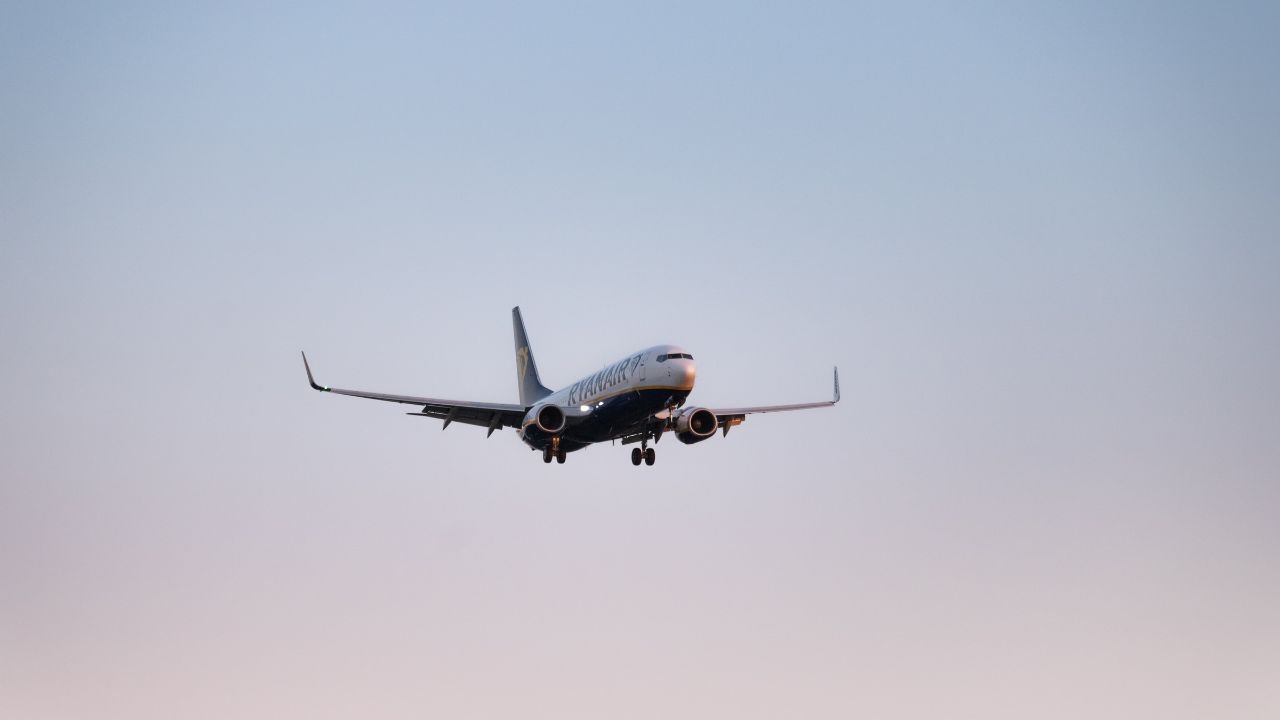
Travelers in the United States encountered severe disruptions on Friday as the ongoing government shutdown compelled airlines to cancel flights and manage delays. The Federal Aviation Administration (FAA) mandated a 4% reduction in operations at 40 major airports, which could increase to 10% by November 14 if the situation continues.
Throughout the nation, the absence of air traffic controllers and security screeners, many of whom are working without compensation, has resulted in hundreds of flight delays. By the evening, over 5,300 flights were recorded as delayed, with Reagan Washington National Airport suffering through average wait times of four hours and a 17% cancellation rate.
The four largest airlines—American Airlines, Delta, Southwest, and United—were significantly impacted, with American Airlines canceling 220 flights affecting approximately 12,000 travelers, while United Airlines grounded 184 flights. Although many passengers were rebooked swiftly, the turmoil is anticipated to escalate as the shutdown continues.
This reduction in flights has already resulted in chaos at key hubs, including Atlanta, San Francisco, Houston, Phoenix, Washington, DC, and Newark. FAA Administrator Sean Duffy cautioned that further air traffic controller absences might lead to cuts of up to 20% of flights, raising alarms over travel safety and operational viability.
Now entering its 38th day, the shutdown has left 13,000 air traffic controllers and 50,000 security screeners working unpaid, exacerbating absenteeism and putting strain on the aviation sector. Flight boards across airports are filled with delays and cancellations, causing frustration and uncertainty for passengers, especially around holiday travel plans.
Although fewer cuts may occur over the weekend due to decreased flight volumes, experts warn that ongoing staff shortages and governmental inaction could transform routine travel into a logistical challenge.