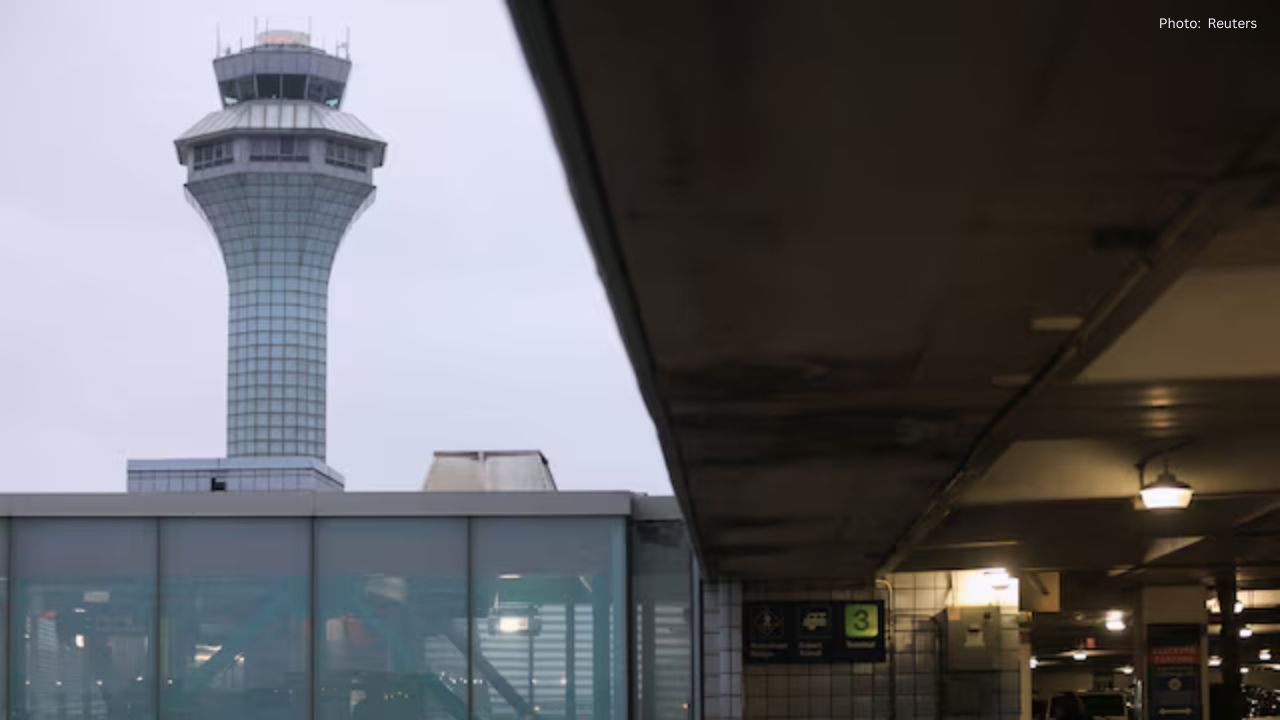
The U.S. air traffic infrastructure is on the verge of significant modernization after prolonged technical challenges and delays. The Federal Aviation Administration (FAA) has selected Peraton, a leader in national security and technology, to oversee an extensive $12.5-billion initiative aimed at reconstructing the aging system. This pivotal decision stands to reshape U.S. aviation, which has faced ongoing issues with antiquated equipment, workforce shortages, and chronic delays.
This selection follows Congress's endorsement of the $12.5-billion initiative in July, with lawmakers acknowledging that reliance on outdated technology is unsustainable. Numerous airports have encountered sluggish communication systems and equipment failures, compounded by some control centers reporting leaking roofs and unserviceable HVAC units, underscoring the urgent need for upgrades.
Peraton outbid a joint proposal from Parsons and IBM, with the FAA emphasizing the necessity for a singular entity to seamlessly integrate the overhaul without disrupting air travel. Millions of travelers rely on consistent and secure flight experiences daily, making this transition crucial.
FAA Administrator Bryan Bedford remarked that the nation is making a “bold move” toward revitalizing the air traffic control framework. He anticipates presenting updates to Congress later this month on the advancement of this initiative. Peraton’s CEO, Steve Schorer, stated his team is eager to commence the transformation, promising a reliable system for the American populace.
The upgrade will encompass urgent enhancements, including the replacement of obsolete copper-wire networks with cutting-edge fiber-optic technology. A pivotal addition will be the establishment of a new digital command center to enhance communication speed and optimize air traffic management. Collectively, these upgrades are designed to minimize outages, boost efficiency, assure future growth in air travel, and vital improve safety protocols.
Recent reports have highlighted the severity of the existing challenges, with a 2023 review revealing that many FAA communication systems rely on outdated tech such as floppy disks and paper methods. Furthermore, an analysis disclosed that out of 138 FAA telecommunication frameworks, 51 are deemed unsustainable and require immediate replacements.
Transportation Secretary Sean Duffy remarked that additional funding may be essential, proposing that Congress allocate an extra $19 to $20 billion to ensure air traffic control systems meet increasing demands. Chris Sununu, CEO of Airlines for America, commended the modernization strategy, asserting that it is long overdue and essential for maintaining flight safety and efficiency.
This comprehensive system upgrade is set to conclude within three years, a demanding timeline that the Transportation Department believes can be met with effective management and collaboration. Previous attempts at major upgrades, including the $15-billion “NextGen” initiative, faltered due to delays and budgetary constraints. However, this new strategy aims for a sharper focus and urgency.
If successfully executed, this project will usher American air travel into a new age, alleviating delays, reinforcing safety protocols, and preparing the nation for future expansion in aviation. Time will tell if this ambitious undertaking can resolve longstanding issues that have been overlooked for too long.