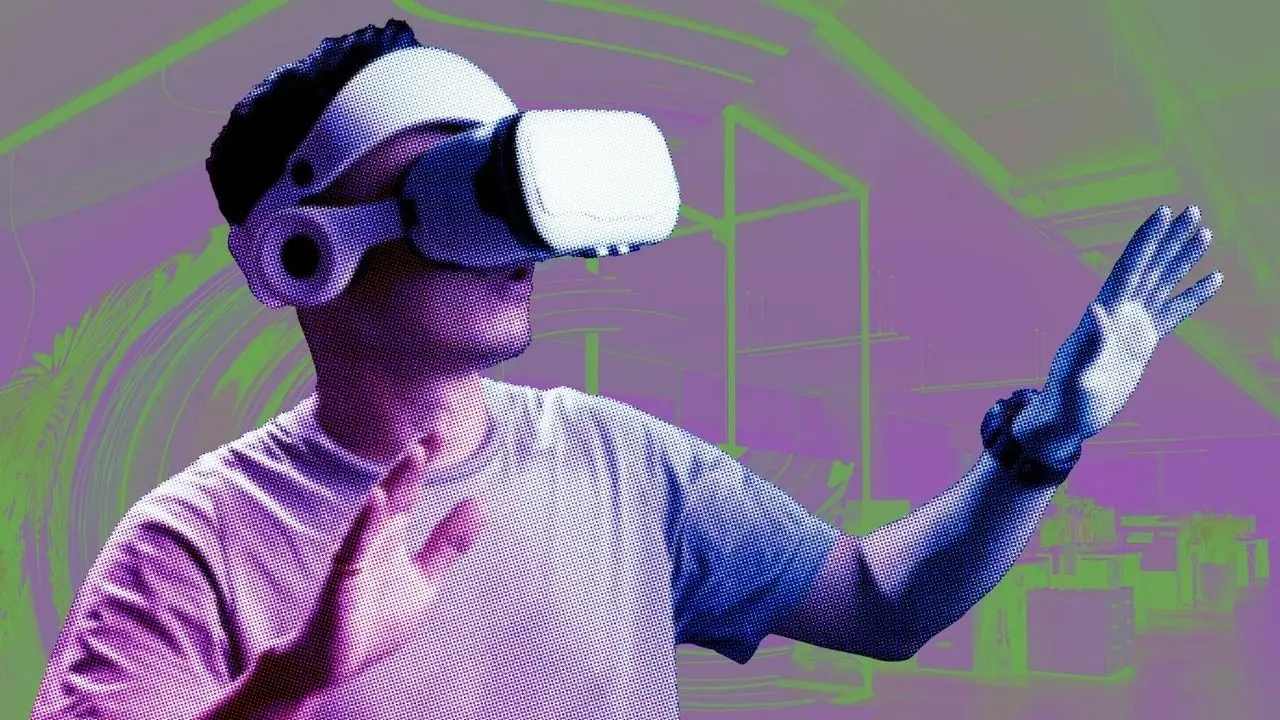
Awakening a New Digital Era
Once a concept confined to sci-fi narratives, the metaverse now shapes daily activities in 2026. Individuals immerse themselves in vibrant online realms instead of merely scrolling through social media. They explore virtual avenues, enjoy online concerts, participate in classes, and attend meetings as avatars that authentically portray emotions. This shift is revolutionizing how we view leisure, work, and interpersonal connections.
In the last two years, the rise of headsets, enhanced internet speeds, and a booming gaming culture have encouraged more people to dive into immersive environments. Teens who once spent evenings on basic screens are now discovering expansive virtual worlds, designing personal spaces, crafting identities, and chatting with friends from their homes. The metaverse has thus evolved into a vibrant marketplace rather than a solitary app.
A noticeable trend is the extended time spent. Users in developed regions report engaging in some form of metaverse activity for three to four hours daily, with weekends often seeing double that. This resembles the early days of streaming services capturing consumer attention, with virtual domains now consuming valuable time from traditional activities.
Defining Metaverse Engagement
To grasp user behavior, it's crucial to define 'metaverse time.' This encompasses all activities within persistent virtual spaces where users interact through avatars. Key areas include:
-
gaming and role-playing environments
-
digital meeting rooms and workplaces
-
virtual shopping experiences
-
social hubs and live events
-
educational platforms
These sectors collectively dictate how digital time is utilized in 2026.
Dominance of Gaming in the Metaverse
Gaming continues to be the primary gateway into the metaverse. Youth culture views these environments as interactive spaces where identities can evolve. Players invest in digital avatars, equipment, and virtual properties, often spending significant amounts during gameplay. Esports events hosted in metaverse venues attract unprecedented participation from cities around the world.
Many young users prefer these settings, as they provide an escape from real-world scrutiny. A reserved student can find confidence behind an avatar, and the instant restart feature replaces patience required in traditional sports, fostering quick learning from mistakes.
Professional gaming tournaments in virtual arenas amplify player visibility. Streaming services are now competing to showcase metaverse matchups, where players earn from prize pools and sponsors while influencers create viral content at lightning speed.
Rising Economic Trends in Gaming
The growth of the metaverse isn't only attributed to hardware. Governments in the GCC are rolling out initiatives to bolster entertainment and digital creativity, encouraging newcomers to embrace metaverse platforms. Many emerging professionals may lack hands-on experience, but their eagerness to learn fosters a supportive growth environment.
The Quiet Revolution of Workspaces
Virtual offices are rapidly becoming commonplace as organizations adapt to digital workspaces. Multinational corporations are implementing dual professional structures for virtual desks. Employees access meeting rooms through laptops and smartphones, ensuring flawless interaction.
Remote work has gained a new dimension. Professionals now favor the metaverse for meetings, as it eliminates travel times and boosts collaboration over animated dashboards. Teams feel more engaged, even when apart.
Revolutionizing Digital Shopping
Shopping in the metaverse has rapidly evolved into a significant player in the economy. Brands install virtual storefronts where customers can navigate aisles reminiscent of real stores. Luxury markets flourish in these environments, with eco-friendly brands gaining traction. Pricing information is delivered in approachable terms rather than technical jargon.
Common purchases include:
-
virtual clothing
-
ornamental jewelry
-
tickets for events
-
virtual residences
-
educational workshops
Some consumers view digital assets as valuable investments.
Reinventing Social Interactions
The metaverse is reshaping how friends interact. Users often take a moment to center themselves before engaging in social settings, reminiscent of older social rituals. Influencer culture across the GCC broadcasts weddings and festivals, fostering a sense of community. Families convene in these environments, honoring artists and celebrities.
Educational Innovations for Youth
Schools leverage virtual classrooms for exam prep. Students utilize digital passes, discussing societal issues and ethics in accessible formats. The metaverse has become an educational platform for future generations.
Anticipating Participation Growth
Analysts predict up to 150 million users could engage with some aspect of the metaverse by 2027. Job outlook studies in the GCC indicate rising demand for digital creators. Employers seek attributes like adaptability, typing skills, and knowledge of open-source technology for managing virtual platforms.
Navigating Creator Challenges
Despite the promising growth, challenges still loom:
-
evaluating talent
-
complexity of technology
-
regulatory hurdles
-
impact of weather
-
intensifying competition
Renting arenas and fuel prices can squeeze profit margins. Although inflation in the UAE is moderate, global price surges could indirectly affect financial plans. Concerns over security and geopolitical stability may disrupt events, but disaster management teams prepare contingencies similar to Hajj protocols that enforce orderly crowd management.
Cybersecurity in a Hybrid Age
Cyber threats in 2026 mirror the advanced complexities of traditional attacks. Businesses and multinational alliances are enhancing encryption and cybersecurity measures. Many professionals enter this realm with theoretical understanding, but their eagerness to learn is fostered through workshops and AI-driven security discussions.
Adapting Institutional and Consumer Behavior
Central banks supporting gold purchases and ETF movements help stabilize prices. Consumers in Dubai and Saudi Arabia see gold as a hedge against inflation. Retail loyalty initiatives engage audiences during events. The luxury automobile trend in Dubai resonates with festival tourism, while franchise establishments encourage suburban expansion over urban density.
Public Health Initiatives Amidst Cold Spells
Public health strategies include temporary shelters for the homeless, mobile medical services, and awareness campaigns. Schools have revised schedules while employers manage indoor environments. Drivers are encouraged to maintain distances in foggy conditions. Citizens are advised to dress warmly and limit alcohol and smoking, ensuring nutritional needs are met.
The Human Aspect of Defense
From morning drills to evening routines, soldiers navigate a disciplined life in a unique city. The communal atmosphere in the defense sphere transforms strangers into temporary kin. NATO directives underline the importance of agility, modernization, and collaborative drills. Vital energy corridors traverse Eastern Europe, with safeguarding critical assets being a primary concern.
Future Watch: Analyst Insights
-
geopolitical shifts
-
monetary adjustments
-
global economic trends
These factors will influence gold's direction and impact metaverse engagement. Investors must balance their portfolios and employ diversified risk strategies.
Conclusion: Aligning Digital Engagement with Asset Stability
The metaverse landscape in 2026 exhibits resilience amid uncertainty. While political turbulence can sometimes dampen sentiment, the dedication of creators upholds stability. Investors should practice patience rather than succumbing to impulsive sell-offs, recognizing gold's enduring role as a safeguard and a repository of value, especially during fluctuating market conditions.
Disclaimer
This article serves to inform and does not constitute professional investment or medical guidance. Rapid fluctuations in market and geopolitical climates necessitate careful consideration of decisions regarding bullion, digital engagement, or health protocols, ideally in consultation with industry experts.