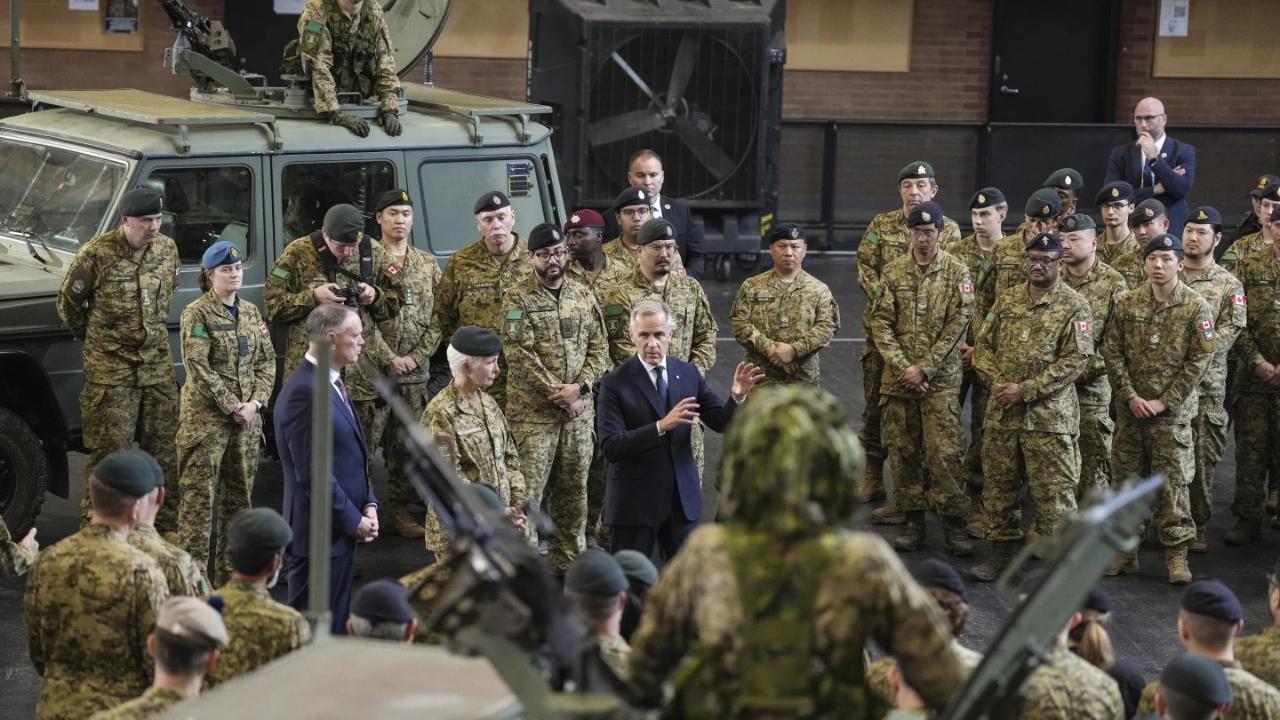
Photo:AP
Alarming Extremist Infiltration Sparks National Concern
On July 9, 2025, federal authorities disclosed that two serving Canadian Armed Forces members were implicated in an alleged anti-government militia plot in the Quebec City region. The accused are among four individuals arrested in connection with plans to forcibly occupy land, allegedly guided by extremist ideology and violent intent. The revelations prompted immediate calls, led by experts and lawmakers, for the military to significantly improve its screening procedures to stop ideological radicals from joining its ranks.
University of Alberta political scientist Andy Knight, whose prior research revealed white supremacist beliefs embedded in the military culture, noted the disturbing implications. He emphasized that extremists are infiltrating recruitment channels, making Canadian forces vulnerable to ideological subversion.
Evidence From High‑Profile Arrests
The arrests revealed a disturbing trend. Among the four individuals charged, two were active military personnel. The Royal Canadian Mounted Police reported the largest weapons cache ever dismantled in a domestic terrorism case, indicating these conspirators had access to serious weaponry—likely facilitated by their service training and clearance.
Knight emphasized that if individuals with such extremist convictions can enroll in the armed forces, it reflects a glaring failure in recruitment vetting. The nation's security depends on trust that its military excludes those harbouring violent or anti-state ideologies.
Longstanding Problems Exposed by Multiple Reports
This isn’t an isolated concern. A 2025 University of Alberta report unveiled systemic white supremacist and xenophobic attitudes in military ranks. The study cited recruitment by extremist groups seeking training and resources from soldiers for what they called a “race war.” It also highlighted institutional bias favouring white, male, Christian identities and reported nearly 90% of personnel identifying as white.
In addition, government reports found that prior reviews by the Defence Minister’s advisory panel and other bodies repeatedly documented racism and extremist conduct. Yet, despite formal “zero‑tolerance” policies, enforcement and screening have remained superficial—or siloed.
Failure of Existing Vetting Mechanisms
Defence Minister Anita Anand acknowledged that current vetting processes are inadequate. The multi-agency review found screening protocols are overly isolated and do not effectively identify extremist ideology. Extremists, she noted, are skilled at avoiding detection. This echoes findings that decades of racist and discriminatory behavior had followed a military culture unwilling to systematically exclude radical ideologues.
Complexities of Screening Versus Privacy Rights
While critics argue for stricter background checks, military leaders point out the challenge of balancing thorough vetting with privacy standards. National Defence Chief Gen. Wayne Eyre emphasized the need for stronger oversight but stressed that privacy and civil rights must not be compromised. Analysts agree that malicious actors exploit ideological blindspots in vetting processes, often recruiting or radicalizing separably through social media and other networks before even applying to the military.
Online Radicalization: The Hidden Threat
Knight and other experts warn that young recruits, adept at traversing encrypted forums and extremist platforms, can be radicalized before or during service. Online communities—forums like Iron March, Stormfront, chat rooms and fringe spaces—are fertile ground for grooming individuals into violent belief systems. The military’s screening systems do not yet monitor extremist digital footprints or assess ideological conviction effectively.
Delayed Enforcement of Policy Changes
Policy-level reforms have lagged behind. Only in 2020 did the military define hateful conduct explicitly, creating mechanisms like the Hateful Conduct Incident Tracking System (HCITS). This database logged more than 200 incidents of extremist or hateful behaviour between 1997 and 2021. But the lack of timely enforcement and transparency rendered these efforts inadequate.
Calls for Comprehensive Reform
Analysts like Knight advocate for multi-pronged reforms:
-
Stronger vetting protocols
-
Cultural transformation in recruit training
-
Strict enforcement and transparent consequences
-
Independent oversight
-
Inter-agency intelligence collaboration
-
Continuous monitoring of online activity
Experts argue these safeguards should be present from recruitment onward, not post-enlistment, to prevent infiltration and maintain institutional trust.
Strategic Implications for Military Effectiveness
Extremist infiltration undermines unit cohesion and strategic credibility, especially when deployed abroad. Partners expect Canadian soldiers to uphold constitutional values, rule of law, and democratic norms. Extremists in uniform threaten civilian trust and chip away at the legitimacy of missions—potentially damaging domestic and international cooperation.
Statistics support the urgency: despite the military's attempt to diversify, 71% of the workforce remains white men. Only 39% of Canada’s general population identify similarly. The imbalance isolates minority members and may discourage them from serving or reporting extremist behaviour.
Youthful or Veteran Susceptibility?
Knight’s research indicates extremist ideology can appear among both fresh recruits and long-serving personnel. Veterans involved in protests such as Ottawa’s Freedom Convoy in 2022 demonstrated that radicalization continues into service life. Extremism thrives when ideology subsists undetected in the ranks. Enlisting doesn’t immunize against it, and in some cases, experience may embolden misuse of training.
International Examples and Broader Concerns
The CAF is not alone. Global militaries have also faced white supremacist or extremist challenges. Notable examples include the Proud Boys disruption of an Indigenous ceremony by military sailors in Halifax (2017). Such incidents reflect a pattern: extremist groups often seek recruitment in military circles for strategy, resources, and legitimacy.
Technological Countermeasures and Training Enhancements
Critics also call for updated technological measures:
-
AI-based monitoring of social media
-
Biometric and pattern-based vetting
-
Radicalization risk assessments during routine physicals
-
Ongoing psychological evaluations, not just at recruitment
Training should incorporate digital literacy, awareness of extremist recruitment tactics, and peer-support networks encouraging internal reporting of dangerous behaviours.
Government Response and Funding Commitments
Following the 2025 militia plot arrests, the government confirmed CAD$200 million is set aside for cultural, training, and structural renovations. Yet ambiguity remains over accountability and enforcement: tracking extremist activity, supporting whistleblowers, staffing independent oversight bodies, and aligning vetting with other national security areas.
Senator Anita Anand’s Reform Mandate
Minister of Defence Anita Anand pledged to enhance recruitment standards, oversight, and training. She noted the military must not only reflect Canada’s diversity but embody its principles—democracy, equality, and human rights. A recent report reinforced the need for accountability beyond mere lip service .
Grassroots Voices From the Ranks
Reddit commentary and insider accounts suggest varying experiences:
-
Some reserve units report no extremist behaviours at all.
-
Others describe tolerance of homophobic or nationalist rhetoric.
Calls for stronger leadership accountability, more psychological screening, and active enforcement of military ethics have grown louder.
Veteran voices stress: ideological indoctrination cannot be treated as mere thought crimes—they see weapons and training as harmful in the hands of extremists.
Challenges and Criticisms of Reform Efforts
Reform champions face obstacles:
-
Resourcing and bureaucratic resistance
-
Privacy lawsuits over monitoring online behaviour
-
Political pushback and leaks
-
Defining ideological threat thresholds
-
Ensuring fairness and preventing false accusation
Despite these hurdles, proponents argue inaction risks moral erosion and national security.
Timeline and Key Next Steps
-
Mid‑July 2025: Knight meets with DND and CAF to press reform
-
Tracking of extremist incidents through HCITS continues
-
RCMP follow-up on militia plot may reveal further linkages
-
Parliamentary and Senate committee reviews will assess progress
Watch Points for Reporting
-
Updates on RCMP militia-planning case, especially CAF connections
-
DND’s rollout of enhanced vetting standards and oversight bodies
-
Parliamentary debates on military recruitment legislation
-
Stories from whistleblowers or reforms spearheaded by independent committees
Long-term Impact on National Trust
The CAF's reputation hinges on public trust. Voters expect a military reflecting Canadian ethics and professionalism. Extremist infiltration erodes faith in national defence institutions and civilian oversight. Balanced reforms protect both national security and Canada’s democratic ethos.
Conclusion
The recent arrests underline that extremist threats aren’t just ideological—they are operational and institutional. Experts agree the Canadian Armed Forces must transform recruitment, vetting, training, and monitoring from the moment candidates sign their enlistment papers. Without robust intervention, extremist ideologies will continue to threaten mission effectiveness, public trust, and Canada’s global standing.
This moment represents a pivotal crossroads. Canada must decide whether its military will stand not just as a defender of sovereignty, but as a bastion of democratic resilience. A force that embodies its people's diversity and values requires decisive, courageous reform. Failing to act is no longer an option.