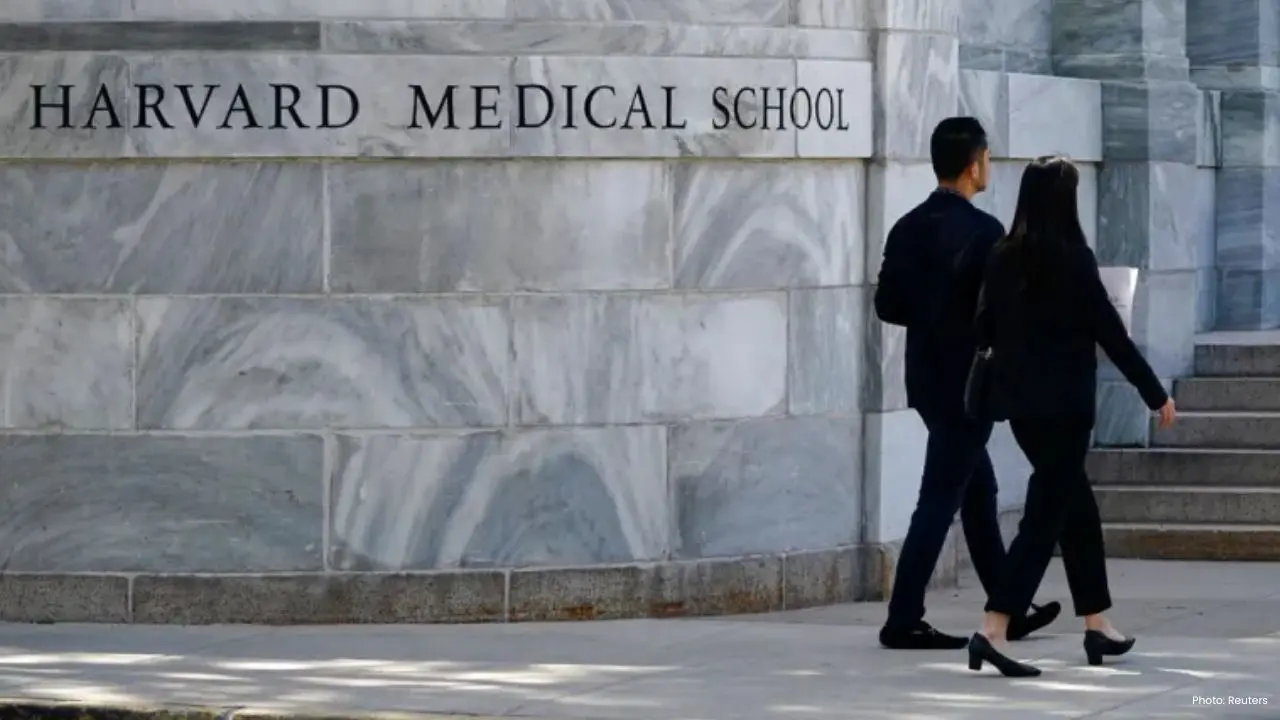
Cedric Lodge, the morgue manager at Harvard Medical School, has been sentenced to eight years in prison for stealing and selling body parts from cadavers donated for medical research. The case has drawn widespread attention in the United States due to the shocking nature of the crime and the violation of trust placed by families who donated their loved ones’ bodies for scientific purposes.
Lodge, 58, who managed the morgue for more than two decades, admitted in court that he transported stolen heads, brains, hands, faces, and skin to his home in New Hampshire and sold them to multiple buyers. His wife, Denise Lodge, was also sentenced to one year in prison for helping facilitate these illegal sales. Prosecutors described their actions as “shocking” and deeply distressing for the families of the deceased, who were left to wonder about the misuse of their loved ones’ remains.
According to court filings, the thefts were carried out over several years, and the couple profited by supplying organs and body parts to individuals interested in macabre collections. The prosecutors argued that the crime “shocks the conscience” and highlighted the disturbing reality of the so-called ‘oddities’ market that motivated Lodge’s actions.
The defense acknowledged the emotional harm caused by Lodge’s actions but requested leniency, noting that the consequences of the case were significant for both the Lodge family and the grieving relatives of the deceased. Despite these arguments, the court imposed a strict prison sentence, emphasizing the seriousness of the offense and its emotional impact.
Harvard Medical School condemned Lodge’s conduct, calling it “abhorrent and inconsistent with the values expected of the institution, our donors, and their families.” The university emphasized that such actions betray the trust of donors and undermine the integrity of medical research programs.
Earlier, a U.S. court allowed families affected by the thefts to sue Harvard, describing the scheme as a “macabre operation spanning several years.” This ruling reinforced the accountability of institutions in ensuring the ethical handling of cadavers and maintaining strict oversight over those entrusted with their care.
The case has reignited discussions about the importance of ethics and legal compliance in medical education and research. Experts have stressed that cadaver donations are a sensitive responsibility and institutions must prioritize donor safety, respect, and transparency. The breach of this trust, as seen in this case, has far-reaching emotional consequences for families who believed their loved ones would contribute to scientific learning in a respectful manner.
Legal analysts and bioethics specialists have pointed out that the sentencing of Cedric and Denise Lodge sends a strong message that the illegal sale of human body parts will be met with severe legal consequences. It is expected to prompt hospitals, medical schools, and research facilities to strengthen their monitoring systems and ensure stricter compliance with ethical and legal standards.
This case stands as a stark reminder of the critical importance of morality, trust, and accountability in medical research. Institutions handling human remains have a duty to uphold these principles, and any violation can lead to both criminal charges and lasting emotional harm to grieving families.