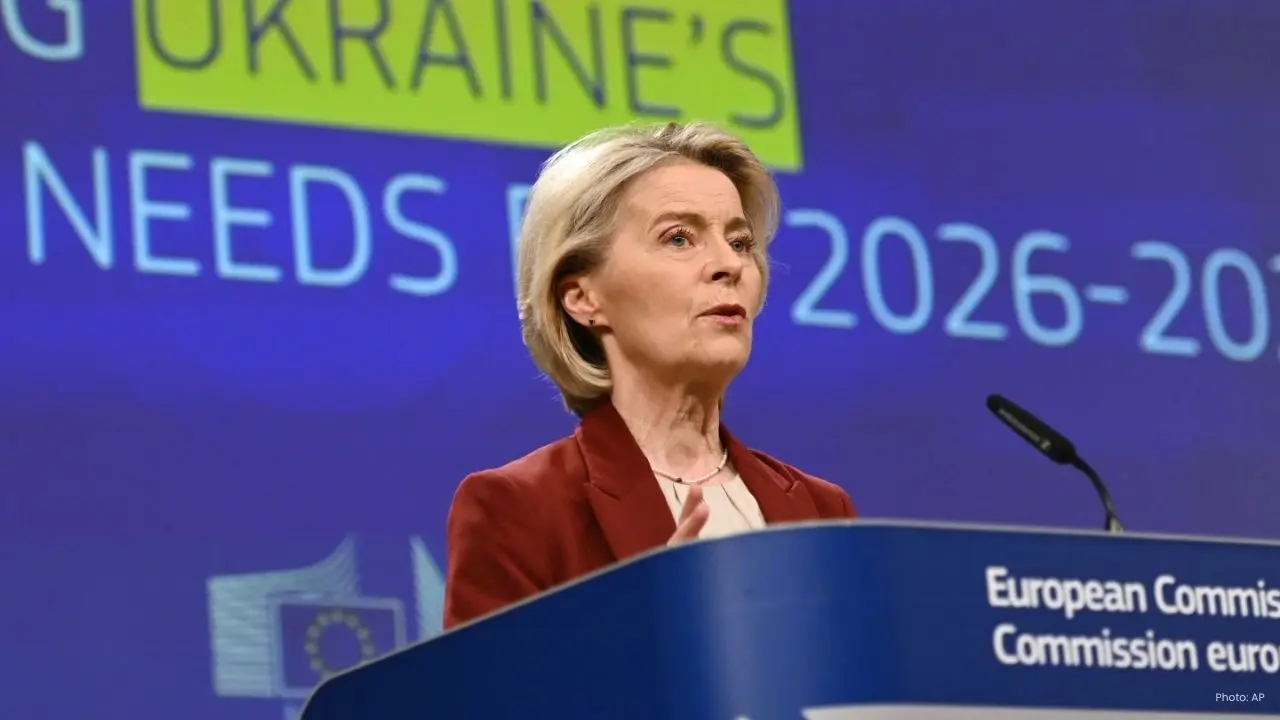
On Thursday, European Union leaders convened in Brussels for an important summit aimed at finalizing a substantial financial assistance package for Ukraine’s military and economic necessities over the next two years. According to the International Monetary Fund (IMF), Ukraine will require approximately 137 billion euros ($160 billion) during this timeframe due to the ongoing conflict with Russia.
While the assembly will also tackle various topics such as migration, trade, and economic expansion, the urgent need to aid Ukraine remains at the forefront. EU leaders concur that timely and reliable support is essential for Ukraine to sustain its defense efforts and to rebuild its war-torn infrastructure.
Ursula von der Leyen, President of the European Commission, emphasized the critical nature of swift action, urging lawmakers to make prompt decisions regarding assistance to Ukraine as the crisis escalates.
Leading the summit, European Council President António Costa stated he would pursue discussions until a consensus is achieved, even if deliberations extend over several days.
Proposal for Utilizing Frozen Russian Assets
A key discussion point is the potential use of substantial amounts of frozen Russian assets currently held in Europe. These funds were frozen following Russia's invasion of Ukraine in 2022. Proponents of this strategy argue that it is justifiable for Russia's frozen finances to aid in rebuilding Ukraine.
Nonetheless, this idea carries risks and is unprecedented. The European Central Bank has raised concerns that utilizing another nation’s seized assets could erode trust in the euro, potentially alarming countries with significant investments in Europe.
Some member states are wary of possible Russian retaliation. Notably, Belgium, which harbors most of the frozen assets within the Euroclear financial clearinghouse, staunchly opposes this initiative. They advocate for the EU to consider borrowing from international markets instead.
Adding further complexity, the Russian Central Bank has initiated legal proceedings against Euroclear in a Moscow court.
Varied Perspectives Within the EU
Hungary and Slovakia have declared their opposition as well, particularly against von der Leyen's concept of a “reparations loan”—a long-term arrangement allowing Ukraine to repay approximately 90 billion euros only after the conflict concludes and Russia compensates for war damages.
Ukraine estimates that the toll from nearly four years of warfare exceeds 600 billion euros ($700 billion).
Additional financial commitments are expected from the U.K., Canada, and Norway to address the remaining funding gap.
However, several EU nations, including Bulgaria, Italy, and Malta, remain skeptical. EU diplomats have been working tirelessly to address these disagreements.
If a significant number of countries oppose the initiative, it may stall. Moreover, there’s limited support for alternative proposals that would involve sourcing funds through international markets.
Defining Moment for Ukraine and the EU
This summit holds the potential to signify a crucial moment. Should leaders reach an agreement, Ukraine would secure long-term financial backing, pivotal for its resistance against Russia. However, if negotiations falter, Ukraine faces a daunting funding shortfall during a critical juncture of the war.
For Europe, this decision stands as a crucial testament to whether the EU is prepared to embark on bold, unprecedented measures to support a nation standing up for itself and for European ideals.