Photo:AP
Erik Menendez's Hospitalization Triggers Legal and Public Repercussions
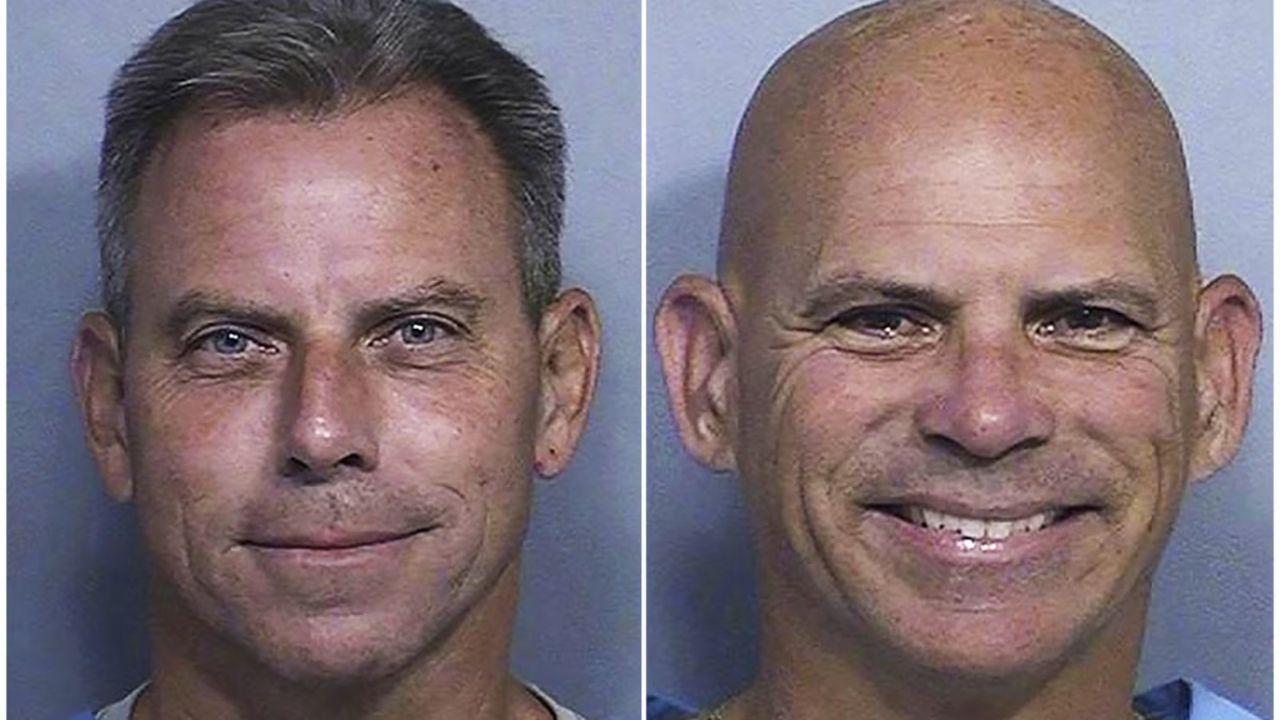
Erik Menendez, one of the two brothers convicted of the brutal 1989 murders of their wealthy parents in Beverly Hills, is currently hospitalized due to a serious medical condition. The news has reignited interest in a case that continues to stir debate more than three decades later. His attorney, the well-known criminal defense lawyer Mark Geragos, has urgently called on California Governor Gavin Newsom to authorize a medical furlough for Erik, citing his client’s precarious health and the need to prepare for an upcoming parole hearing.
The incident introduces new complexities into the already emotionally and legally charged saga of the Menendez brothers. Beyond the immediate health concerns, the development puts a spotlight on broader issues within the criminal justice system, including inmate healthcare, access to legal representation during medical emergencies, and the evolving debate over parole for long-incarcerated offenders convicted as young adults.
The Infamous 1989 Menendez Murders
The Menendez case remains one of the most chilling and publicly dissected murder cases in American criminal history. On the night of August 20, 1989, José and Kitty Menendez were shot to death in their Beverly Hills mansion. Their sons, Erik and Lyle Menendez, were eventually charged and convicted of the crimes after a lengthy investigation and trial.
Prosecutors alleged the murders were motivated by greed and a desire to inherit the family’s vast wealth. The brothers initially denied involvement, only to later confess to the killings during therapy sessions, which were secretly recorded and used as evidence. The defense countered that the murders were the result of years of sexual, emotional, and physical abuse at the hands of their father, a successful entertainment executive. The case gained immense media attention, spawning documentaries, television dramatizations, and books.
After two separate trials ended in deadlock, both brothers were convicted in 1996 of first-degree murder and sentenced to life in prison without the possibility of parole.
Legal Evolution and Parole Eligibility
For years, the Menendez brothers lived out their sentences in separate maximum-security prisons. However, recent developments in California law have reopened the possibility of parole. Under a 2012 law that allows individuals who committed crimes as minors or young adults to be considered for parole after serving 25 years, both Erik and Lyle became eligible for parole review.
In May 2025, a court resentenced them to 50 years to life, removing the prior stipulation of no parole. This significant change opened the door to parole hearings, giving both brothers their first real chance at release in nearly three decades. Their parole hearing has been scheduled for August 21 and 22, 2025.
Erik Menendez's Medical Crisis
Amid this legal shift, Erik’s health took a sudden turn for the worse. During the weekend of July 18–19, 2025, he was transferred from Richard J. Donovan Correctional Facility in San Diego to an outside hospital. The California Department of Corrections and Rehabilitation later confirmed that he remains hospitalized in fair condition. While officials have not revealed specific details about his illness, citing privacy regulations, Mark Geragos has referred to it as a “serious medical condition.”
Reports circulating in some media outlets have speculated that Erik might be suffering from kidney stones or a related urological issue. However, these details remain unconfirmed. The gravity of his condition has prompted immediate legal action from Geragos, who is pressing for a temporary medical release so Erik can properly prepare for his parole hearing.
The Push for a Medical Furlough
In a direct appeal to Governor Gavin Newsom, Geragos stressed that Erik's current medical state hampers his ability to coordinate with legal counsel, especially with a crucial parole hearing only weeks away. A medical furlough, even if time-limited and heavily supervised, would allow Erik to regain some semblance of health, consult with his legal team, and meaningfully participate in the legal process.
Geragos referenced previous instances where medical furloughs were granted to inmates facing life-threatening health concerns, particularly during the COVID-19 pandemic. He argued that Erik’s condition, combined with the stakes of the parole hearing and the broader implications of justice, merits similar consideration.
Parole Hearing and Legal Stakes
The upcoming parole hearing represents a landmark moment in the Menendez saga. For the first time since their sentencing, the state parole board will evaluate whether either brother has shown sufficient rehabilitation, remorse, and readiness for reentry into society.
While the parole board can recommend release, the final decision rests with the governor. The weight of this case, which remains emotionally resonant and culturally significant, means that the parole decision will be closely watched. Supporters of the Menendez brothers argue that they have served more than enough time, particularly given their claims of childhood abuse and their record of good behavior in prison. Critics, however, maintain that the brutal nature of the crime warrants continued incarceration.
Public Perception and the Power of Media
The Menendez case has always been entangled with media portrayal. Recent interest has surged following the release of a high-profile Netflix series titled "Monsters: The Lyle and Erik Menendez Story." The dramatized series has sparked renewed public debate, especially among younger audiences who were not alive during the original trials. Social media platforms have been flooded with commentary, dissecting the brothers’ past, debating their claims of abuse, and discussing the fairness of their sentences.
This cultural resurgence has led to the emergence of advocacy groups and online petitions calling for clemency or parole, particularly for Erik, whose emotional testimony about years of alleged molestation by his father has gained sympathy from certain segments of the public. Whether this groundswell of support will influence the parole board or the governor remains uncertain, but it undoubtedly plays a role in shaping the narrative around the case.
Questions of Justice and Redemption
The broader legal and ethical questions surrounding the Menendez brothers continue to provoke debate. Are decades-old crimes viewed differently when the perpetrators were young adults suffering abuse? How should the justice system balance punishment with the potential for rehabilitation? What role should public sentiment and media influence play in parole decisions?
Erik’s health crisis adds urgency to these questions. If an inmate’s deteriorating health prevents him from fully participating in a legal process that could result in his release, is the state failing its duty to provide due process? Should long-serving prisoners with medical issues be given more compassionate consideration, or would that set a troubling precedent in high-profile cases?
Geragos's Legal Strategy
Mark Geragos, a well-known figure in the legal world with experience handling high-stakes cases, is deploying a multipronged strategy. He is simultaneously working within the framework of the parole board process while also appealing to executive powers through the governor’s office.
Geragos has also filed motions requesting that the Department of Corrections ensure adequate medical treatment and that Erik's health condition be fully evaluated by independent physicians. These efforts are designed not only to secure better medical care but also to bolster Erik’s chances of being seen as a viable parole candidate capable of reintegrating into society if released.
Impact on Lyle Menendez
While the current spotlight is on Erik due to his hospitalization, the upcoming parole hearing also includes Lyle. There is little doubt that any developments in Erik’s situation will have ripple effects for Lyle as well. If Erik’s medical condition delays or disrupts the hearing process, the state may have to consider whether to postpone or reschedule both hearings. Alternatively, they may proceed independently.
Lyle has maintained a record of good behavior in prison and, like his brother, has been active in educational and support programs behind bars. He remains incarcerated at Mule Creek State Prison in Ione, California. His own legal team is preparing intensively for the parole hearing and is reportedly monitoring Erik’s condition closely.
Looking Ahead
With only weeks remaining until the parole hearing, every decision — medical, legal, and political — carries heightened significance. Governor Newsom finds himself in a delicate position. On one hand, granting a medical furlough could be seen as compassionate and consistent with legal precedent. On the other hand, it risks political backlash and public scrutiny, especially in a case as notorious as the Menendez murders.
The parole board will also be under pressure to conduct a rigorous, transparent, and fair evaluation. Their decision, whether to recommend parole or not, will be closely scrutinized by the media, legal experts, victims’ advocacy groups, and the general public.
For Erik Menendez, the outcome of this process could mean a chance at freedom after more than 35 years behind bars. For society, it represents a moment to reconsider long-held beliefs about justice, punishment, and the possibility of redemption.
The hospitalization of Erik Menendez marks a significant development in a case that continues to captivate public attention decades after the original crimes. As his legal team pushes for a medical furlough and prepares for a pivotal parole hearing, the story enters a new chapter — one fraught with legal complexity, emotional weight, and public controversy.
Whether Erik will recover in time to participate in the hearing, whether the state will accommodate his medical needs with compassion, and whether the parole board will offer the Menendez brothers a path to reintegration all remain open questions. But one thing is clear: the Menendez case, long etched into America’s collective consciousness, is not yet over.