Photo:AP
A Digital Mistake with Life-Altering Consequences
What began as a minor clerical oversight inside the United Kingdom’s Ministry of Defence would soon unravel into a global security dilemma, a diplomatic puzzle, and a political scandal of secrecy. A mistakenly sent email in early 2022 revealed the personal data of nearly 19,000 Afghan citizens who had applied for asylum in Britain through the Afghan Relocations and Assistance Policy (ARAP). These individuals had risked their lives to support the UK’s military efforts during its two-decade involvement in Afghanistan. Now, due to a single spreadsheet attachment, many were suddenly exposed to immense danger.
The email included sensitive information: full names, birth dates, family details, locations, and contact information. It wasn't just one person whose safety was compromised. With families often consisting of five to ten individuals and broader tribal or social connections, the ripple effect potentially endangered up to 100,000 people. In the eyes of the Taliban or any adversary hostile to foreign collaborators, the spreadsheet was a target list. And Britain had just handed it over.
From Breach to Crisis: Realising the Threat
The government did not immediately recognize the severity of the error. Initially, officials believed it was an internal misstep with limited exposure. However, within a few months, parts of the spreadsheet began surfacing on social media, including Facebook. This digital breadcrumb trail suggested the Taliban—or criminal networks linked to them—may have already accessed the data.
At that point, the situation escalated from an administrative error to a full-scale national security emergency. The Ministry of Defence, now facing the possibility that Afghan interpreters, drivers, engineers, security aides, and their families were being hunted down, knew it had to act—but quietly.
A Super-Injunction Cloaks the Scandal
In an unprecedented legal maneuver, the UK government applied for and was granted a super-injunction. These types of legal orders are rare. Even their very existence is kept secret. While celebrities sometimes use them to prevent tabloid coverage of personal scandals, it is nearly unheard of for a government to invoke one—especially concerning national policy.
The super-injunction prevented media, civil society organizations, and even elected Members of Parliament from speaking publicly about the breach. It silenced potential whistleblowers and bought the government time to formulate a damage-control strategy. For almost two years, the British public remained unaware that thousands of lives had been put at risk due to a misaddressed email.
Launching the Secret Rescue Mission
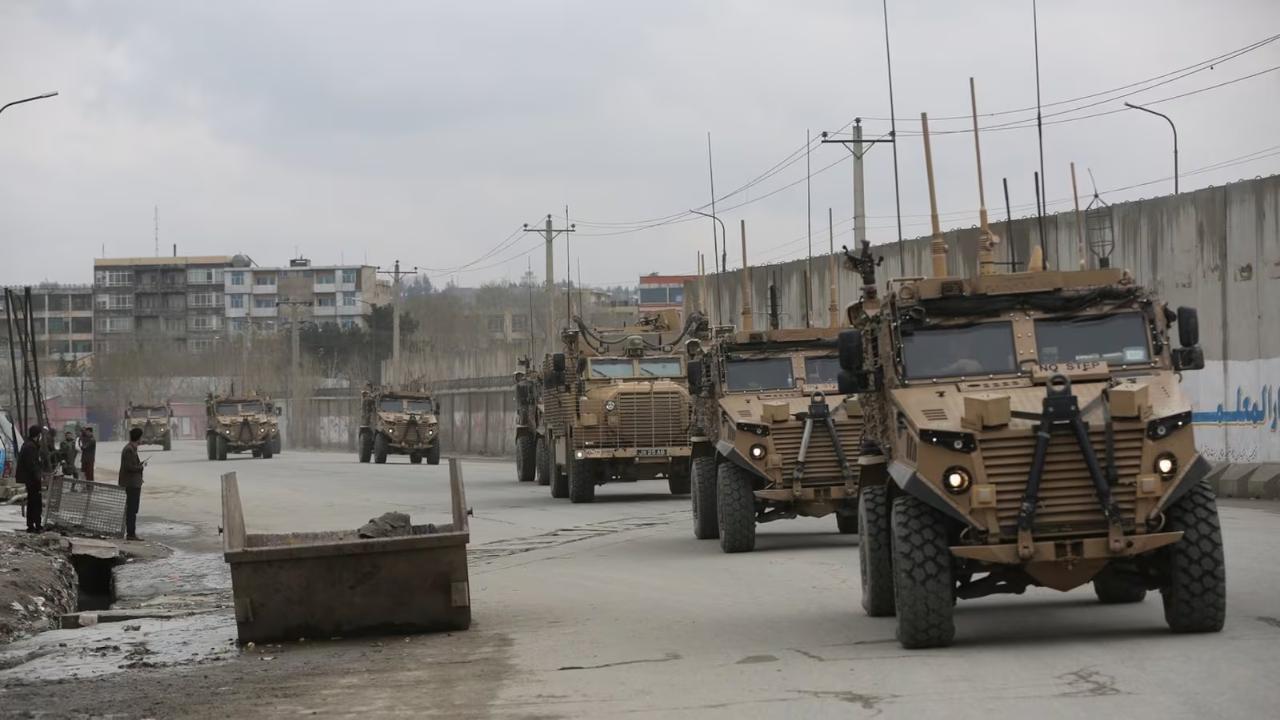
Behind closed doors, the Ministry of Defence and Home Office initiated a clandestine evacuation effort. Unlike Operation Pitting—the chaotic, last-minute 2021 airlift from Kabul—this new initiative required stealth, discretion, and long-term planning. Dubbed by some officials as the Afghan Response Route, the program aimed to quietly relocate those most endangered by the data breach.
Priority was given to individuals already deemed eligible under ARAP, but the government widened the criteria in light of the unique threat caused by the leak. Many who might not have previously qualified—due to insufficient documentation or indirect association with British forces—were now considered legitimate candidates for resettlement.
By mid-2025, approximately 4,500 people had been relocated to the UK under this covert scheme, including about 900 primary applicants and over 3,500 of their family members. The final target was 6,900 individuals. Housing was arranged in quiet towns and cities across England, Wales, and Scotland. Most arrivals were kept away from the media spotlight and were instructed not to speak about how they came to the UK.
Costs and Confusion: Public Money, Hidden Spending
With secrecy came confusion—and concern about spending. Initial leaks indicated the rescue effort might cost over £7 billion, leading to public alarm and media scrutiny. Later clarifications reduced that estimate to about £850 million, covering flights, housing, social services, legal aid, and integration programs.
Still, critics argued that the lack of transparency made it impossible to assess whether the money was being used efficiently. Some questioned whether the super-injunction was truly necessary—or simply a tactic to avoid embarrassment and political fallout.
Political Divides and Democratic Breakdown
The secret operation has sparked a furious political debate. Members of Parliament across all major parties expressed anger that they were not informed, especially given the operation’s scale and cost. Labour politicians, now in power following the 2024 general election, condemned the previous Conservative government for failing to notify Parliament or even key committees tasked with national security oversight.
The new Defence Secretary, John Healey, formally ended the silence on July 15, 2025. He delivered a public apology in the House of Commons, acknowledged the data breach, and confirmed the resettlement of thousands under emergency protocols. Healey emphasized that the Labour government had inherited the operation but chose transparency over continued secrecy.
Critics welcomed the admission but demanded more. They questioned why those most affected—the Afghan applicants themselves—were kept in the dark. Many received no explanation as to why they were suddenly placed on resettlement lists or asked to report to foreign embassies. Some feared it was a trap orchestrated by enemies, not a lifeline from allies.
The Human Toll: Fear, Silence, and Exile
For those exposed by the spreadsheet, life became even more perilous. Some fled their homes, changed their phone numbers, or moved between provinces. In the worst cases, families were separated as some members were relocated while others remained in Afghanistan, unable to reach safe zones.
Emotional and psychological trauma compounded the already difficult experiences of war, displacement, and cultural dislocation. Interviews with several evacuees revealed deep anxiety. They didn’t know how they had been chosen, why they were eligible, or what would happen to relatives left behind. Many remained silent even after arriving in the UK, fearing reprisal or deportation.
Support networks in Britain—largely run by NGOs, veterans’ groups, and refugee aid organizations—struggled to offer mental health services and legal counsel due to the confidentiality requirements around the super-injunction. Even they were kept out of the loop.
Calls for Compensation and Justice
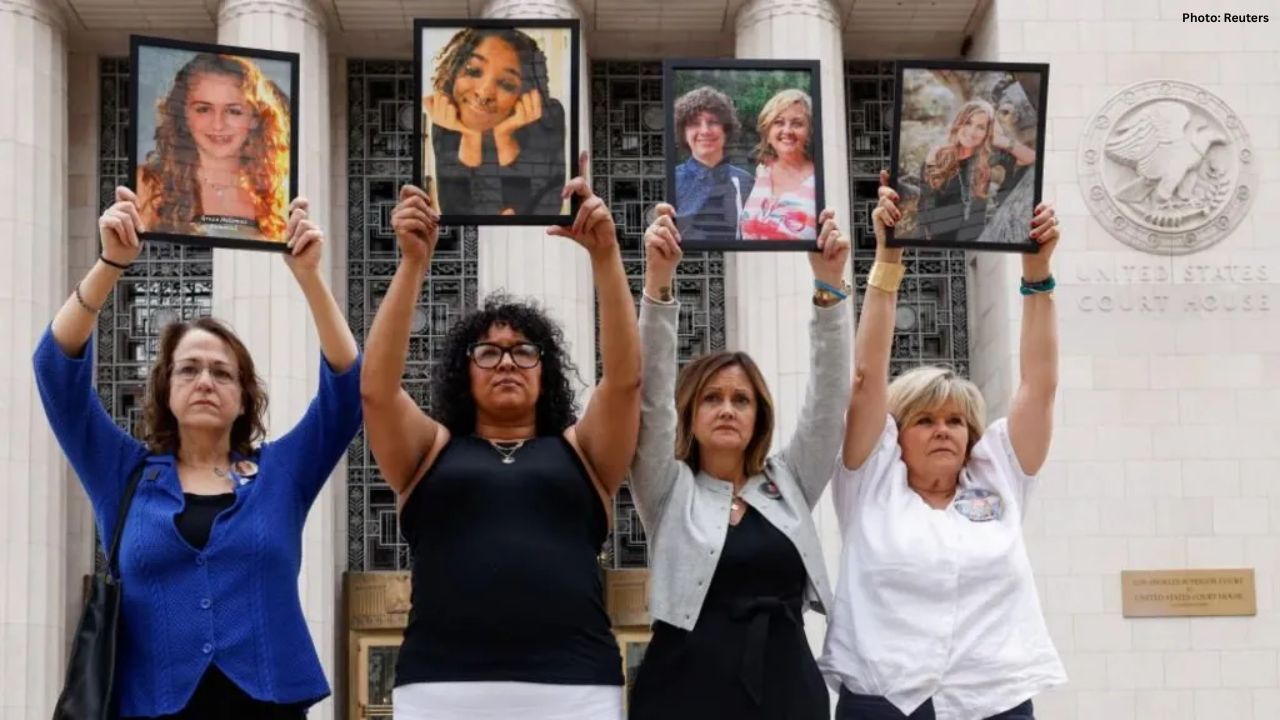
Lawyers representing some Afghan families have now begun filing claims against the UK government. Their cases argue that the Ministry of Defence committed gross negligence by failing to safeguard sensitive information and then failed again by not informing victims of their exposure.
They are demanding financial compensation not just for relocation delays or inconvenience, but for the real and measurable trauma suffered by their clients. Some cases involve families who lost loved ones during the intervening period, victims of targeted attacks they believe were linked to the breach.
While the UK government has not commented on specific legal actions, it has acknowledged its responsibility and promised to review whether broader compensation packages may be necessary.
Systemic Failures and the Culture of Secrecy
The scandal is not merely about a spreadsheet or a hurried rescue mission. It’s about governance, trust, and the capacity of institutions to act ethically when faced with failure. The UK government’s reliance on a super-injunction to manage the fallout points to a culture that prioritizes containment over accountability.
This is not the first time Britain’s evacuation and resettlement efforts have come under scrutiny. During the 2021 Kabul airlift, hundreds of evacuation requests reportedly went unread due to overloaded inboxes, technical breakdowns, and bureaucratic confusion. Whistleblowers from inside the Foreign Office later revealed that entire batches of emails were left unopened during critical moments.
The data breach incident only reinforces concerns that lessons from 2021 were never fully absorbed.
Parliamentary Hearings and Future Oversight
With the public now aware of the covert operation, pressure is mounting on the Labour government to hold a full inquiry. Lawmakers are demanding access to internal memos, email chains, and decision logs to determine who authorized the super-injunction and why.
Several parliamentary committees—including those for defence, foreign affairs, and public accounts—have already scheduled hearings for the autumn session. Activists hope these sessions will finally uncover the full truth behind the breach and prompt a wider reform of how sensitive government data is handled.
There are also calls for new legislation to limit the use of super-injunctions by government departments, especially in cases involving immigration, asylum, or public safety. Transparency advocates argue that such powerful legal tools should be a last resort—not a shield for political embarrassment.
Reflections on Responsibility and Redemption
At the heart of the story are the lives of real people—Afghans who fought against extremism, who interpreted orders under gunfire, who protected British lives during a long and painful war. That some of them were later put in jeopardy by the very government they helped is a bitter irony.
And yet, despite the scandal, there is also evidence of redemption. Thousands of people now live in safety across the UK because officials, when faced with their mistake, did ultimately act. Quietly. Imperfectly. But with impact.
For them, the future is still uncertain. Integration challenges remain. The scars of war, exile, and betrayal run deep. But at the very least, the silence has been broken.