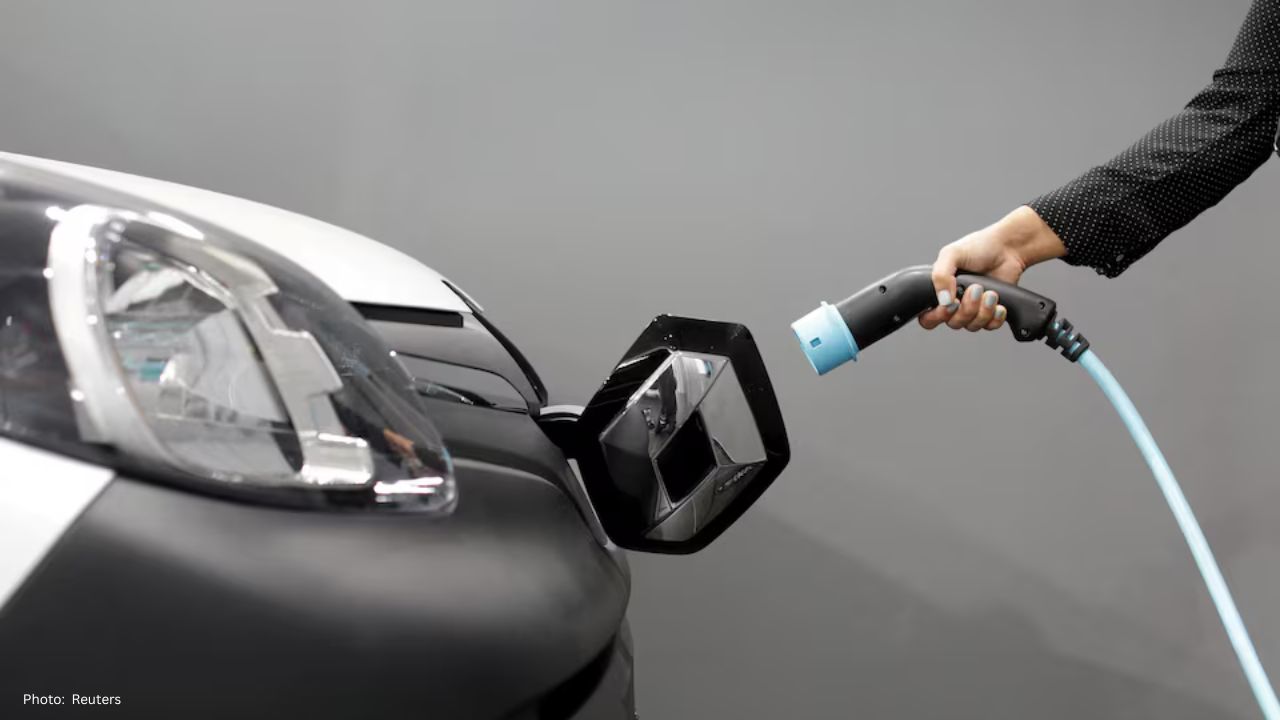
Europe has revised its ambitious timeline to halt sales of petrol and diesel vehicles by 2035, but the road to electric mobility is still lengthy. Analysts emphasize that despite this policy adjustment, electric vehicles will form the core of Europe’s automotive future.
The European Commission has recently revealed plans to revise the strict regulations that mandated all new cars be fully electric by 2035. This shift comes in response to concerns from European automakers, who advocate for additional time to adapt amid fierce competition from China and increasing production costs.
Under this revised plan, hybrid vehicles, plug-in hybrids, and certain traditional engine models will still be permissible post-2035. Furthermore, Brussels has introduced a new category of compact electric vehicles, providing added incentives for those manufactured within Europe. Experts believe this flexibility could empower European manufacturers in their strategic decisions.
Many specialists argue that this adjustment could bolster Europe’s automotive sector as it navigates a challenging environment. By easing the urgency of the transition, automakers can focus on making electric models more economical and appealing to consumers. Analysts are hopeful this will enable European brands to bridge the gap with their Chinese counterparts, who have already disrupted the market with budget-friendly electric options.
Prestigious brands like Mercedes and BMW stand to benefit from the extension, allowing them to market plug-in hybrids for a longer duration. Conversely, companies such as Renault and Stellantis, which cater to the small car segment for urban areas, may gain from the incentives for compact electric models targeted at city dwellers.
In stark contrast, the United States has taken a backward step under President Donald Trump, reducing federal backing for electric vehicles. While the US reconsiders its strategies, Europe continues to advance, albeit at a more tempered rhythm.
Chinese competition persists as a formidable hurdle. Despite the EU implementing tariffs on Chinese electric imports last year, numerous Chinese brands are proliferating in Europe by pivoting to hybrids or petrol models, particularly in regions with limited electric vehicle sales.
Electric car sales across Europe are on the rise. Fully electric vehicles have seen incredible annual growth this year and now represent a significant portion of new sales. However, the progress is inconsistent, with southern and eastern parts lagging due to limited charging infrastructure.
The shift in policy has raised alarms for companies that poured investments into electric-only strategies after EU regulations were introduced in 2023. Nevertheless, others view this as a beneficial change. The added flexibility could foster collaboration among manufacturers to develop economical electric platforms and share technologies, thereby reducing overhead costs.
A gradual approach to full electrification might also afford governments greater time to enhance charging networks, addressing a primary hurdle for potential electric vehicle buyers.
Although the EU has revised its timeline, the ultimate goal remains intact. Electric vehicles may take a bit longer to fully integrate into the market, but their role in shaping Europe's automotive industry is undeniable.