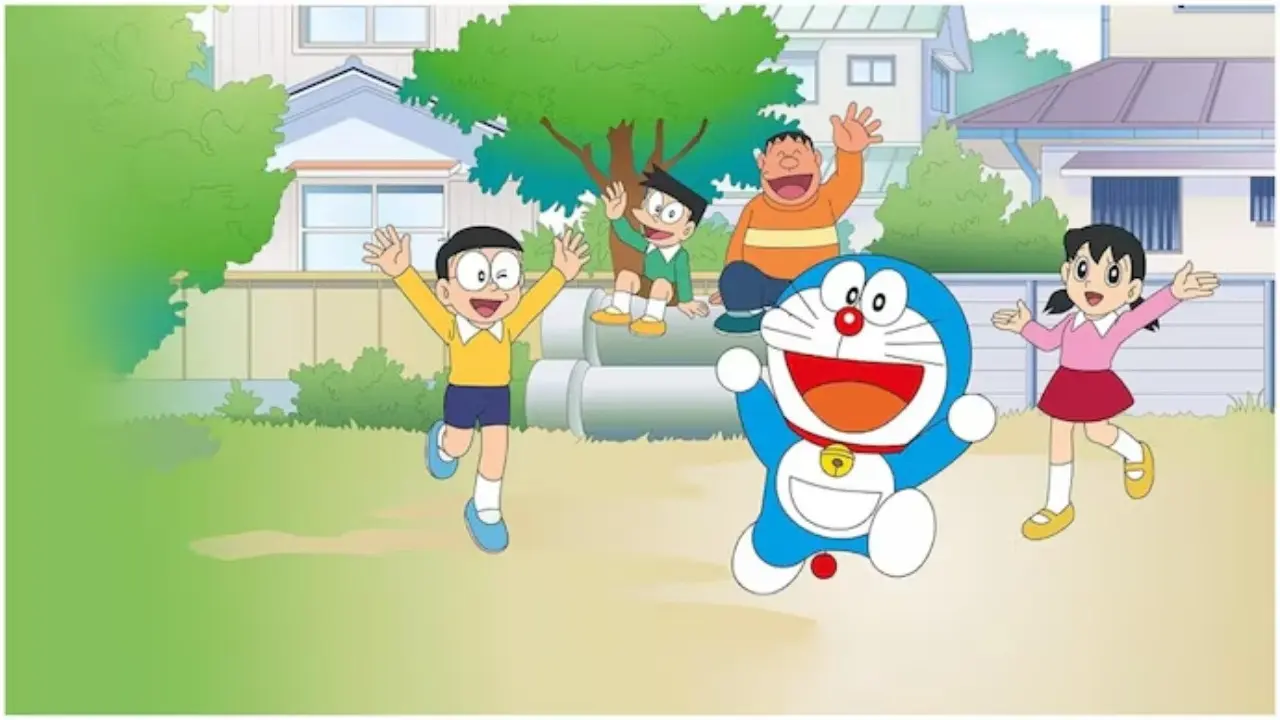
A Cherished Companion Says Farewell
For generations of Indonesians, Doraemon was not merely a character on a screen, but a beloved companion who brightened childhoods with his cheerful presence. After 35 years gracing Indonesian television, this blue robot cat is saying goodbye, leaving a profound sense of nostalgia and reflection in his wake. The disappearance shocks many who had grown used to his weekly adventures, marking the end of a chapter in family life.
Fans expressed their sorrow, gratitude, and disbelief through social media, illustrating that Doraemon's exit signifies much more than just a programming change; it marks the conclusion of an era that has significantly influenced Indonesian pop culture.
Doraemon's Journey in Indonesia
The Beginning of His Legacy
Doraemon first captured the hearts of Indonesian audiences in the late 20th century, coinciding with the rise of Japanese anime in Southeast Asia. The series quickly became a weekend staple, resonating with audiences through themes of school life, family, and friendship, fostering a connection across cultural boundaries.
A Tradition Enveloping Generations
The show's unwaveringly consistent scheduling ensured that it became a traditional fixture in countless households. As children who watched Doraemon in the '90s grew up, many introduced the same episodes to their kids, creating a rare continuity in viewing habits, solidifying Doraemon's status as part of family tradition.
Why Doraemon Touches Hearts
Simplistic Yet Profound Storytelling
At its core, the allure of Doraemon stemmed from its straightforward yet impactful storytelling. Each episode’s familiar dilemmas and solutions struck a chord, capturing the serious and relatable childhood experiences of insecurities and friendships.
Universal Themes Resonate
Despite its Japanese roots, the series' themes of friendship, honesty, and perseverance resonated deeply with Indonesian audiences, making Doraemon feel like a part of everyday life, promoting emotional connections that transcended cultural barriers.
Doraemon as a Family Tradition
Uniting Families Through Shared Moments
Doraemon has been a central piece in countless family routines, encouraging families to gather around the television. As children eagerly awaited their favorite episodes, parents often shared in those moments, reminiscing about their own youthful antics.
A Mark on Growing Up
For many, watching Doraemon was tied to significant life events like holidays, weekends, and other milestones in their journey, marking the swift passage of time as viewers evolved.
The Quiet Conclusion of an Era
How Viewers Discovered the Absence
The realization of Doraemon’s absence was gradual, surfacing without any formal announcement or farewell episode, intensifying viewers' emotional responses and forcing them to confront the silence left behind.
Why the Goodbye Feels Swift
After a remarkable 35-year journey, Doraemon's sudden removal seemed abrupt with many feeling he deserved a more significant farewell, highlighting his cultural importance.
Fans Share Their Fond Memories
Messages of Gratitude and Nostalgia
With the news spreading rapidly, social media saw an influx of reactions, with viewers sharing nostalgic photos and heartfelt messages reflecting on the joy Doraemon brought to their lives.
Connecting Through Shared Experience
The collective memory of watching Doraemon helped forge connections among fans online, creating a community united by shared experiences.
Doraemon's Role in Indonesian Culture
Names Famously Embedded in Everyday Life
Characters such as Nobita and Suneo have transcended the screen, becoming synonymous with specific cultural archetypes, often referenced in jokes and conversations.
Fostering Creativity and Exploration
Doraemon's innovative gadgets inspired curiosity and imaginative thinking in children, encouraging a sense of creativity that has made a lasting impression.
Localization: Achieving Cultural Relevance
Connecting with Local Audiences
Through careful localization of dialogue, Doraemon quickly became embedded in the local culture, ensuring that viewers felt a personal connection to the characters.
A Message for All Ages
With its simple yet impactful language, Doraemon managed to captivate audiences of all ages, allowing the show to resonate widely.
Navigating Changing Media Trends
From Traditional TV to Digital Streaming
Doraemon's exit from mainstay television reflects a significant shift in media consumption habits, where digital platforms now dominate viewing preferences.
A Balancing Act of Connection
While modern platforms offer convenience, the emotional bond associated with traditional television viewing is irreplaceable.
The Significance of this Farewell
Beyond Just Entertainment
Doraemon often served as a source of comfort and joy, providing gentle life lessons that many would hope to carry into adulthood, making its departure feel deeply personal.
A Reflection on Life's Passage
The end of this beloved series signifies not only a shift in entertainment but also serves as a poignant reminder of how quickly time passes and the importance of those formative moments.
Doraemon's Enduring Legacy
Stories Live On
Even with the end of its broadcast, Doraemon's stories thrive through memories and cultural references, holding a cherished space in Indonesian identity.
A Lasting Impression
Doraemon's legacy endures, having touched lives across generations, ensuring its essence remains alive in the hearts of its audience.
Conclusion: Farewell, but Never Forgotten
The conclusion of Doraemon's remarkable 35-year journey signifies a moment of nostalgia, gratitude, and reflection. While he may no longer appear on television, his spirit remains an indelible part of the lives he touched.
Doraemon transcended mere entertainment, embodying friendship, childhood, and timeless lessons. His departure teaches us that while series may end, memories persist forever.
Disclaimer
This article serves informational and editorial purposes only. Programming schedules may evolve based on licensing and distribution decisions.