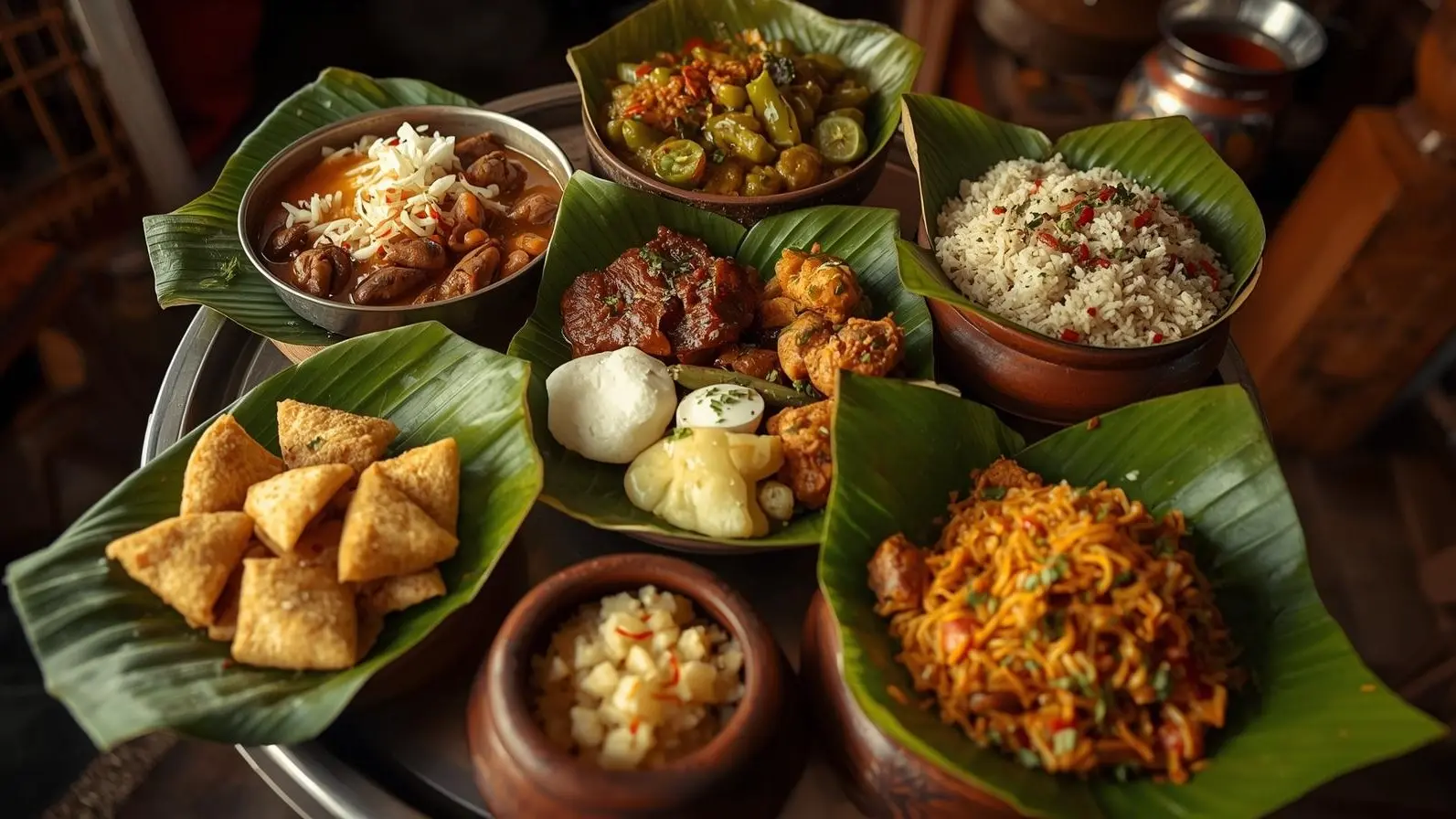
Exploring Kerala’s Culinary Heritage
Kerala’s gastronomy is closely tied to its rich geography and heritage. The state's coastal environment, fertile fields, and generous supply of spices and coconut influence its unique culinary style. Unlike the mainstream Indian restaurants known for their heavy flavours, traditional Kerala fare prioritizes fresh, local ingredients and slow cooking, achieving a harmonious simplicity. Food in Kerala often celebrates various cultural occasions and rituals, making it an integral part of the region's identity.
An Introduction to Kerala's Food Scene
Known as “God’s Own Country,” Kerala’s culinary landscape is as diverse as its breathtaking vistas. The food, a mix of vegetarian and non-vegetarian options, prominently features ingredients like rice, curry leaves, and a spectrum of spices. Every dish reflects the region's traditions and communal ties. This article highlights the top five traditional foods of Kerala and shares where to experience them like a local.
Sadya
Sadya is the crown jewel of Kerala vegetarian cuisine, symbolizing the state's culinary spirit. Typically lavishly served on banana leaves during festive occasions like Onam and weddings, it offers a cultural feast.
Why Sadya Stands Out
Sadya is more than a meal; it’s an artfully curated spread of diverse dishes presented in a customary order, often accompanied by rice, a variety of curries, chutneys, and desserts.
Essential Elements of a Classic Sadya
• Rice with parippu (lentil curry) and ghee
• Sambar featuring seasonal vegetables
• Avial, a mix of vegetables with coconut
• Thoran, a coconut-stir-fried vegetable dish
• Kaalan, pachadi, and kichadi
• Traditional snacks like banana chips and payasam for dessert
Where to Savor Sadya
This dish is best enjoyed in its traditional form, far from modern dining establishments.
• Festival dining at temples
• Local vegetarian establishments
• Homes renowned for Sadya during Onam
Recommended Locations
Thiruvananthapuram, Thrissur, and Ernakulam are prime spots for traditional Sadya experiences.
Appam with Stew
Often favored in Christian homes, appam and stew make for a delightful breakfast dish. The appam, a delicate, lace-like rice pancake, pairs exquisitely with a mildly spiced coconut stew.
The Allure Behind It
This dish strikes a delightful balance of lightness and fragrance. Variations include vegetable, chicken, or mutton stew, emphasizing whole spices over fiery masalas.
Characteristics of Authentic Appam
• Lightly fermented batter enhanced by coconut
• Soft center contrasted with crispy edges
• A subtly sweet and tangy taste
About the Stew
• Rich coconut milk base
• Infused with aromatic spices like cinnamon and curry leaves
• Avoids heavy spice powders
Where to Find Appam and Stew
• Local breakfast spots
• Authentic Christian homestays
• Neighborhood restaurants across central and southern Kerala
Best Regions for Appam
Kottayam, Ernakulam, and Alleppey are celebrated for their unique versions.
Kerala Fish Curry
This beloved dish, varying from coast to coast, often features fresh catch, coconut oil, and either tamarind or kudampuli.
Distinguishing Features
Unlike the creamy curries found in other locales, Kerala's fish curry offers a tangy and spicy explosion of flavors developed through slow cooking.
Key Ingredients Include
• Local fish varieties like sardine and seer
• Kudampuli or tamarind for acidity
• Shallots, ginger, and green peppers
• Coconut oil and fresh curry leaves
Where to Indulge in Fish Curry
• Coastal homestays
• Traditional toddy shops
• Family-run eateries near fishing ports
Regions to Explore
Kollam, Alappuzha, Kozhikode, and Kannur are well-known for their exclusive fish curry specialties.
Puttu with Kadala Curry
This widely adored breakfast dish features steamed cylindrical rice cakes known as puttu, coupled with kadala curry, made from black chickpeas in a coconut gravy.
What Makes It Special
The blend of simple ingredients with robust flavors renders this meal both satisfying and nutritious.
About Puttu
• Crafted from rice flour and coconut
• Steamed rather than fried
• Characteristically soft and crumbly
About Kadala Curry
• Exclusive use of black chickpeas
• Roasted coconut paste enriches flavor
• Mildly spicy and earthy
Where to Enjoy Puttu and Kadala Curry
• Tea shops and small breakfast venues
• Local residences during morning meals
• Budget-friendly eateries offering traditional fare
Best Areas for This Dish
While popular throughout Kerala, it’s particularly authentic in Malabar and central districts.
Malabar Biryani
This signature dish hails from Northern Kerala, distinguished by its short-grain rice and milder flavour compared to other Indian biryanis.
What Sets It Apart
• Incorporates kaima or jeerakasala rice
• Offers a less spicy yet fragrant profile
• Balanced spices and a touch of fried onions
Varieties of Malabar Biryani
• Chicken
• Mutton
• Fish
Where to Get Authentic Malabar Biryani
• Traditional Muslim kitchens
• Family-run restaurants across the northern region
• Food stalls near market areas
Spotlight Areas
Kozhikode, Malappuram, and Kannur are renowned for their exceptional biryani.
Importance of Eating Locally in Kerala
To truly enjoy Kerala’s delicacies, one must taste them in local spots famed for preserving age-old recipes. Unlike commercial restaurants, these venues draw on seasonal ingredients and traditions.
Advantages of Local Dining
• Genuine flavours
• Fresh seasonal products
• Cultural insights
• Reasonable prices
Best Times to Discover Kerala’s Culinary Delights
Culinary offerings change slightly with the seasons and festivities:
• Onam is the perfect occasion for Sadya
• Monsoon is ideal for fish curries
• Winter is perfect for comforting biryanis and breakfasts
Tips for Food Enthusiasts Visiting Kerala
• Seek out popular, clean local eateries
• Don’t hesitate to seek recommendations from locals
• Enjoy meals served on banana leaves
• Be aware of your spice limits
• Embrace local dining etiquette
Final Thoughts
The traditional cuisine of Kerala stands testament to its heritage, climate, and numerous histories. From ornate Sadya meals to comforting breakfasts like appam, each dish conveys a unique culinary narrative. Indulging in these delicacies locally allows visitors to connect with Kerala more meaningfully, delving into a rich tapestry of flavors deeply rooted in tradition. Unveiling the top five traditional dishes of Kerala is about much more than enjoying food; it’s about appreciating the very essence of the region.
Disclaimer
This article serves solely for informational purposes. Food availability, preparation methods, and dining venues may differ based on location and season. It is advisable for visitors to verify details locally and to account for individual dietary preferences and allergy considerations.