Over the last few years, filmmaker Aditya Dhar has carved a distinct space for himself as a storyteller who blends nationalism with slick, hard-edged cinema. After the success of Uri and Article 370, he raises the stakes with Dhurandhar, a film that stretches to 212 minutes and unfolds like a relentless character-driven study of enemies, ideology, and power.
Designed for audiences disillusioned with diplomatic optimism following events like the Kandahar hijack and the 2001 Parliament attack, the film feels like a cinematic salute to intelligence operations that function in the shadows. At its centre is Ajay Sanyal, played by R Madhavan, a senior intelligence strategist whose character closely mirrors real-life national security figures, despite the film’s fictional disclaimer.
The narrative traces Sanyal’s long wait for political backing strong enough to allow decisive action across the border. Once that support arrives, he initiates a high-risk mission aimed at dismantling terror networks operating out of Karachi’s volatile Lyari region. The plan involves infiltrating criminal gangs that allegedly function as extensions of hostile state machinery.
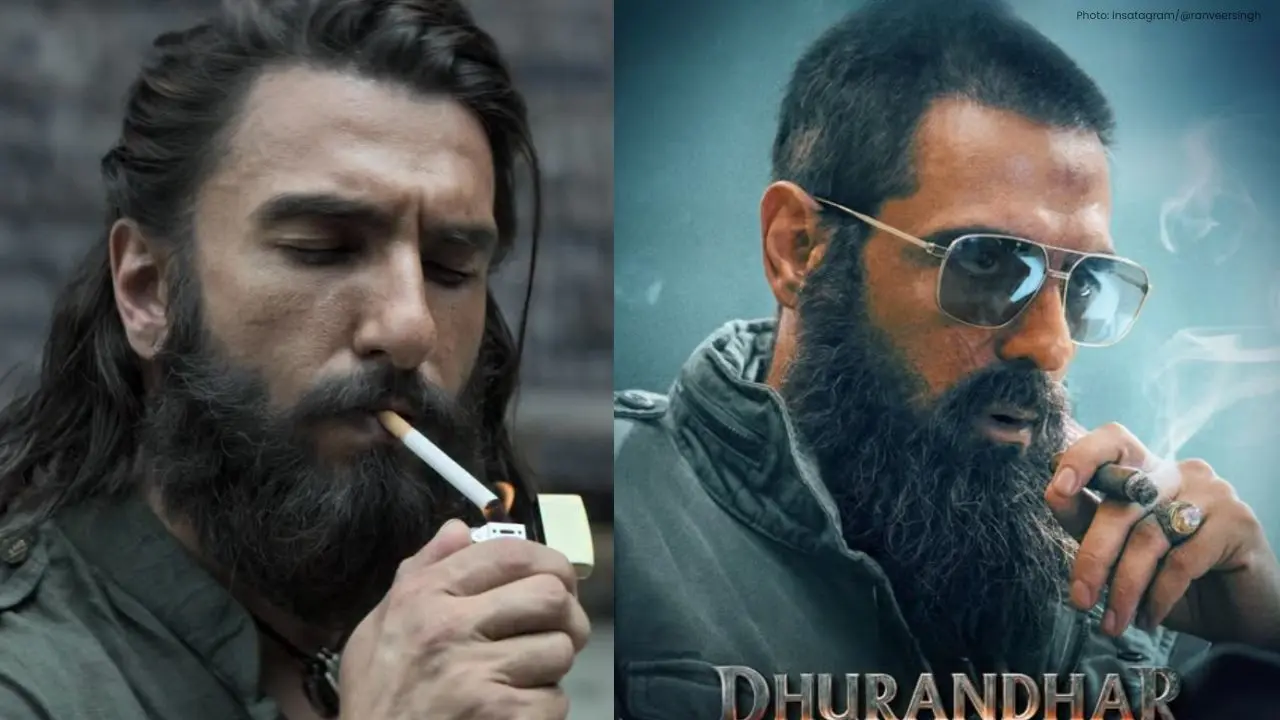
Ranveer Singh steps into the role of Hamza, a hardened undercover operative sent deep into enemy territory. With his intense gaze and imposing physicality, Hamza gains the trust of feared Baloch gangster Rehman Dakait, portrayed with chilling restraint by Akshaye Khanna. Rehman, in turn, operates under the influence of a manipulative politician, Jameel Jamali, played with surprising menace and versatility by Rakesh Bedi.
As Hamza fuels Rehman’s political ambitions and creates fractures within the power structure, the film explores betrayal, ambition, and moral compromise. Akshaye Khanna emerges as the film’s strongest force, delivering a performance that dominates the screen with quiet terror. Rakesh Bedi’s transformation from comic familiarity to political opportunist adds depth to the conflict.
The film’s atmosphere is elevated by Shashwat Sachdev’s pulsating background score and sharply written dialogues. Aditya Dhar also employs documentary-style footage and unfiltered violence to create a raw, unapologetic tone. The approach feels like a deliberate counterpoint to art-house crime dramas, presenting a worldview that is confrontational and ideologically firm.
However, Dhurandhar struggles under its own ambition. The film introduces several powerful characters, including Sanjay Dutt’s volatile police officer and Arjun Rampal’s calculating ISI official, but spends excessive time justifying their presence. These detours slow the narrative and keep Ranveer Singh’s character in the background for long stretches, dampening the momentum promised by the trailer.
While Ranveer’s intense performance fits the role, it eventually feels repetitive when placed alongside Akshaye Khanna’s commanding screen presence. The result is a film packed with firepower and intent, but weighed down by its length and narrative excess.
Despite its flaws, Dhurandhar remains gripping enough to keep audiences invested. Its political undertones, strong performances, and unapologetic stance ensure that viewers will be curious to see where the story goes next. If this is only the beginning of Operation Dhurandhar, the anticipation for its next chapter is already set.