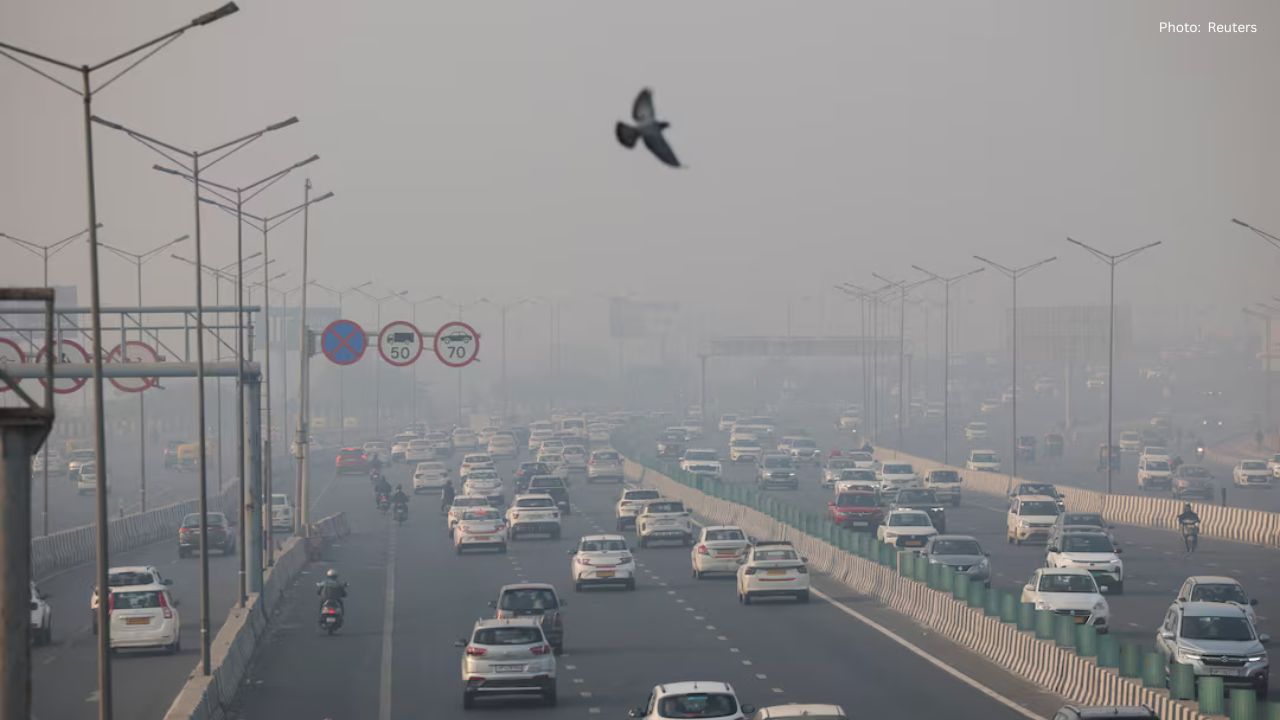
Delhi, recognized as one of the most polluted cities worldwide, is taking urgent action to address the alarming decline in air quality seen in recent days. On Wednesday, city authorities declared new restrictions targeting vehicles, work attendance, and construction to control pollution levels and safeguard public health.
The air quality index (AQI) in Delhi, with a population of 30 million, has remained in the 'severe' range, frequently exceeding 450. Dense fog fused with elevated pollution levels has severely impacted visibility, disrupting flight operations, train schedules, and daily commutes.
In light of this crisis, the Commission for Air Quality Management activated stage four of the Graded Response Action Plan, the highest alert level for Delhi and surrounding areas. This phase encompasses varied measures designed to curtail emissions and minimize outdoor pollution.
New regulations prohibit older diesel trucks that fail to comply with current emission guidelines from entering the city. Moreover, all construction activities, including public projects, are temporarily halted. Schools have shifted to hybrid learning, while both private and government offices will only accommodate 50% of their workforce, requiring the remaining employees to work remotely.
To assist daily-wage workers impacted by the project suspensions, the government has announced a compensation of 10,000 rupees ($110) per person.
“Our government is dedicated to ensuring clean air in Delhi. We are prepared to implement stringent measures in the coming days,” stated Manjinder Singh Sirsa, the Environment Minister of Delhi.
Winter pollution continues to plague Delhi and its neighboring areas. The cold, heavy air captures smoke from vehicles, construction activities, and agricultural burning from adjacent states, leading to dangerously high pollution levels. Experts caution that such pollution puts residents at significant risk for respiratory and cardiovascular ailments.
The government hopes these immediate actions will significantly reduce emissions and provide relief to residents, while also emphasizing the urgent need for sustainable solutions to address Delhi's ongoing air pollution challenges.