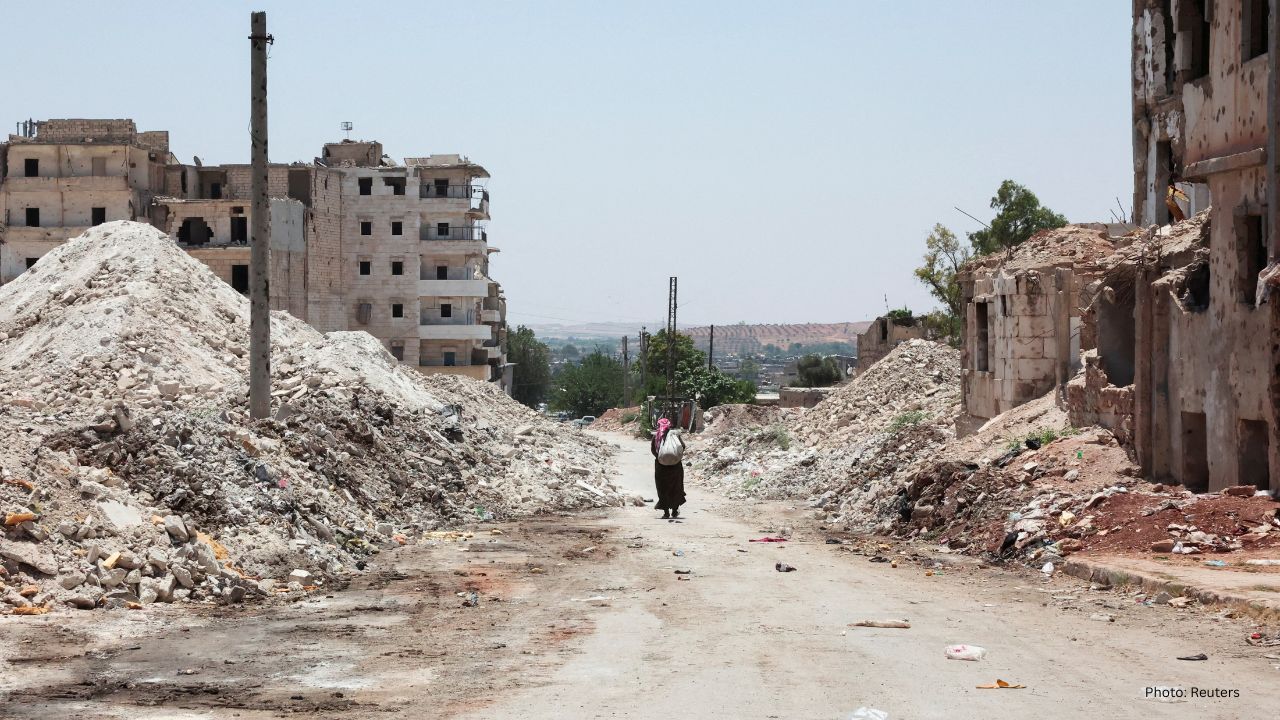
After the fall of Bashar al Assad a year ago, over three million Syrians have returned home, igniting hopes of reunions and rebuilding shattered lives. However, these aspirations face alarming threats.
The United Nations reports a steep drop in funding from global donors, jeopardizing the return of refugees. Families who have returned may have to leave again if living conditions remain poor.
As outlined by the UN refugee agency, around 1.2 million refugees returned from abroad, while nearly 1.9 million internally displaced individuals also went back home. Yet, over five million Syrian refugees remain outside the country, particularly in Lebanon, Jordan, and surrounding areas.
The crux of the issue is a lack of financial resources to support recovery efforts. This year’s humanitarian plan for Syria is only funded at 29%, leaving essential services like healthcare, water, electricity, and housing inadequate.
Hospitals highlight the gravity of this crisis. Approximately 50% of medical facilities are fully operational. Many are plagued by power outages, hindering essential services such as vaccine storage and emergency care. A shortage of medical staff and limited medicines exacerbate the situation for returning families, who encounter a strained healthcare system.
Furthermore, landmines and unexploded ordnance pose lethal threats. Areas remain littered with remnants from the conflict, leading to over 1,500 reported deaths and injuries in the past year. The efforts to clear these hazards remain critically underfunded at only 13%, complicating progress.
Warning signs from the UN refugee agency indicate that without increased support, families might re-disperse from Syria, intensifying the strain on neighboring nations already grappling with millions of refugees.
A concerning trend is the diminishing global attention on Syria, as many donors shift focus to emerging crises following the war’s official end. However, for everyday Syrians, the struggle continues with damaged homes, closed schools, and unsafe streets.
Some donors are also apprehensive about the new leadership under President Ahmed al Sharaa and whether it will facilitate genuine reforms. This hesitation results in delayed support, costing innocent lives precious time.
True peace extends far beyond the cessation of guns; it encompasses safe homes, fully functional hospitals, reliable water supply, and schools where children learn without fear. For refugees to resettle and remain, Syria requires genuine and sustained international assistance.
The global community cannot turn its back now. Syria's road to recovery remains delicate, and waning support could undo the last year’s progress.
The Syrian people are poised to rebuild, but the pressing question is whether the world is prepared to accompany them on this journey for the long haul.