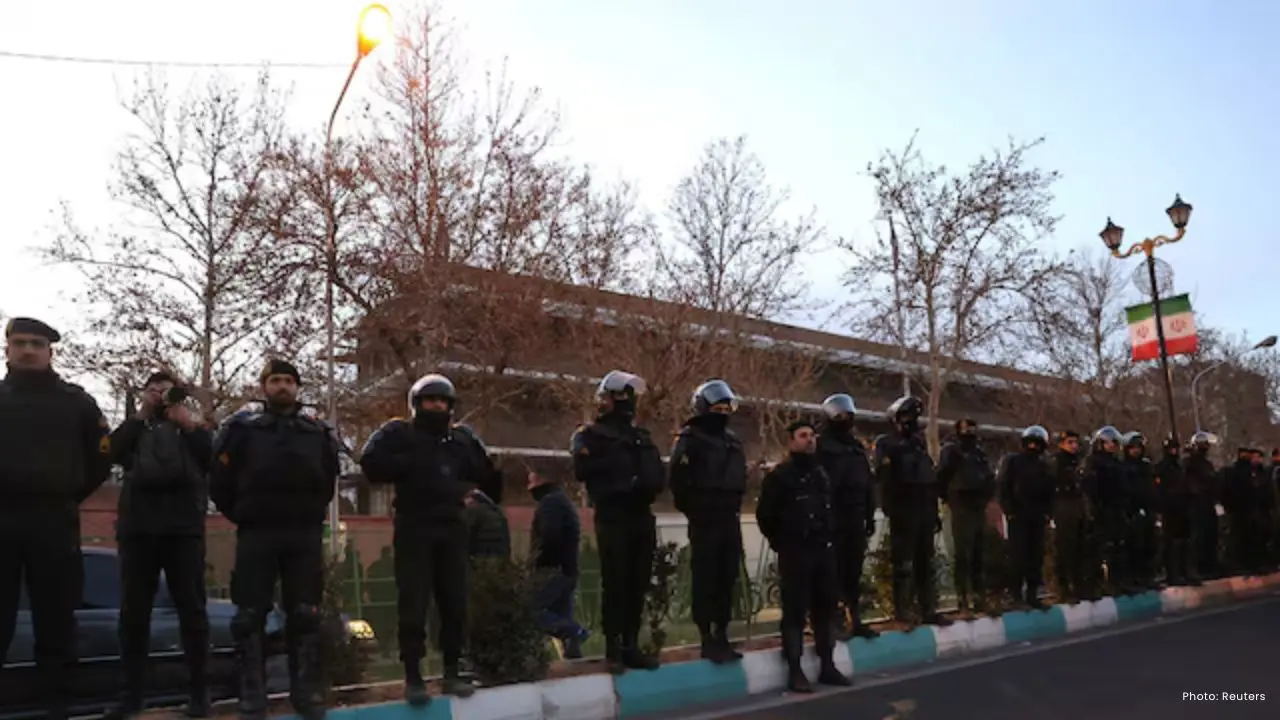
According to human rights activists, Iran has witnessed more than 3,000 fatalities during widespread protests. This unrest, ignited in late December, marks one of the bloodiest episodes of internal strife in the nation since the 1979 Islamic Revolution.
A rights organization based in the U.S. reported at least 3,090 deaths to date, including nearly 2,900 protesters. These figures have been corroborated through information gathered from families, local contacts, and online documentation. This increase in casualties coincides with aggressive measures taken by security forces to quell disturbances nationwide.
The protests originated on December 28, primarily sparked by soaring prices, joblessness, and severe economic distress. Over time, the sentiment shifted toward broader calls for political reform and an end to clerical governance. Tehran and other cities witnessed large-scale protests that frequently escalated into confrontations with law enforcement.
In recent days, a notable calm has descended over the capital, with residents reporting a lack of significant protests. Drones have been observed patrolling the skies, indicating persistent security measures. Similarly, other cities have reported diminished crowds, hinting at a temporary slowdown in protests due to the crackdown.
One of the authorities' most impactful strategies has been the imposition of an internet blackout. For nearly eight days, a near-total communication breakdown hampered the ability to relay information. Although internet monitoring organizations have noted a slight improvement, connectivity remains significantly limited. Some Iranians abroad managed to briefly reach out to relatives within the country.
The international spotlight has intensified as reports of violence have surged. U.S. President Donald Trump remarked that Iran's leadership had halted planned executions of protesters, yet Iranian officials have not substantiated claims of any executions being either planned or terminated. Human rights organizations persist in their warnings regarding the grave conditions facing many detainees.
Furthermore, foreign nationals in Iran are experiencing repercussions as well. Indian students and pilgrims returning home reported being mostly confined indoors and unable to connect with their families during the blackout. A medical student recounted witnessing fear and turmoil on the streets, including hostile encounters.
India's government confirmed that commercial flights continue to operate and emphasized efforts to ensure the safety of its citizens in Iran. Other nations are likewise keeping a close watch as apprehensions about human rights and regional stability mount.
Despite the apparent tranquility on the streets, activists alert that fear, arrests, and profound public discontent persist. The full repercussions of the protests may become evident in the coming weeks. For countless Iranians, the staggering toll of lives lost has etched enduring scars.