Cuba has delivered a robust response following U.S. President Donald Trump's claim that the island would no longer receive oil or financial assistance from Venezuela. Trump also proposed that Cuba negotiate with Washington, escalating the already tense relationship between the two longstanding adversaries.
In a social media announcement, Trump declared there would be “zero” oil or funds flowing to Cuba from Venezuela. He contended that Cuba had long relied on assistance from Caracas and urged the island's leadership to establish a deal with the United States before it became “too late.” However, Trump did not specify the nature of the deal on offer.
Cuba's leadership swiftly dismissed Trump's remarks. President Miguel Díaz-Canel asserted that the United States has no authority to pressure Cuba or dictate its actions. He emphasized Cuba's status as an independent and sovereign nation, accusing Washington of persistently assaulting the island through sanctions and political coercion for over six decades. Díaz-Canel affirmed that Cuba would defend itself under any circumstances.
Venezuela has historically been Cuba's primary oil provider, delivering approximately 26,500 barrels of crude and fuel daily last year, which met around half of Cuba's oil requirements. However, data indicates that no Venezuelan oil shipments have departed for Cuba since early January, following U.S. forces' actions against Venezuelan President Nicolás Maduro and the establishment of a stringent oil embargo on the nation.
Simultaneously, the U.S. and Venezuela are reportedly nearing a significant oil agreement, allowing for up to 50 million barrels of Venezuelan oil to be exported to the U.S., with funds held in American-controlled accounts. This represents a substantial shift in U.S.-Venezuelan relations and amplifies the pressure on Cuba, which has heavily depended on Venezuela for energy supplies.
Cuban Foreign Minister Bruno Rodríguez insisted that Cuba is entitled to purchase fuel from any willing seller. He refuted allegations of Cuba receiving funds or other advantages in return for security services provided to other nations. Cuba has not disclosed details of its security collaboration with Venezuela, although it confirmed that Cuban personnel were killed during a recent U.S. operation there.
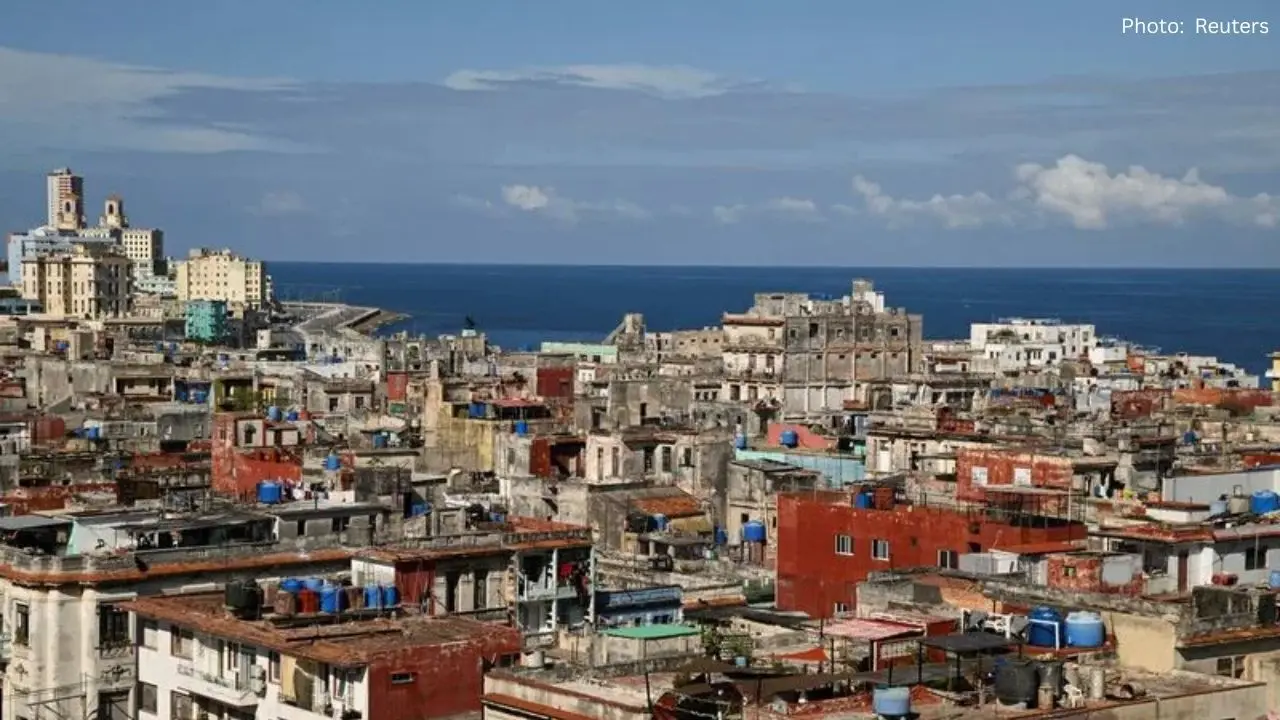
Life on the island has become increasingly challenging. Cuba relies significantly on imported fuel for electricity generation and transportation. With dwindling oil supplies, blackouts have become frequent nationwide. Many residents endure hours without electricity daily. Decreasing availability of food, fuel, and medical supplies has heightened public dissatisfaction, prompting many Cubans to seek opportunities abroad in recent years.
Mexico has stepped in as a modest but crucial alternative oil supplier recently. Mexican President Claudia Sheinbaum stated that while shipments from Mexico have not increased, the shifting conditions in Venezuela have rendered Mexico an essential fuel source for Cuba. Still, the available supply is limited and cannot fully substitute Venezuelan oil.
U.S. intelligence assessments indicate that Cuba’s economy is under profound strain, particularly in agriculture and tourism. Although the loss of Venezuelan oil could complicate governance, these evaluations do not entirely corroborate Trump's assertions of Cuba nearing collapse.
Responses among Cubans vary. Some express willingness to endure additional hardships, while others insist that the country urgently needs reform. Many cite daily challenges, including extended power outages and barren store shelves, as indications that the present circumstances are unsustainable.
Editorially, Trump’s statements mark a pronounced escalation in U.S. policy towards Cuba. Although increased pressure might amplify economic burdens, history suggests that threats alone seldom foster enduring solutions. The situation underscores the necessity for dialogue and pragmatic policy decisions rather than combative approaches.
As Cuba confronts escalating difficulties, the next few months appear pivotal. How Havana manages diminished oil resources and intensifying pressure from the U.S. will influence the island’s trajectory and the regional balance of power.