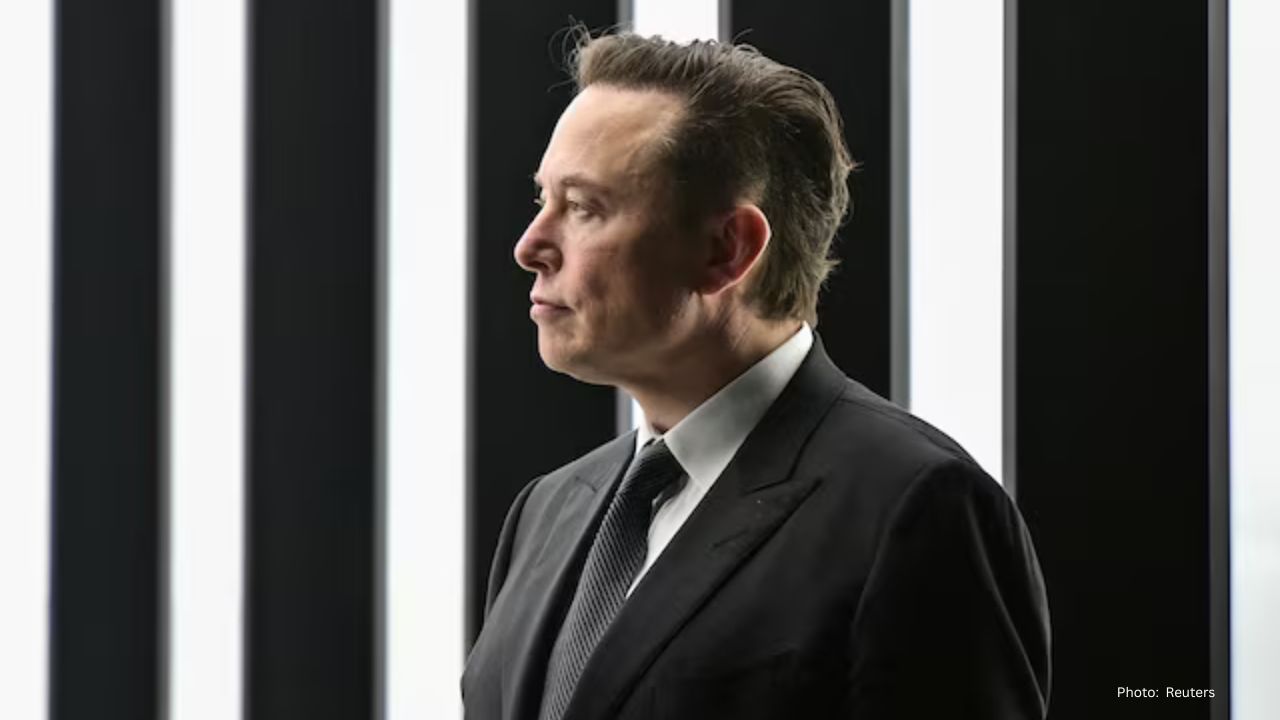
A significant court ruling in Delaware has reinstated Elon Musk’s pay package from 2018 with Tesla, now worth approximately $139 billion following the surge in the company’s share value. This decision by the Delaware Supreme Court reverses an earlier verdict that had annulled this historic compensation.
The ruling concludes two years of legal disputes surrounding one of the most substantial executive pay deals in corporate history, thereby solidifying Musk’s control and authority at Tesla, the electric vehicle firm he heads.
Understanding the 2018 Pay Arrangement
In 2018, Tesla’s board greenlit a performance-oriented compensation scheme for Musk. Under this arrangement, Musk would earn stock options only if Tesla achieved specific metrics related to its market valuation, revenue, and profits. The plan was initially valued at around $56 billion, which was already deemed immense.
Tesla subsequently met those benchmarks, leading to the package's value increasing as its stock price surged. Musk did not collect a salary or cash bonuses; his earnings hinged solely on Tesla’s performance.
Reason for Prior Cancellation
A lower court in 2024 annulled the compensation deal following a lawsuit from a minor shareholder. The presiding judge stated that Tesla’s board was excessively intertwined with Musk and had failed to adequately inform shareholders prior to approving the deal. The court criticized the package as being excessive and ordered it to be revoked.
This decision incensed Musk, who publicly denounced Delaware’s judiciary, claiming it was biased against business leaders, and warned that such judgments might prompt companies to relocate from Delaware, a state known for its corporate-friendly regulations.
Supreme Court Overturns the Cancellation
On Friday, the Delaware Supreme Court overturned this previous ruling. The judges concluded that nullifying the entire pay arrangement was unjust and left Musk uncompensated for his leadership over the years.
They noted that shareholders had approved the original deal, and dismantling it entirely was unwarranted. As a result, Musk’s 2018 compensation package is reestablished and currently valued at about $139 billion based on Tesla’s stock performance.
Musk expressed a feeling of “vindication” following the ruling.
Implications for Musk and Tesla
If Musk exploits all the stock options from the reinstated package, his stake in Tesla may increase from approximately 12.4% to 18.1%, significantly boosting his voting rights and influence over the company’s strategic path.
Tesla stock experienced a slight uptick in the aftermath of the ruling, indicating that investors were largely unfazed by the outcome. Analysts suggest that Musk prioritizes control of Tesla even more than financial gain.
Recently, Tesla shareholders also approved a new compensation plan that could yield up to $878 billion if the company meets ambitious future goals. This fresh initiative is structured independently to mitigate legal risks.
Wider Implications on Executive Compensation
This case reignites discussions surrounding executive compensation, corporate governance, and the judiciary's role. Advocates of the ruling argue that shareholders should hold the ultimate authority over pay decisions, while opponents emphasize the need for boards to be accountable regarding excessive pay packages.
The ruling may also impact Delaware’s standing as a corporate haven. Although some firms are shifting their legal bases to states like Texas or Nevada, Delaware continues to be the preferred domicile for public companies in the U.S.
At present, this ruling signifies a critical legal victory for Elon Musk and marks a pivotal moment in one of the most scrutinized corporate pay conflicts in history.