In the consumer goods sector worldwide, companies are rapidly rotating chief executives as boards push for swift growth and enhanced performance metrics. Many organizations are convinced that fresh leadership is essential to tackle sluggish sales, escalating costs, and evolving purchasing patterns, particularly among younger demographics.
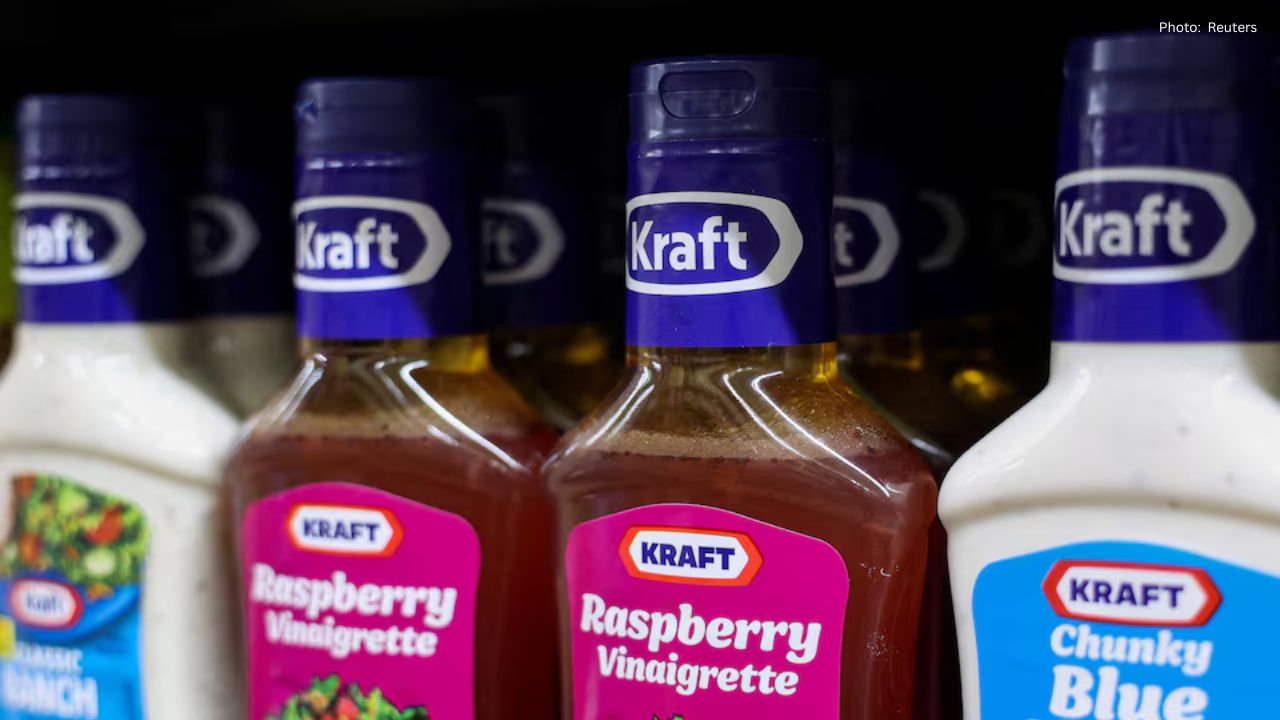
Recent announcements from major brands highlight this trend, with Kraft Heinz appointing industry veteran Steve Cahillane as its new CEO. This follows recent leadership changes at Coca Cola and the sportswear brand Lululemon. Additionally, global giants like Unilever and Nestle have also restructured their leadership teams this year.
Experts observe that company boards are demonstrating markedly less patience with their executives. They demand swift outcomes and strategic blueprints to manage sluggish demand, intense competition, and global economic uncertainties. Challenges abound in the consumer goods industry as soaring inflation and trade tariffs complicate cost structures and consumer spending capabilities.
Statistics from executive recruitment agencies indicate a persistently high rate of CEO turnover globally. Many executives are now given just two to three years to achieve their objectives. Boards respond rapidly when targets fall short, reflecting the pressures from shareholders seeking robust stock prices and stable returns.
Economic indicators are also driving these leadership shifts. Increased US tariffs, problems within supply chains, and shipping delays have compelled firms to reconsider their pricing strategies and sourcing methods. Companies are striving to manage rising costs while keeping products affordable for consumers.
Connecting with younger shoppers poses yet another significant challenge. Millennials and Gen Z are particularly cost-conscious and influenced by social media trends. Brands that fail to maintain their relevance risk losing out to more stylish and innovative competitors. Boards increasingly seek CEOs adept in digital marketing, innovation, and rapidly shifting consumer preferences.
Some of the leadership exits can be traced back to specific company challenges, such as poor stock performance or internal conflicts. In contrast, some CEOs are ousted simply due to a lack of swift progress. Analysts point to the rarity of prolonged CEO tenures as firms pursue quicker results.
Consumer goods stocks have been underperforming compared to broader market indices this year, further heightening the pressure on management teams. Investors now demand explicit strategies, expedited execution, and tangible improvements.
As markets remain volatile and consumer habits continue to evolve, the trend of frequent CEO changes may persist. Although new leadership can infuse fresh strategies, experts caution that continued turnover might hinder long-term planning. Nevertheless, speed and results are becoming paramount for many boards, outweighing stability.