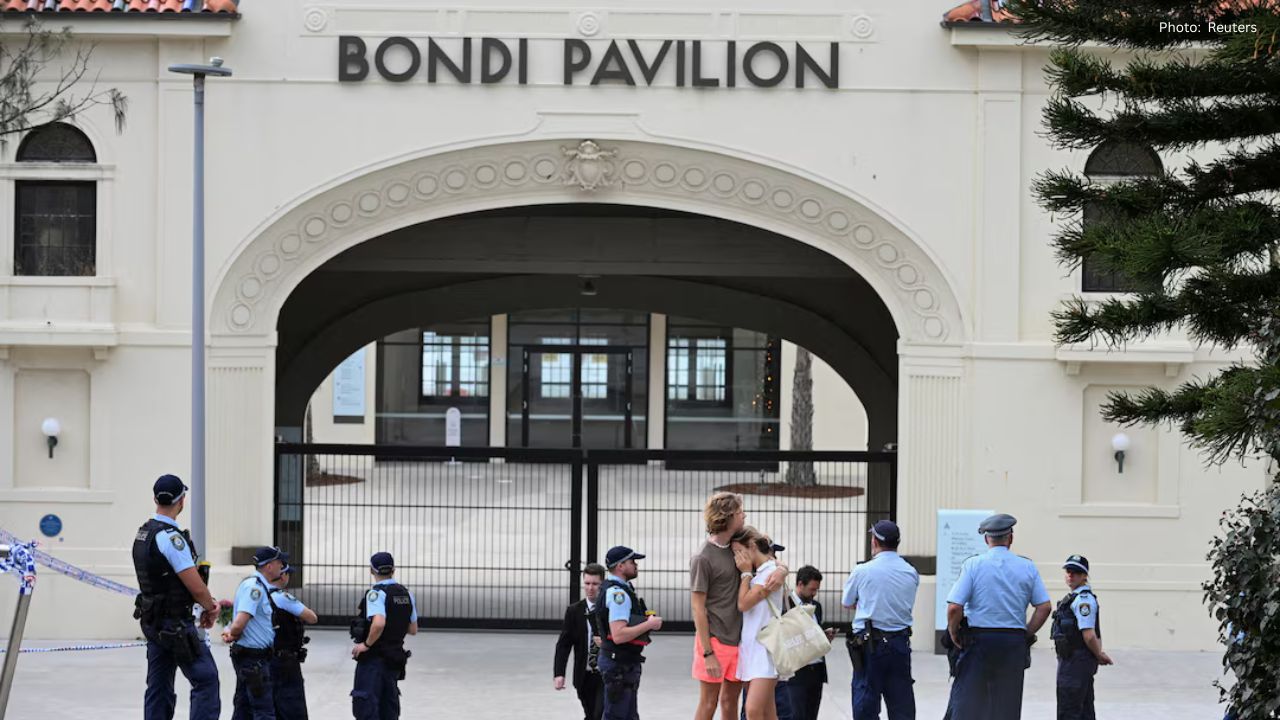
Australia has long been regarded for its stringent gun regulations established after the tragic Port Arthur mass shooting in 1996. These laws mandated thorough licensing, background checks, and registration for each firearm, effectively keeping gun-related fatalities impressively low for years.
Yet, experts suggest that recent modifications at the state level, combined with outdated protocols and weak screening processes, may have facilitated the suspects' access to firearms in the Bondi Beach shooting, which left fifteen individuals dead and sent shockwaves across the nation.
Reports indicate that the older assailant, Sajid Akram, aged fifty, obtained his gun license legally in 2023 and possessed six firearms. Both he and his son reportedly used these weapons in the attack. In a notable change back in 2008, New South Wales removed the 28-day waiting period for licensed gun owners seeking to acquire additional firearms. Experts assert that this has diminished the scrutiny surrounding the quick acquisition of multiple guns.
Gun control advocate Rebecca Peters pointed out that had a waiting period been in effect, Akram would not have been able to gather those firearms so swiftly. She proposes the reinstatement of such a period along with imposing ownership limits to help reduce the number of weapons circulating in the community, thereby enhancing public safety.
Currently, Australia boasts nearly a million licensed gun owners and over four million legally owned firearms. The appetite for stricter regulations remains robust, with approximately two-thirds of Australians advocating for tighter laws. Despite this, loopholes persist, such as non-citizens being able to obtain firearm licenses, as seen in Akram’s case.
The pathways to obtaining a gun license can often involve joining shooting or hunting clubs, many of which require minimal participation and lack a verified physical location, as per an analysis of New South Wales gun clubs. Experts argue this facilitates access for individuals without genuine intentions for responsible use.
Moreover, existing background checks are limited. While applicants must declare any criminal history or mental health concerns, there’s no automatic scrutiny of social media or other potential risk indicators. Public health expert Simon Chapman has stated that some individuals take advantage of these loopholes to legally acquire firearms even when they pose a threat.
Even connections to extremist groups do not necessarily bar individuals from obtaining a license. The surviving suspect from the Bondi incident was linked to a group thought to have ties with Islamic State, yet still managed to secure licensing.
Experts and advocates stress that immediate reforms are imperative. They argue that the real issue lies not in the existence of gun clubs or licenses but rather in the gaps in supervision, background checks, and enforcement. Tom Kenyon, CEO of the Sporting Shooters Association of Australia, asserts that improved information sharing and regulatory oversight could potentially have averted the tragedy.
The Bondi attack has reignited the national discourse surrounding Australia’s gun laws. Many assert that enhanced supervision, restrictions on ownership, the reinstatement of waiting periods, and tougher checks for non-citizens are essential to safeguard the public and avert future incidents.