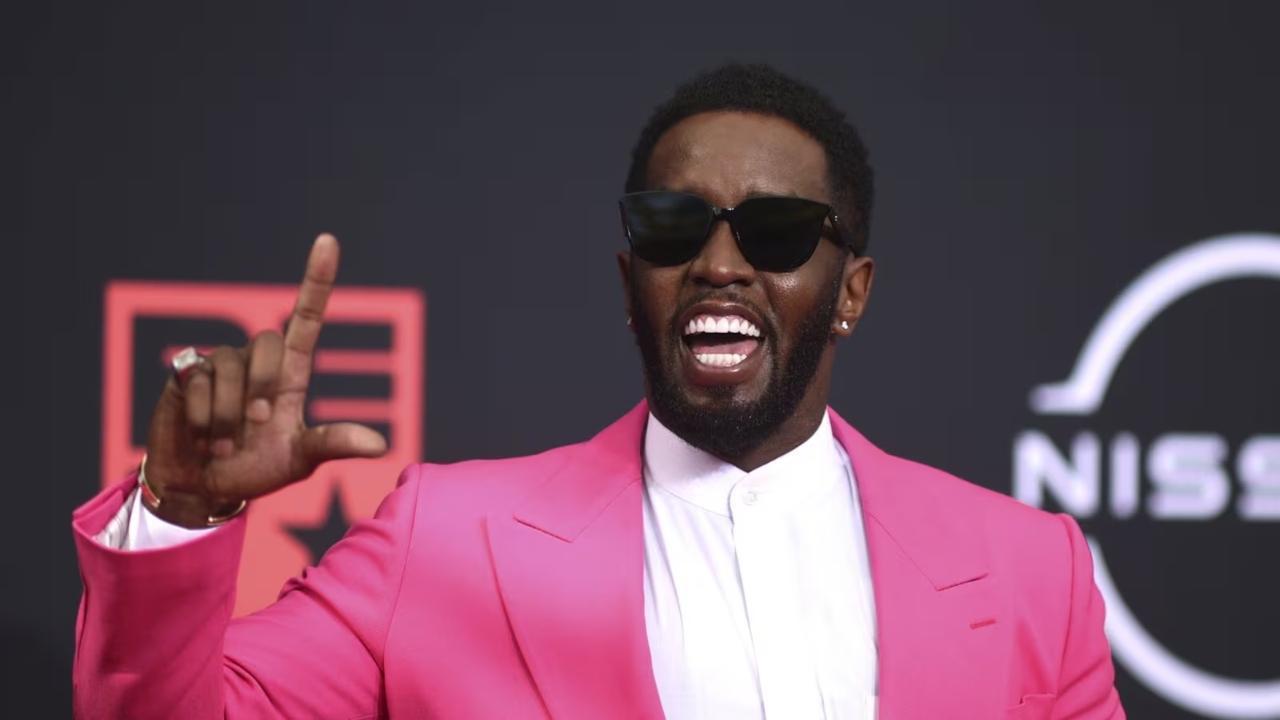
Photo : AP
Sean “Diddy” Combs: A Music Mogul at a Legal Crossroads
Sean “Diddy” Combs, once hailed as one of the most influential figures in modern hip-hop and pop culture, now faces a defining moment in his career and legacy. The sentencing for his federal conviction on two counts of transportation for prostitution is set for October 3, 2025. This follows a dramatic and high-profile trial that lasted over two months and involved explosive testimony, widespread media coverage, and polarizing public reaction.
Although Combs was acquitted of the more serious charges—including sex trafficking and racketeering—the split verdict has far-reaching consequences for his freedom, reputation, and standing in the entertainment industry.
Trial Overview: From Accusations to Convictions
The trial, which began in May 2025, spanned over eight weeks in federal court. Prosecutors alleged that Combs used his wealth, power, and influence to transport young women and men across state lines for sexual exploitation. While jurors were not convinced by the prosecution’s trafficking or racketeering charges, they unanimously found him guilty of facilitating travel for prostitution-related activity—a federal felony.
The charges were backed by 34 witnesses, including former romantic partners, former staff, and a handful of industry insiders. The government claimed that Combs funded drug-fueled sex parties—referred to in court as “freak-offs”—and used luxury hotels and private jets to bring victims to those events.
Sentencing Dynamics: What Combs Is Facing
Combs was convicted of two federal counts, each carrying a maximum sentence of 10 years. The sentencing guidelines for these types of charges generally range between 21 and 63 months, depending on aggravating or mitigating circumstances. Prosecutors are pushing for the higher end—up to five years—citing:
-
His history of violence and control over romantic partners
-
Prior settlements for alleged abuse, including a well-known civil case with singer Cassie Ventura
-
Patterned behavior that, while not criminally convicted, speaks to abuse of power
His defense team is advocating for time served—Combs has been in custody since September 2024—and requests a sentence on the lower end of the scale, arguing that:
-
He has no prior felony convictions
-
He was acquitted of the most serious charges
-
His prolonged pre-trial detention already served as punishment
Why October 3 Matters
The October 3 sentencing date gives the U.S. Probation Office additional time to complete its Pre-Sentencing Investigation Report (PSR), which will assess:
-
Combs’ personal and criminal history
-
Psychological evaluations
-
Interviews with victims, defense attorneys, and family members
-
Financial records
-
Risk assessment for recidivism
The judge, Hon. Arun Subramanian, will weigh this report heavily when issuing the sentence. Importantly, federal judges are not bound by the guidelines—they can impose harsher or more lenient sentences based on judicial discretion.
The Probation Office's Role in the Delay
Initially, Combs' legal team and prosecutors had agreed to a September 22 sentencing date. However, the U.S. Probation Office rejected this proposal, citing the complexity of the case and the need for more comprehensive risk and behavioral assessments. The delay underscores how seriously the court is taking the potential ramifications of its decision.
Combs’ Time in Custody and Bail Denial
Since his arrest last year, Combs has remained jailed in a federal detention center in Brooklyn. The court has repeatedly denied bail, referencing newly surfaced video footage and photographs that show Combs physically assaulting former partners—evidence not used to secure a conviction but considered during bail hearings.
This pre-trial detention will likely be credited toward any sentence he receives. Still, prosecutors argue that the behavior on display in those materials should be factored into the sentencing calculus as part of a pattern of abuse and coercion.
A Closer Look at the Charges and Acquittals
Although sex trafficking and racketeering were among the original charges, the jury found insufficient evidence for conviction on those counts. This has led to heated debate in legal and media circles over whether prosecutors overreached or whether the legal standard for trafficking—requiring coercion and continuous control—was too high to meet in this case.
Critics of the verdict argue that the structure of the “freak-off” events and the roles played by Combs' staff and associates closely resembled trafficking operations. Supporters of the verdict emphasize the importance of judicial restraint and evidence-based justice.
The Impact on the Entertainment Industry
Combs’ criminal conviction and pending sentencing have sent shockwaves through the music and entertainment industries. Once a celebrated producer, entrepreneur, and fashion icon, his name is now synonymous with controversy.
-
Record labels are distancing themselves from Bad Boy Records
-
Collaborators have removed credits and endorsements involving Combs
-
Streaming platforms have halted featured promotions for his catalog
-
Award shows have revoked nominations and honorary mentions
This case follows other high-profile legal falls from grace in the entertainment industry, contributing to a growing scrutiny of celebrity privilege, unchecked power, and legal accountability.
Public Reaction and Cultural Fallout
The response to Combs’ conviction has been polarized. On one side, advocacy groups for survivors of sexual abuse and trafficking have hailed the decision as a sign that fame no longer shields wrongdoers from justice. On the other, many in the hip-hop community have expressed skepticism, citing what they perceive as racial bias in high-profile prosecutions.
The “Free Puff” movement, referencing Combs’ nickname, has gained traction on social media among fans and some fellow artists. Yet, public opinion polls suggest that a majority of Americans support his conviction and expect a significant prison sentence.
The Role of the Cassie Ventura Lawsuit
Although settled confidentially in late 2023, the civil lawsuit filed by Cassie Ventura continues to cast a long shadow. Her accusations—which included physical abuse, forced sex acts, and psychological manipulation—were consistent with testimonies heard during the trial.
While the jury did not find Combs guilty of trafficking, Ventura’s allegations played a pivotal role in framing the prosecution's narrative. She was not called to testify but served as an emotional and cultural anchor for other victims’ voices.
Legal Precedent and Judicial Implications
This case could set precedents in several ways:
-
Transportation charges could be used more often in future prosecutions where trafficking is difficult to prove
-
Courts may increasingly consider non-convicted behavior during sentencing if presented in corroborated form
-
Federal pre-trial detention may be used more frequently in celebrity cases involving abuse or coercion claims
-
Public opinion and media coverage could influence court logistics, including delays, witness security, and sentencing timetables
Judge Subramanian's handling of this case is also being closely observed by legal scholars and criminal justice reformers.
Combs’ Remaining Legal Exposure
In addition to his sentencing, Combs still faces several civil lawsuits, including:
Some of these may evolve into class-action lawsuits if other victims come forward. Given the criminal conviction, his legal team will face an uphill battle in civil court, where the standard of proof is much lower.
Rehabilitation or Ruin: The Path Ahead for Diddy
With sentencing on the horizon, Combs’ future is uncertain. Some believe he could attempt a comeback post-incarceration, following a narrative of redemption and reflection. Others argue that the combination of legal disgrace, public outrage, and corporate abandonment will make any return to public life nearly impossible.
Much will depend on the tone and content of his statements at sentencing. Will he express genuine remorse? Will he maintain his innocence? Or will he position himself as a victim of systemic bias?
What October 3 Could Mean for Celebrity Accountability
In many ways, the October 3 sentencing could represent a broader turning point in how American courts handle powerful defendants. If Combs receives the maximum sentence, it may embolden prosecutors to pursue other high-profile figures. A lighter sentence, on the other hand, could ignite backlash from advocacy groups and victims’ rights organizations.
The eyes of the nation—and much of the entertainment world—will be on that courtroom when Judge Subramanian delivers his decision.
A Legacy Redefined
Sean “Diddy” Combs once stood as a mogul who shaped soundtracks, launched careers, and symbolized Black excellence and entrepreneurial grit. Now, his story is being rewritten in federal courtrooms and jail cells.
Whether his sentence lasts months or years, the impact of his conviction reverberates far beyond the courtroom. It challenges notions of power, tests legal institutions, and forces a reckoning on how we treat allegations of abuse from the world’s most privileged people.
October 3 may mark the end of one chapter, but the conversation around it—about justice, accountability, celebrity, and the power of survivors—will continue long after the gavel falls.