Understanding Winter's Skies
As winter sets in, the appearance of the sky can be quite unpredictable. Some mornings feel refreshing yet cloudy, while others bring a sharp scent in the air. On certain days, visibility may drop so drastically that buildings appear hidden behind grey curtains just a few meters away.
The terms mist, haze, and smog are often used interchangeably, but they are fundamentally different. Each phenomenon has a unique origin and impact, and understanding them is critical for personal safety.
Each chilly morning carries its own risks, yet they all provide identifiable cues.
Mist: The Gentle Illusion of Winter
What Is Mist?
Mist is simply ground-level fog.
It occurs when warm air interacts with cold conditions, causing moisture to condense and form tiny droplets that float close to the earth's surface, creating that soft white blanket observed on winter mornings.
Mist consists of water, not pollutants.
Thus, it's a weather phenomenon, not an air quality concern.
Impacts of Mist on Daily Life
While mist reduces visibility, it does not harm lungs or trigger significant health issues.
It simply blurs outlines and adds moisture to the air.
While it may prove challenging for drivers, and morning walkers might feel a damp chill on their clothes, the health risks associated with mist are minimal.
Mist does not irritate the eyes.
Mist does not hinder breathing.
Mist does not carry an odor.
It dissipates quickly after sunrise as warmth elevates moisture into the air.
When Mist Signals a Warning
Although mist alone poses little threat, when mixed with pollution, it becomes hazardous.
If the air carries a heavy scent, feels thick, or provokes coughing—it's more than just mist.
It's transformed into something more concerning.
Haze: The Underlying Pollutant
Understanding Haze
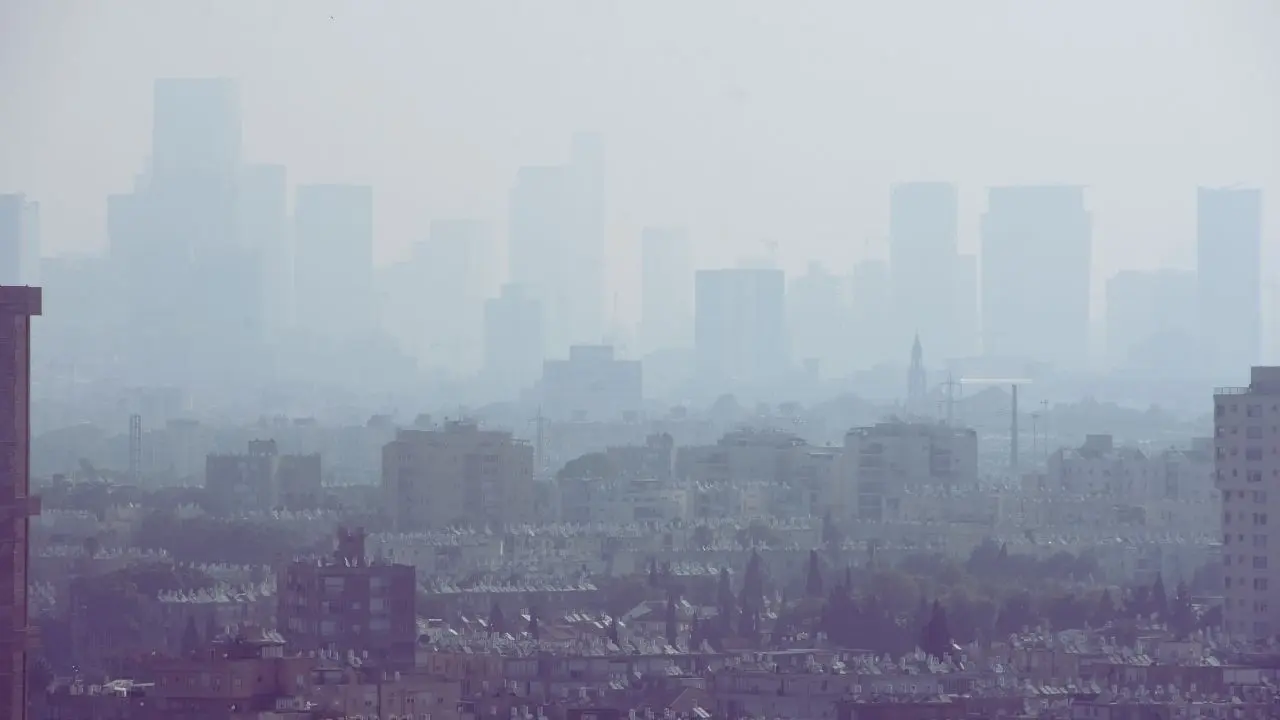
Haze results from tiny dust particles, smoke remnants, vehicle emissions, and industrial fumes suspended in the atmosphere.
Unlike mist, haze contains no moisture.
It's dry pollution hovering over urban and suburban areas.
Haze leads to a washed-out skyline, diminished visibility, and a dull yellow or gray hue.
Haze Intensification in Winter
In colder months, pollution gets trapped closer to the ground.
Factors include:
-
Reduced wind currents
-
Stagnant warm pollution
-
Cold air holding pollutant particles
-
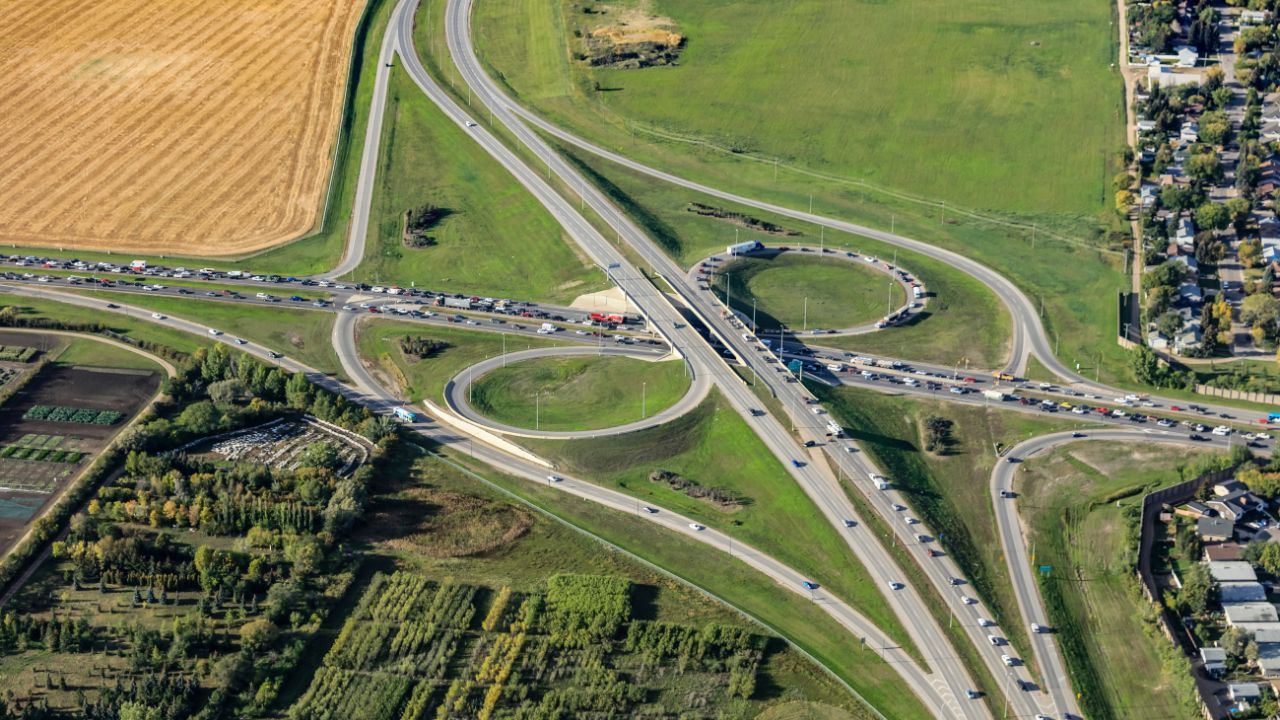
Increased vehicle emissions from congested traffic
-
Crop burning combines with fog
-
Construction dust remains airborne
Haze doesn’t rise.
It settles—into lungs.
Health Impacts of Haze
While haze may appear less severe than smog, it remains harmful.
Typical health effects include:
Individuals with allergies and asthma are particularly sensitive to haze, while others may experience gradual effects.
Identifying Haze
Look for:
-
Bluish-grey sky during the daytime
-
Lack of visible fog at ground level
-
Distant objects fading to grey
-
Pale sun instead of a vibrant orange
-
Chest discomfort post-activity
No water droplets will be found on surfaces during haze.
This is a key indicator.
Smog: The Winter Menace
Understanding Smog
Smog is not weather.
It is pollutants mixed with mist.
Elements include:
Visualize smog as pollution confined within moisture.
This is why it:
-
Has a sharp odor
-
Feels dense
-
Causes immediate discomfort
-
Persists longer
-
Can travel long distances
-
Refuses to dissipate swiftly
Smog does not float.
It presses down.
Hazards of Smog
Contained in smog are fine particulate matter that poses a significant threat.
These:
-
Deeper lung penetration
-
May enter bloodstream
-
Inflame nerves in the brain
-
Stress cardiovascular health
-
Weaken immune responses
-
Trigger asthma episodes
-
Aggravate persistent coughing and bronchitis
Smog silently infiltrates the body.
The damage may remain invisible.
However, the risks are tangible.
Smog and Winter Conditions
Smog flourishes under conditions where:
-
Cold air traps warm pollutants at the surface
-
Calm winds prevent smoke dispersion
-
Burning crops mix with fog
-
Visibility declines while pollution accumulates
Once smog forms, it doesn't lift easily.
Unlike mist, it won't vanish by mid-morning.
Immediate Signs of Smog
If you experience:
You are experiencing pollution, not just weather.
You are dealing with smog.
Why Confusion Arises
Confusion arises mainly because all three reductions in visibility can look similar.
However, the impacts vary widely.
| Weather Type |
Harm Level |
Substance |
Duration |
| Mist |
Minimal |
Water |
Brief |
| Haze |
Moderate |
Dust |
Days |
| Smog |
High |
Toxic Mix |
Weeks |
Mist evaporates with sunlight.
Haze lingers in the air.
Smog fights to stay entrenched.
Implications for Travel and Vehicles
Navigating Mist
Visibility may be compromised, but it can be navigated using fog lights and cautious speed.
When purely misty, road safety remains manageable.
Traveling Through Haze
Distances become distorted.
Vehicles may appear distant when they’re close.
Fatigue intensifies.
Reaction times decrease.
Driving in Smog
Danger multiplies exponentially.
Light scatters and headlights reflect oddly.
Judgment can falter.
Accidents increase significantly.
In smog, road conditions turn perilous.
Health Impacts from Weather Conditions
For Children
Smog and haze affect children more quickly.
They inhale more air per weight.
Breathing difficulties can rise.
Resistances weaken.
Common colds can become severe.
For Adults at Work
Fatigue can set in promptly.
Productivity may dwindle.
Eye strain may increase.
Mental sharpness may decline.
For Seniors and Patients
Cardiac stress increases.
Asthma issues may worsen.
Blood pressure may fluctuate.
Days with smog typically see a rise in hospital visits.
Adapting Precautions for Each Condition
Managing Mist
When Facing Haze
-
Minimize outdoor exercise
-
Wear a cloth mask as needed
-
Close windows during high pollution
-
Consume warm drinks
In Smoggy Conditions
-
Avoid outdoor activities
-
Use protective masks if necessary
-
Refrain from outdoor exercise
-
Keep entries sealed
-
Limit external air circulation
-
Shower after outdoor time
-
Hydrate consistently
-
Utilize indoor plants
-
Regularly keep track of lung health
Addressing smog requires lifestyle changes—not just endurance.
The Dangers of Indoor Pollution
Smog can easily infiltrate homes.
Once indoors, it:
-
Lingers in drapes
-
Settles in carpets
-
Adheres to furniture
-
Hides in corners
-
Resides in mattresses
Keeping homes sealed during smog isn’t paranoia.
It’s a safety precaution.
Why Children Should Stay Inside on Smoggy Days
Exposure during formative years can harm their lungs.
Chronic wheezing can begin.
Overall resistance weakens.
Parents should treat smog exposure seriously.
It’s not just an inconvenience; it’s a health risk.
The Importance of Quality Masks
Thin fabric merely stops dust.
Smog contains unseen micro-particles.
Superior masks filter hazardous particles.
But masks have limitations.
Exposure should still be minimized.
Long-Term Risks of Ignoring Smog
Smog is not a temporary issue.
Chronic exposure can lead to:
-
Cardiac conditions
-
Stroke
-
Pulmonary scars
-
Memory decline
-
Reduced oxygen levels
-
Chronic bronchial issues
These effects do not happen instantly.
They accumulate gradually.
Day after day.
Why Your Eyes Cannot Be the Only Guide
A clear sky can still harbor danger.
Pollution exists without visible fog.
Smog can be unseen.
Never assume safety based solely on sight.
Listen to your body:
Winter Pollution vs. Summer
Cold air traps contaminants.
Sunshine cannot disperse them.
Wind remains calm.
Urban areas become pollution bowls.
Smog settles and persists.
Why Weather Apps Can Mislead
Weather and air purity should not be conflated.
Thermal apps fail to measure pollution levels.
Air quality alerts should be checked separately.
Don’t rely on cloudiness alone.
Trust air quality data and physical symptoms.
Practical Tips for Battling Polluted Winters
Everyday Measures
-
Wet clean your floors
-
Wash your curtains
-
Avoid indoor incineration
-
Steer clear of indoor smoking
-
Minimize cooking fumes
-
Seal waste properly
-
Ventilate when safe
-
Monitor air quality consistently
-
Stay hydrated
Small actions can reduce long-standing harm.
Educating Youths about Pollution
Children need to understand:
-
Why the air can feel dense
-
The importance of staying indoors
-
How masks serve as protection
-
Why timing outdoor activities is crucial
Awareness prevents unconsciousness.
Final Thoughts: Not Every Grey Morning Tells the Same Tale
Mist dampens your garments.
Haze frustrates your plans.
Smog jeopardizes your well-being.
The sky dictates the day's narrative.
All that’s needed is interpretation.
Inhaling clean air is not mere fortune.
It stems from knowledge.
Observe the sky.
Inhale the air.
Tune in to your health.
Then step out judiciously.
Disclaimer:
This article serves informational purposes and does not substitute for medical or environmental recommendations. Those with respiratory conditions should heed advice from health professionals and local authorities during poor air quality episodes.